Most adults need 7 to 9 hours of sleep to allow the brain and body to recharge properly. But in today’s demanding modern life, we often ignore how that pressure manifests physically. You might notice that your shoulders feel like stones or that a nagging headache won’t quit, yet standard treatments only offer temporary relief.
One complementary approach gaining traction for muscle recovery is red light therapy, which uses low-level wavelengths of light to penetrate soft tissue and support the body’s natural cellular repair process. Like many gentle, non-invasive methods, it works with the body rather than against it. However, for tension that has become deeply embedded in the muscles and nervous system over time, a more targeted technique may be needed.
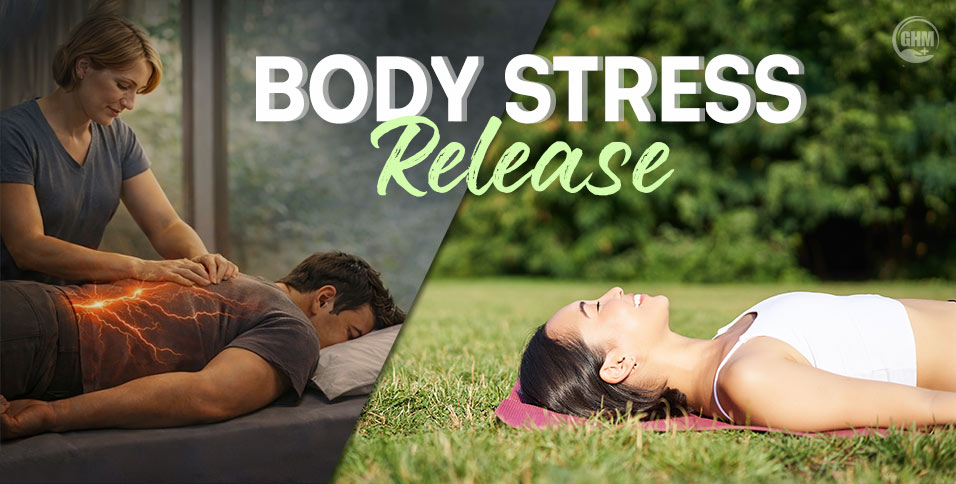
But there is a solution to that deep-seated tension. A simple pressure point technique could unlock years of physical strain! Body Stress Release is a gentle, non-invasive technique designed to help the body release accumulated tension and restore natural balance.
This article explores what Body Stress Release is, how it works, and its potential benefits for your health. Also, get to know specific exercises and natural stress relief techniques you can use to support your journey toward a pain-free life.
What Is Body Stress Release?
Body Stress Release is a gentle complementary healthcare technique that focuses on locating and releasing stored muscle tension caused by physical, emotional, or chemical stress.
Now practiced worldwide, the technique was developed in the 1980s in South Africa by husband-and-wife practitioners Gail Meggersee and Ewald Meggersee, who created the method after exploring ways to relieve chronic physical tension.
The need for the method arose due to the debilitating pain Ewald suffered from after he fell out of a tree at the age of five.
Key Concepts of BSR
- The body naturally adapts to short-term stress through survival mechanisms.
- When stress becomes chronic, the body may lock tension into muscles and connective tissues.
- Practitioners refer to this stored tension as body stress.
Body Stress Release does not involve medication or forceful manipulation. Instead, it works by stimulating the body’s natural ability to heal itself. The method is suitable for all ages, from infants to the elderly.
How Stress Gets Stored In the Human Body
Understanding the biological stress response explains why tension accumulates. When you face a stressful situation, your brain triggers a “fight-or-flight” response. Hormones increase your heart rate and cause your muscles to tense up.
While the stress response helps in emergencies, modern life often keeps it active. Research suggests that chronic stress takes a toll on the body and may contribute to high blood pressure and obesity.
Chronic stress can contribute to:
- Muscle tightness and stiffness
- Tension headaches or migraines
- Fatigue and restless sleep
- Digestive issues like heartburn
Three Main Sources of Body Stress
- Mechanical Stress: Poor posture, accidents, or lifting heavy objects incorrectly can cause mechanical stress.
- Emotional Stress: Anxiety, workplace stress, or sudden shock can cause you to tighten your jaw and shoulders.
- Chemical Stress: Exposure to pollutants, food additives, or harmful cosmetics can overload the body.
How Body Stress Release Therapy Works
BSR operates on the principle that the body can repair itself once stored tension is removed.
Body Stress Release helps your body release the locked muscles to improve nerve communication.
Practitioners use the body as a biofeedback monitor. By performing gentle pressure tests, usually on the feet, they identify the exact sites where stress is stored.
What Happens During a BSR Session
- Initial Consultation: The practitioner takes a full health history.
- Tension Identification: Using light pressure, they find the direction of stored tension.
- Gentle Impulses: Small, precise impulses are applied to specific points.
- Gradual Release: The body slowly begins to release its grip on the muscles.
Note: The patients remain fully clothed throughout the painless session.
What Happens After A BSR Session
After completing the BSR sessions, it is advisable to have a follow-up appointment within a month or in some cases sooner, as recommended by the practitioner.
In this way, any reappearing stress may be released before symptoms arise. After that, the appointments can be scheduled in long intervals.
As the body learns to cope with the stresses in daily life, it is advisable to have a BSR session several times a year, eg, every 3 months. The frequency can vary according to the individual.
Potential Benefits of Body Stress Release
While results vary, many people report significant improvements in their quality of life after a few sessions.
1. Pain Relief
Clients often seek BSR to get relief from lower back pain, neck stiffness, and joint discomfort. By releasing tension in the lumbar spine or neck, pressure on nerves is reduced.
2. Nervous System Support
Releasing stored tension may help improve the coordination of all body functions controlled by the brain and nervous system.
3. Improved Mobility and Posture
Relaxed muscles allow the body to return to its natural posture and make movement easier.
4. Better Sleep and Energy
Many individuals report an “emotional lightness,” with mental clarity, and improved sleep quality following a session.
Risks Of Body Stress Release Method
Body Stress Release Therapy is generally considered safe because it is a gentle, non-invasive practice, but there may be possible temporary reactions. As the body unlocks deeper layers of tension, you might experience mild soreness or a brief return of old symptoms. These are natural signs of the healing process and usually resolve quickly.
While BSR is low-risk, individuals with severe spinal injuries, recent surgeries, or complex neurological conditions should consult a healthcare professional first.
BSR is a complementary approach and does not replace medical diagnosis.
Natural Practices To Release Body Stress
Lifestyle practices can help prevent new stress from accumulating.
1. Deep Breathing Exercise
Focus your attention on a tense area. Inhale and tighten those muscles slightly, hold for a moment, then exhale and relax completely. This supports the body’s natural relaxation response.
2. Gentle Physical Activity
Moderate exercise, like walking for 20 to 30 minutes, can help release endorphins and keep muscles flexible.
3. Meditation and Mindfulness
Meditation helps quiet jumbled thoughts and brings balance to the nervous system. Regular mindfulness can prevent new tension from locking in.
4. Yoga
Hatha yoga, with its easy movements and slower pace, is particularly effective for easing anxiety and physical tension.
5. Healthy Lifestyle Habits
The experts suggest that maintaining a healthy diet and getting 7 to 9 hours of sleep are vital for recharging the brain and body.
The Bottom Line
Body Stress Release method offers a profound shift in how we approach recovery by focusing on the body’s internal wisdom rather than external force.
As our understanding of the mind-body connection evolves, techniques like BSR are becoming essential tools for modern living. We no longer view stress as just a mental state; we recognize it as a physical imprint that requires a specialized, gentle touch to resolve.
Integrating Body Stress Release into your wellness routine—alongside proper nutrition, movement, and medical care—ensures your nervous system remains resilient against the demands of a fast-paced world.
Listening to your body’s signals is the first step towards a painless life.
If you found this guide helpful, share this article with someone who needs a little more calm in their life!
Sanskruti Jadhav
Frequently Asked Questions
- Is Body Stress Release the same as massage?
No. BSR uses precise, light impulses rather than deep tissue manipulation or manual rubbing.
- How many sessions of the Body Stress Release method are needed?
Most practitioners suggest an initial series of three sessions over two weeks to allow the body to adapt to the releases.
- What are the 4 types of stress?
While different models exist, a common group of 4 types of stress includes Time Stress, Anticipatory Stress, Situational Stress, and Encounter Stress, focusing on how we perceive and react to pressures.