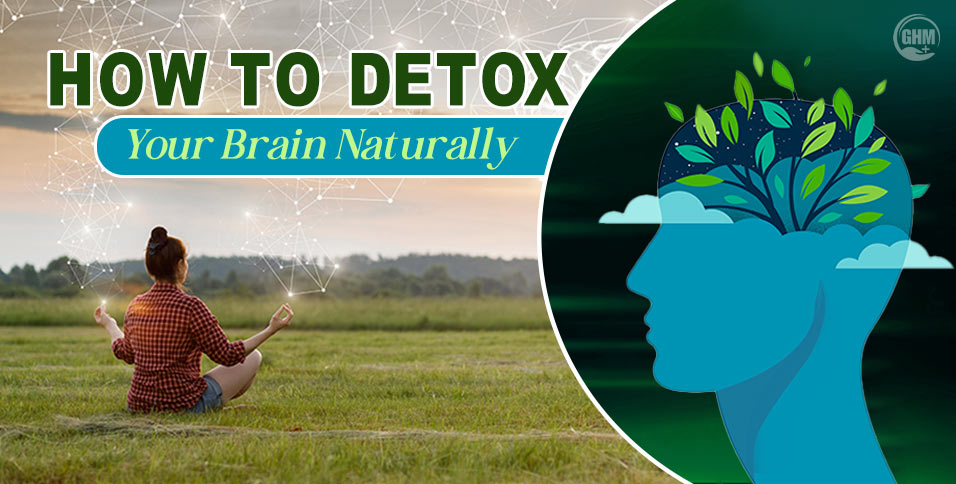
In today’s high-speed world, many people struggle with persistent fatigue, poor concentration, and a feeling of total mental overload. This frustrating sensation, often described as brain fog, can make even simple tasks feel difficult. Many assume they need a medical solution to fix this situation, but the truth is much simpler.
To get rid of the tired brain, our brain actually contains its own sophisticated waste-management department called the glymphatic system. This system works tirelessly to flush out metabolic waste and harmful proteins. Because this system is most active during deep sleep, brain detoxing is less about what you take and more about how you live.
However, modern habits and lifestyles often disrupt these natural processes, leading to high stress and memory lapses.
In this guide, we explain 10 simple science-backed strategies to help you learn how to detox your brain naturally for lasting mental energy. Instead of pursuing extreme or unproven detox kits to clean your brain, you can embrace healthy lifestyle shifts.
What Does It Mean To Detox Your Brain?
A true brain detox is not about a three-day juice fast; it is about supporting the biological functions that protect our brain.
Here, it involves optimizing the glymphatic system, which acts like the brain’s “trash collector.” The glymphatic system uses cerebrospinal fluid to sweep away “garbage” such as beta-amyloid, a protein closely linked to Alzheimer’s disease.
Research suggests this system becomes significantly more active during deep sleep, which is why consistent sleep habits play a major role in brain health. Supporting this brain detoxification process through healthy lifestyle choices can enhance cognitive function, sharpen focus, and support long-term emotional health.
Why Does the Brain Need a Detox?
Nowadays, long screen hours, processed foods, lack of sleep, and chronic stress are disrupting the brain’s ability to clear metabolic waste efficiently. Over time, our body starts to send us signs of distress in brain health.
You might notice:
- Persistent brain fog or a “heavy” feeling in the head.
- Memory problems and forgetting simple tasks.
- Constant fatigue that sleep doesn’t seem to fix.
- Irritability or sudden mood changes.
- Difficulty concentrating on a single task for more than a few minutes.
If these symptoms feel severe or permanent, you should consult a healthcare professional to rule out underlying medical conditions.
How To Detox Your Brain Naturally: 10 Solutions You Must Try
1. Prioritize Quality Sleep
Sleep is arguably the most critical pillar of brain health. Most adults require 7 to 9 hours of quality rest to complete this cycle. Research shows that during sleep, the space between brain cells increases by up to 60%, allowing the glymphatic system to flush toxins twice as fast.
- Maintain a schedule: Go to bed at the same time every day to regulate your circadian rhythms (Body Cycle).
- Optimize your sleeping environment: Keep your bedroom cool, dark, and quiet.
- Wind down: Practice deep breathing or meditation an hour before bed.
2. Eat A Brain-Healthy Anti-Inflammatory Diet
What you eat directly impacts your gut health. Chronic inflammation in the gut can lead to “brain fatigue” and anxiety. Transitioning to an anti-inflammatory diet provides the nutrients your brain needs to repair itself.
To detox your brain, you should eat:
- Leafy Greens such as spinach, kale, and broccoli provide antioxidants that protect brain cells.
- Healthy Fats, such as avocados, olive oil, and walnuts, provide vitamin E and magnesium for a healthy brain.
- Omega-3s, such as salmon, sardines, and chia seeds, support brain function.
- Antioxidants such as berries, turmeric, and dark chocolate contain polyphenols that may improve memory and reduce inflammation.
Avoid processed sugars and trans fats, as these trigger oxidative stress and clog your mental gears.
3. Exercise Regularly
Physical activity is a powerful catalyst for the glymphatic system. Studies found that regular exercise could double glymphatic activity compared to sedentary behavior. Aim for at least 150 minutes of moderate aerobic activity, like brisk walking, each week.
Exercise increases blood flow, which delivers more oxygen to neurons and helps clear waste faster.
4. Stay Hydrated
Water is the primary component of the cerebrospinal fluid that cleans your brain, as the brain contains a high level of water. Even mild dehydration can shrink brain tissue and impair concentration, and lead to mood shift. You should aim for 8 to 10 glasses of water intake daily.
If you feel thirsty, you are likely already slightly dehydrated, so keep a water bottle nearby at all times.
5. Limit Exposure to Environmental Toxins
If you want to know how to detox your brain naturally, make sure to limit your exposure to toxic substances. High levels of pesticides and air pollution can contribute to neurotoxicity over time.
While you cannot avoid every chemical, you can reduce the toxic load on your body.
- Choose organic fruits and vegetables when possible.
- Filter your air and water to remove heavy metals and pollutants.
- Use natural cleaners to reduce the inhalation of synthetic fragrances.
6. Reduce Screen Time & Digital Overload
Constant digital pings keep your brain in a state of high alert, increasing cortisol. This “digital fog” prevents your mind from processing information.
To detox your brain, try a “Digital Detox Day” once a week, where you step away from all screens to let your mind reset.
7. Spend More Time In Nature
To naturally detox your brain, nature can be the best solution. Spending just 20 minutes in a green space can significantly lower stress hormones. Nature acts as a counterbalance to our hectic lives, providing a stabilizing influence on an exhausted brain.
Whether it is a park or a forest, make sure to keep your devices aside and spend some time in the quiet nature. This immersion in nature can improve your creativity and focus.
8. Practice Mindfulness and Stress Management
Chronic stress clutters the mind with incessant worries. It creates “mental clutter” that blocks clear decision-making. Therefore, to help regulate your nervous system, stress management and mindfulness can be a solution.
Through these practices, you can release stress and brain fog.
- Journaling: Write down your worries to release emotional baggage.
- Meditation: Even five minutes of focusing on your breath can bring mental peace.
9. Challenge Your Brain With Mental Activities
Just as our muscles, our brains also need regular workouts to stay sharp. Engaging in cognitive challenges builds neural resilience and supports brain training.
- Solve complex jigsaw puzzles or crosswords.
- Learn a new language or a musical instrument.
- Try “brain games” that stimulate memory and logic.
10. Maintain Strong Social Connections
Human beings are social creatures, and isolation is a major risk factor for cognitive decline. Positive social interactions ward off the depression and stress that often accelerate memory loss.
Therefore, make it a point to meet friends, join a club, or even have a brief, meaningful conversation with a stranger.
Research suggests that interacting with strangers stimulates positive reactions, leading to reduced stress and supporting long-term brain health.
When To Seek Medical Advice & Improve Brain Health
While lifestyle changes are powerful, they are not a substitute for professional medical care.
You should consult a doctor if you experience:
- Sudden or severe memory loss, such as the names of people.
- A total inability to focus on daily tasks.
- Persistent feelings of depression or anxiety that interfere with your life.
- Physical symptoms like chronic migraines or sudden coordination issues.
These could be signs of underlying conditions like medication side effects, sleep apnea, or neurodegenerative diseases. Seeking professional care becomes essential at this point.
Final Note
The human brain is a self-cleaning powerhouse, but it requires the right environment to function.
Learning how to detox your brain naturally is about working with your biology, not against it, and by making small lifestyle changes, you provide the glymphatic system with the tools it needs to succeed.
Remember, the best detox isn’t found in a bottle; it’s found in your daily habits. Start with one small change today, perhaps a 15-minute walk or a consistent bedtime, and watch your mental clarity return.
Your brain works hard every day. Give it the support it needs, and your brain will thank you for the extra “breathing room”.
If you found these tips helpful, then share this article with someone who needs a mental boost!
Frequently Asked Questions
- Can supplements help with brain fog?
Yes, under medical supervision. Supplements like Vitamin C for antioxidant support, Milk Thistle for liver health, and Probiotics for the gut-brain axis can support your body’s natural detox pathways.
- How long does it take to see results from a brain detox?
While a 24-hour water fast can provide a quick reset, true cognitive improvement usually takes 2 to 4 weeks of consistent lifestyle changes, such as improved sleep and diet.
- How does caffeine affect brain detox?
In moderation, caffeinated coffee and tea provide antioxidants that protect brain cells. However, excessive caffeine, especially late in the day, disrupts the sleep cycle, which prevents the glymphatic system from cleaning the brain.