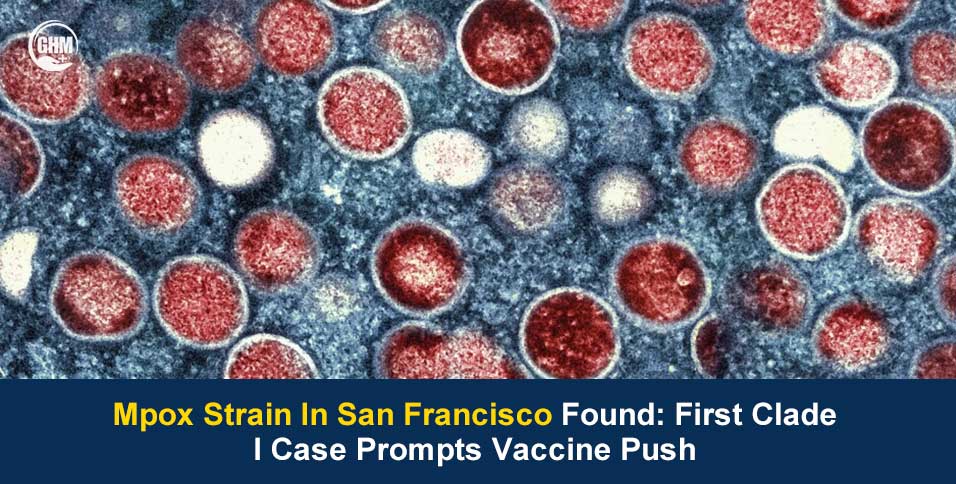
San Francisco health officials have confirmed the city’s first Clade I Case, urging residents to get vaccinated. This mpox strain in San Francisco is raising fresh concerns about virus surveillance and vaccination readiness. Authorities say the patient was hospitalized and is now recovering. While officials stress the overall public risk remains low, they are encouraging eligible residents to get vaccinated and stay alert for symptoms.
The monkeypox strain detected in San Francisco is significant because Clade I has been associated with more severe illness than the strain linked to the 2022 global outbreak. Public health leaders say early detection gives the city a stronger chance to prevent wider spread.
How Did the First Mpox Case Enter San Francisco?
The patient had contact with someone who recently traveled internationally. Health teams have begun contact tracing, which means identifying and notifying people who may have been exposed.
The first MPox case in San Francisco involving the Clade I variant does not mean a large outbreak is underway. Officials say there is no evidence of widespread community transmission at this time.
Still, this monkeypox strain is being watched closely because imported cases can sometimes lead to local clusters if not contained quickly.
What Makes This New Mpox Strain in San Francisco Different?
Monkeypox has different genetic groups known as clades. The 2022 international mpox outbreak was mainly caused by Clade II. But the Mpox strain detected in San Francisco belongs to Clade I, which has been causing serious outbreaks in parts of Central Africa.
According to reports, local officials emphasized that San Francisco already has experience responding to mpox, including vaccine systems and public education built during earlier outbreaks, the most recent being in September 2025.
That preparation may help limit the impact of the mpox strain in San Francisco.
Mpox Clade I Symptoms Residents Should Watch For
The symptoms of Mpox Clade I can begin like a flu and later include a rash or lesions. Common warning signs include:
- Fever and chills
- Headache
- Muscle aches
- Swollen lymph nodes
- Fatigue
- Rash, bumps, or sores
- Painful skin lesions in sensitive areas
Anyone with these symptoms should contact a healthcare provider and avoid close physical contact until evaluated.
The mpox strain found in San Francisco has renewed calls for fast testing when symptoms appear.
San Francisco Health Officials Urge Vaccination
San Francisco health officials are encouraging eligible residents to receive the two-dose Jynneos vaccine, which is approved to help protect against mpox.
People who should get immediate monkeypox vaccination:
- Individuals with known exposure to a confirmed case
- People with multiple intimate partners
- Healthcare workers handling high-risk exposures
- Travelers to regions with active outbreaks
- Communities previously identified as higher risk during past outbreaks
Officials said that “completing the two-dose Jynneos vaccine series remains one of the best available tools to reduce severe illness.”
What San Francisco Residents Should Do Now
Health leaders say there is no need to panic. Instead, practical steps matter most:
- Get vaccinated if eligible.
- Watch for symptoms after close contact or travel.
- Seek testing for an unexplained rash or fever.
- Avoid close contact when sick.
- Follow updates from city and federal health agencies.
The mpox strain in San Francisco is serious, but manageable with quick action and informed communities.
Why Is Mpox Strain Detection More Critical Now?
Even a single imported case can matter in a globally connected city. San Francisco receives high levels of domestic and international travel, which increases the need for a rapid public health response.
With summer travel increasing, large festivals returning, and crowded public events drawing bigger audiences, health experts say close-contact exposure risks naturally rise during this season. Therefore, officials aim to prevent isolated cases from turning into wider transmission during a high-mobility period.
Even though cases of monkeypox remain limited, health experts continue monitoring trends. A faster response now can help prevent a broader Mpox outbreak in California later.
San Francisco has recently faced multiple public health challenges. Earlier reports on tuberculosis concerns in local schools also highlighted the city’s need for strong disease monitoring systems.
Takeaway
The confirmation of the mpox strain in San Francisco marks an important public health moment, but not a crisis. With vaccination access, experienced response teams, and better awareness than in past years, the city is in a stronger position to respond.
For now, officials say awareness, early treatment, and the two-dose Jynneos vaccine remain the best defenses against the mpox strain in San Francisco.