Around 85% of people experience acne at some point in their lives, making it one of the most common skin concerns worldwide. In today’s skincare landscape, many turn to chemical treatments as a first-line solution. As a result, chemical exfoliants have rapidly gained popularity, offering targeted and effective results. However, with so many options available, choosing the right ingredient can feel overwhelming.
Among these, salicylic acid stands out as a trusted and widely recommended choice. Known as a beta-hydroxy acid (BHA), it is praised by skincare experts for its ability to address multiple skin concerns. From acne and clogged pores to other body skin issues, the range of salicylic acid uses makes it a versatile addition to modern skincare routines.
This guide breaks down how salicylic acid works, explores its key uses, and provides important side effects and safety tips to help you use it effectively.
What is Salicylic Acid?
Salicylic acid is a noteworthy organic compound that naturally occurs in willow bark and wintergreen leaves. Scientists classify it as both a keratolytic agent and a salicylate, meaning it excels at softening and shedding the outer layer of the skin.
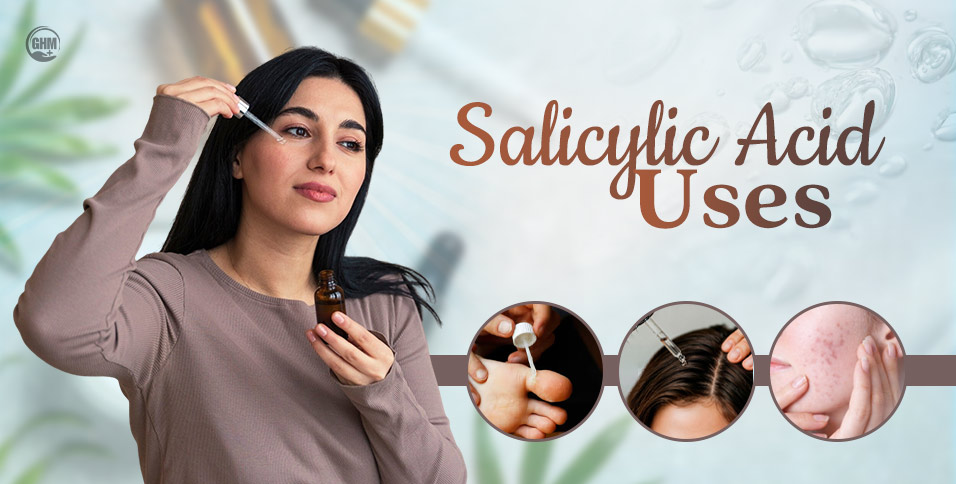
This small molecule possesses bacteriostatic and fungicidal properties, making it an essential medicinal tool. Because salicylic acid is oil-soluble, it penetrates deep into oily pores where other acids cannot reach. Today, manufacturers include it in diverse formulations. You can find Salicylic acid in various over-the-counter forms, including:
- Cleansing gels and washes
- Topical lotions and creams
- Medicated pads and serums
- Specialized shampoos for scalp health
How Does Salicylic Acid Work On the Skin?
This ingredient functions differently compared to many chemical exfoliants. While most acids in skincare work only on the surface, salicylic acid dives deeper.
- Desmolytic Action: Salicylic acid dissolves the cells that hold the dead skin cells together. This process helps deep pore cleansing that prevents new breakouts.
- Comedolytic Effect: Salicylic acid on the skin effectively breaks down existing clogs in hair follicles. After certain use, it improves the appearance of minor scars and dark spots over time.
- Anti-inflammatory Properties: It reduces redness and swelling by inhibiting COX enzymes, instead giving skin a calming effect.
- Sebum Control: The acid helps regulate excessive oil production to prevent future shine.
This multi-action approach makes BHAs, such as salicylic acids, remain a gold-standard treatment.
Top Salicylic Acid Uses for Skin and Health
While most people know it for pimples, salicylic acid uses extend far beyond simple pimple treatment. It addresses a wide range of dermatological conditions.
- Acne Treatment: Salicylic acid for acne is perhaps its most famous application. It clears blackheads, whiteheads, and active pimples by unblocking pores.
- Exfoliation and Texture: Regular use of salicylic acid for exfoliation can remove dead skin cells and improve overall skin smoothness. This process gradually improves the appearance of fine lines, scars, and dark spots.
- Psoriasis and Seborrheic Dermatitis: Salicylic acid softens and removes flaky skin scales associated with these conditions. It also reduces the inflammation linked to seborrheic dermatitis.
- Dandruff Control: Many medicated shampoos use salicylic acid to reduce scalp buildup and itching. It breaks down scalp buildup and prevents the flaking that often causes social discomfort.
- Wart Removal: For those dealing with common or plantar warts, high-concentration gels break down the excess keratin forming the wart.
- Corns and Calluses: Salicylic acid uses also include softening thickened skin on the feet. The acid makes it much easier to remove painful corns and calluses safely.
- Keratosis Pilaris: The acid helps smooth the strawberry-like bumps often found on arms. Salicylic acid smoothens these bumps by dissolving the keratin plugs.
How to Use Salicylic Acid Safely
Safety is paramount when using active skincare acids. Just like that, safe uses of salicylic acid require a gradual introduction to avoid irritation.
Follow these actionable steps:
- Patch Test: Apply a small amount to a discreet area for 2–3 days before full application.
- Start Low: Begin with a 0.5% to 2% concentration to see how your skin reacts.
- Frequency: Use the product only 2–3 times per week initially.
- Timing: Apply leave-on treatments at night to support natural skin repair.
- Hydrate: Always follow up with a good moisturizer to prevent excessive dryness.
- Sun Protection: You must apply a broad-spectrum sunscreen daily during treatment, as BHA’s like salicylic acid increase sun sensitivity.
Recommended Salicylic Acid Concentrations
The right skin acid strength depends on your skin type and the condition you are treating:
- 0.5% – 2%: Ideal for beginners and individuals with sensitive skin.
- 2% – 5%: Common for treating moderate acne or calluses.
- 5% – 10%: Usually reserved for warts or severe conditions under medical supervision.
Side Effects of Salicylic Acid
While beneficial, side effects of salicylic acid treatments can occur on the skin.
- Common Effects: You may notice mild dryness, peeling, or slight redness.
- Hyperpigmentation: Without proper SPF, it may cause dark spots, especially in darker skin tones.
- Severe Effects: Watch for intense burning, blistering, or signs of an allergic reaction. Stop use immediately if you experience severe inflammation or breathing difficulties.
Precautions and Drug Interactions
Smart usage of chemical exfoliants involves knowing what to avoid. You should avoid mixing salicylic acid with other potent actives on the same area to prevent chemical burns.
Do not combine salicylic acid with:
- Benzoyl Peroxide: May cause extreme dryness.
- Retinoids: Both are powerful exfoliants; use them at different times of the day.
- Alcohol-based products: These significantly increase the risk of irritation.
While salicylic acid uses are ideal for those with oily or acne-prone skin, individuals with very dry skin or eczema should use it with extreme caution.
Consult a healthcare professional if you have diabetes, kidney disease, or liver issues. Even though topical use of salicylic acid is generally safe during pregnancy, always check with your doctor first.
Final Words
The vast array of salicylic acid uses makes it a versatile powerhouse in modern medicine and skincare. Whether you want to clear acne, remove a wart, or soothe a flaky scalp, this BHA provides a scientifically-backed solution. Remember that patience and sun protection are key to achieving the best results.
As we look to the future, we expect even more innovative ways to combine this classic ingredient with hydrating actives to minimize irritation while maximizing health benefits.
Did you find this guide helpful? Share it with your friends on social media to help them master their skincare routine!
Frequently Asked Questions
- How long does it take for salicylic acid to show results?
After applying salicylic acid, you may feel smoother skin immediately, but significant acne reduction typically takes 4–6 weeks.
- Can I use salicylic acid with vitamin C?
Yes, salicylic acid and vitamin C can work well together. Vitamin C provides antioxidant protection while salicylic acid clears congestion.
- What should I do if I miss a dose of salicylic acid?
Apply it as soon as you remember, unless your next dose is almost due. Do not apply extra to make up for the missed one.