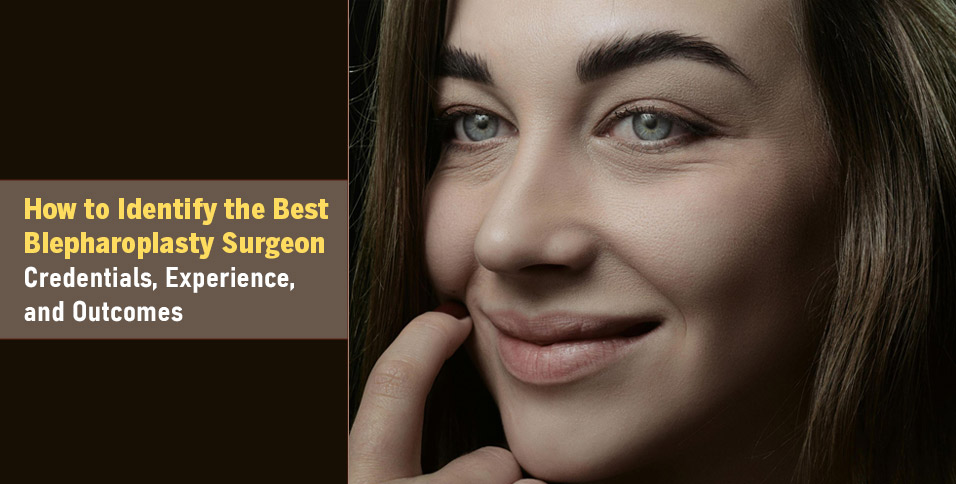
Your eyes are the first thing people notice. They show emotion. They show energy. They also show age faster than any other feature. Droopy lids can make you look tired or sad. Even when you feel great. Blepharoplasty fixes that. It removes extra skin and fat from your eyelids. The results can be life-changing. But only if you pick the right surgeon. This is not a procedure for just anyone. You need a specialist. Here is how to find one.
Start With Local Reputation
Every city has a few surgeons who stand out. They get mentioned in online forums. They get recommended by other doctors. They have a waiting list. That is a good sign. For example, the best blepharoplasty surgeon Toronto has to offer is usually booked months in advance. That is not an inconvenience. That is a clue. Popular surgeons are popular for a reason. They get results. They have happy patients. Do not be afraid of a waitlist. It often means you found someone good.
Board Certification Is Your First Filter
Do not skip this step. It is that important. Board certification means the surgeon completed years of extra training. They passed difficult exams. They follow strict safety standards. For eyelid surgery in the US for example, you want a surgeon certified by the American Board of Plastic Surgery or the American Board of Ophthalmology. Both train surgeons on the delicate eye area. Ask to see the certificate. A good surgeon will show you proudly. If they hesitate, walk away.
Look for a Specialist, Not a Generalist
Some surgeons do everything. Breast. Nose. Butt. Face. Eyelids. That is fine for some procedures. But blepharoplasty is different. The eyelid skin is the thinnest on your body. The muscles are tiny. The area is packed with nerves and blood vessels. You want someone who does eyelid surgery all the time. Not someone who does it twice a year. Ask how many blepharoplasties they perform monthly. The answer should be in double digits. Not single.
Study Their Before and After Photos
Photos do not lie. Well, good ones do not. Ask to see many examples of eyelid surgery. Look for patients with similar eye shapes to yours. Look at their scars. They should be hidden in the natural crease. Look at the symmetry. Both eyes should match. Look for natural results. The patient should look refreshed. Not surprised or pulled tight. A confident surgeon will have hundreds of photos. They will be proud to show you their work.
Pay Close Attention to Scars
Blepharoplasty scars are usually very well hidden. The upper eyelid scar sits in the crease, so you cannot really see it when your eyes are open. The lower eyelid scar is just below the lash line. Or inside the eyelid itself. That is called a transconjunctival approach. No external scar at all. A great surgeon will explain these options. They will show you healed scars from previous patients. If the scars are visible or uneven, that is a red flag. Keep looking.
Read Reviews for Function, Not Just Looks
Blepharoplasty is not just cosmetic. Many people get it for functional reasons. Droopy upper lids can block your vision. That is a medical problem. So when you read reviews, look for comments about function. Did the patient see better afterward? Did their headaches go away? Did their eye strain improve? A good surgeon cares about both form and function. They will test your vision before surgery. They will measure how much your lids droop. That shows thoroughness.
Ask About Revision Policy
No surgeon is perfect. Complications happen. Sometimes the results are not what you wanted. You need to know how they handle that. Do they charge for revision surgery? Do they cover the facility fees? Do they offer a discount for touch-ups? Get these answers in writing. A confident surgeon stands behind their work. They want you to be happy. If they cannot give you a clear revision policy, that is a problem. Find someone who will.
The Consultation Is a Job Interview
Think of the consultation as you interviewing them. Not the other way around. You are hiring them. So ask hard questions. How many blepharoplasties have you done? What is your complication rate? Can I speak to a former patient? Do you have photos of your own work? Pay attention to how they answer. Do they listen? Do they rush you? Do they explain things clearly? Trust your gut. If something feels off, it probably is. See another surgeon.
Look for Modern Techniques
Eyelid surgery has improved a lot. Old techniques left visible scars. New techniques are much better. Ask your surgeon about their methods. Do they use a CO2 laser or a radiofrequency device? Those tools reduce bleeding and speed healing. Do they offer nonsurgical alternatives for mild cases? Things like plasma pen or radiofrequency tightening. A good surgeon knows all the options. They will not push you into surgery if you do not need it yet.
Your Final Checklist
You have done your homework. Now make a final list. Board certified? Yes. Specialist in eyelids? Yes. Many photos of good results? Yes. Clear revision policy? Yes. Good reviews from real patients? Yes. Comfortable during consultation? Yes. If you can check every box, you found your surgeon. Book the procedure. Follow their pre-op instructions. Trust their skill. Then enjoy your refreshed, brighter eyes. You earned it.