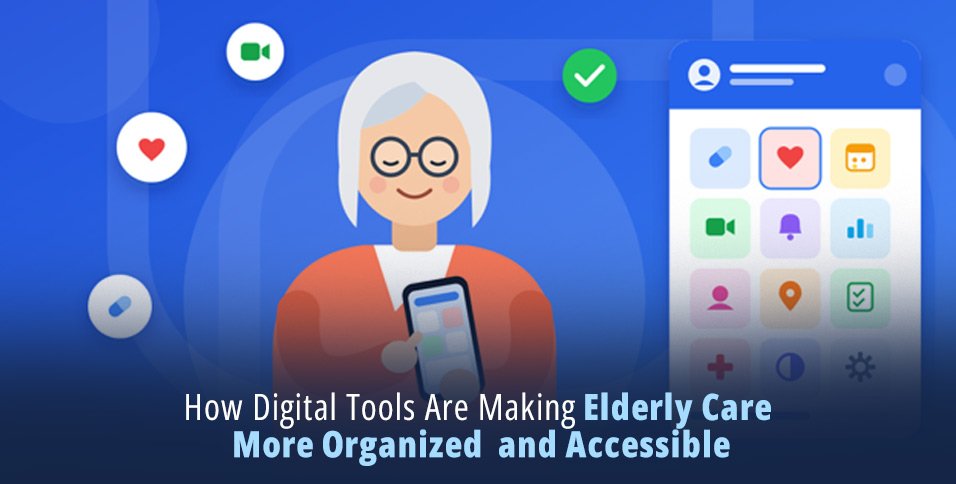
Caring for an aging family member often involves more than providing daily assistance. Families may need to manage medical appointments, medication schedules, personal care routines, important documents, and communication between multiple caregivers. When several people share these responsibilities, keeping everyone informed and organized can become difficult.
Digital technology is helping families approach these responsibilities in a more structured way. From medication reminders to shared calendars and caregiving applications, modern tools can make it easier to coordinate care and keep important information accessible. These solutions do not replace personal attention or professional healthcare, but they can help families manage everyday caregiving tasks with greater confidence.
The Growing Challenges of Managing Elderly Care
As people grow older, their care requirements may become more complex. Some individuals need occasional assistance with daily activities, while others require regular support with medication, medical appointments, mobility, and personal care.
For family members, coordinating these responsibilities can be challenging, particularly when several relatives are involved.
One common problem is communication. A family member may take an older parent to a medical appointment, while another manages prescriptions or checks on daily activities. Without a shared system, important updates can easily get lost between phone calls, text messages, and handwritten notes.
Medication management is another concern. Older adults may take multiple prescriptions, each with different instructions and schedules. Caregivers need a reliable way to keep track of these details and communicate any changes to the people involved in care.
There is also the challenge of balancing caregiving with work, family commitments, and personal responsibilities. Digital tools can help reduce some of the administrative work involved, allowing families to spend more time focusing on the person receiving care.
How Digital Tools Are Simplifying Elderly Care
Technology is creating practical ways to organize everyday caregiving activities. Instead of relying entirely on separate notebooks, phone calls, and scattered documents, families can use digital platforms to keep important information together.
Medication Reminders and Tracking
Keeping track of medications is an important part of elderly care. Missing a dose, forgetting a prescription refill, or misunderstanding medication instructions can create unnecessary complications.
Medication reminder applications allow caregivers to organize medication schedules and receive notifications at specific times. Some platforms also provide medication tracking features, helping families see whether a scheduled dose has been marked as taken.
These tools can be particularly useful when more than one person is involved in supporting an older adult. Rather than repeatedly asking whether medication has been taken, authorized caregivers can check the available updates.
However, digital reminders should support, not replace, instructions from healthcare professionals. Any medication changes or concerns should be discussed with the appropriate medical provider.
Appointment Scheduling and Care Coordination
Medical appointments, follow-up visits, therapy sessions, and routine checkups can create a complicated schedule for families.
Shared digital calendars offer a straightforward way to organize these activities. Family members can view upcoming appointments, coordinate transportation, and identify who is responsible for accompanying an older relative.
Some caregiving platforms also allow users to assign tasks and share schedule updates. This makes it easier for everyone involved to understand their responsibilities.
For families living in different locations, having access to the same calendar can reduce confusion and help prevent important appointments from being overlooked.
Better Communication Between Family Members
Communication plays an important role in providing consistent care. When several relatives or professional caregivers are involved, sharing updates becomes especially important.
Digital messaging tools allow family members to communicate without depending entirely on individual phone calls. They can share appointment updates, discuss daily routines, and notify others when responsibilities change.
A centralized communication system can also make previous updates easier to find. This is useful when someone needs to review information about a recent appointment or understand what happened during another caregiver’s visit.
By keeping communication organized, families can work together more effectively and avoid unnecessary misunderstandings.
Organizing Important Health Information
Families often need to manage medical records, prescription information, emergency contacts, insurance details, and other important documents.
When these records are stored in different locations, finding the correct information can take time. Digital document storage provides an alternative by allowing authorized individuals to access relevant files from connected devices.
Organized digital records can also help caregivers prepare for medical appointments and share accurate information with healthcare professionals when appropriate.
Privacy should remain a priority. Families should choose platforms with clear security policies and appropriate access controls, particularly when handling sensitive personal or medical information.
The Role of Caregiver Apps in Modern Elderly Care
A caregiver app can bring several everyday responsibilities into one organized platform. Instead of using separate applications for scheduling, communication, task management, and medication tracking, families may benefit from having these tools available in a shared space.
For example, Caring Village provides a digital platform designed to help family caregivers coordinate responsibilities and stay connected. Its features include shared calendars, medication tracking, care plans, document storage, messaging, and task management.
These capabilities allow family members to organize caregiving activities, share updates, and assign responsibilities without depending entirely on scattered conversations or separate documents.
A shared caregiving platform can be especially useful when siblings, relatives, friends, and professional caregivers all contribute to supporting the same individual.
The main benefit is organization. When everyone has access to the relevant information, it becomes easier to understand upcoming responsibilities and maintain continuity between different caregivers.
Making Elderly Care More Accessible Through Technology
Digital tools can also support families who do not live close to their aging relatives.
In many households, adult children live in different cities or countries while an older parent remains at home. Distance can make it difficult to coordinate appointments, receive regular updates, and participate in everyday caregiving decisions.
Online communication platforms and shared caregiving applications can help bridge some of these gaps.
Family members can review shared schedules, exchange updates, and coordinate tasks without needing to be physically present for every activity. Video calls can also help relatives stay connected and check in regularly.
Accessibility is equally important for older adults. Not every person is comfortable using smartphones or navigating complicated applications. Simple interfaces, readable text, clear instructions, and easy navigation can make digital tools more practical for both caregivers and care recipients.
Technology should adapt to the needs of the people using it rather than creating additional responsibilities.
Choosing the Right Digital Tools for Elderly Care
Not every family requires the same digital solution. Some may only need a shared calendar, while others may benefit from a more comprehensive caregiving platform.
Before choosing a tool, families should consider a few important factors:
- Ease of use: Choose applications with simple navigation and clear features that different family members can understand.
- Privacy and security: Review how personal information is stored, protected, and shared with other users.
- Useful features: Look for practical functions such as medication reminders, shared schedules, task management, and document organization.
- Accessibility: Consider whether the platform works across smartphones, tablets, and computers.
- Family collaboration: Check whether multiple caregivers can participate and coordinate responsibilities.
- Flexibility: Choose tools that can accommodate changing care requirements as an older family member’s needs evolve.
It is also helpful to involve the older adult in decisions about technology whenever possible. Their preferences, comfort, and independence should remain important considerations.
Conclusion
Digital tools are making elderly care more organized by helping families manage schedules, medication information, daily responsibilities, and communication in a more structured way.
Although technology cannot replace the compassion and attention involved in caring for an aging family member, it can reduce some of the difficulties associated with coordinating everyday tasks.
The right digital solution can help family members stay informed, share responsibilities, and make important caregiving information easier to access. As technology continues to develop, these tools may become an increasingly valuable part of supporting older adults while helping families provide more coordinated and thoughtful care.
Also Read: In-Home vs. Residential Respite Care: Which Option Is Right for You?