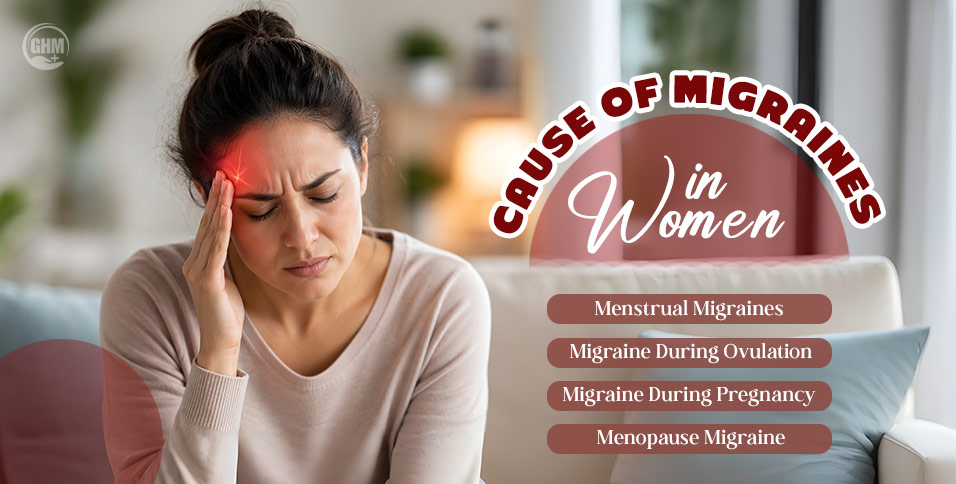
You already know that headaches are brutal. But if you’re a woman who gets migraines, you’ve probably noticed they seem to follow a pattern—before your period, during pregnancy, or right around menopause, but have you ever wondered exactly why?
Most people assume the primary cause of migraines in women is stress or diet; it’s more than that. When it comes to migraine headaches in women, the main culprit is hormones. Specifically, changes in estrogen levels can directly trigger migraine attacks. And because estrogen fluctuates throughout a woman’s life — during periods, pregnancy, and menopause — migraine patterns shift constantly, too.
The cause of migraines in women is far more specific and far more treatable, once you understand what’s driving them.
In this guide, you’ll learn why hormonal migraines in women happen at each life stage, how these migraine patterns shift from puberty to post-menopause, and what you can do to take back control.
Why Are Migraines More Common In Women?
According to the American Migraine Foundation, women are three times more likely to experience migraines than men. That’s a striking gap — and hormones explain most of it.
Before puberty, boys and girls experience migraines at similar rates. But once hormonal changes begin in adolescence, girls start to develop far more frequent and disabling attacks. This shift points directly to the influence of estrogen on the brain’s pain-processing pathways.
Beyond hormones, several factors raise migraine risk in women:
- Family history and genetics
- A more sensitive nervous system
- Higher levels of daily stress and sleep disruption
- Nutritional deficiencies, such as magnesium
Women also tend to experience longer-lasting attacks that are harder to treat. Understanding the root cause of migraines in women helps guide better treatment.
Hormones and Migraine: The Primary Factor
Estrogen doesn’t just regulate reproductive health—it also influences the brain’s pain pathways. Estrogen affects several brain chemicals, including serotonin and a pain-signaling protein called CGRP (calcitonin gene-related peptide). When estrogen levels drop sharply, these chemicals become unbalanced and trigger a migraine attack in women.
Estrogen shifts happen during:
- The menstrual cycle (especially before a period)
- Ovulation (mid-cycle)
- Pregnancy & The postpartum period
- Perimenopause and menopause
Other Hormones Causing Migraine
Estrogen isn’t the only hormone involved in migraine pain. Other hormones also contribute to female migraine causes:
- Progesterone: Its withdrawal before menstruation may amplify sensitivity to pain.
- Prostaglandins: These inflammatory compounds increase during menstruation and may worsen migraine pain.
- Prolactin: Elevated during breastfeeding, it may affect headache patterns postpartum.
- Cortisol: The stress hormone, when chronically elevated, can lower the threshold for an attack.
Together, these hormones create a complex but identifiable pattern of triggers.
The Cause of Migraines In Women Explained
1. Menstrual Migraines
Menstrual migraines are migraine attacks directly linked to the hormonal changes of the menstrual cycle. They typically strike in the window from two days before a period starts through the first three days of bleeding. Just before menstruation begins, estrogen drops sharply. This sudden fall triggers migraine.
According to data, at least 60% of women who experience migraines report them happening around their menstrual cycle. This makes the menstrual period one of the most important factors to consider during migraine treatment.
Symptoms of menstrual migraines
- Throbbing or pulsing pain, usually one-sided
- Nausea and sometimes vomiting
- Sensitivity to light, sound, and smell
- Fatigue and difficulty concentrating
- Longer duration than typical headaches
Managing Period Migraines
Menstrual migraine attacks are often harder to treat and more likely to recur than non-menstrual ones. However, Several evidence-based strategies can help reduce the frequency and severity of menstrual migraines:
- Track your cycle dates in a headache diary to spot patterns early.
- Stay well-hydrated in the days before and during your period.
- Maintain a consistent sleep schedule to avoid adding a trigger on top of hormone changes.
- Ask your doctor about magnesium supplementation or explore other natural remedies for migraines for additional options.
- Discuss triptans or short-term preventive treatment with your healthcare provider.
2. Migraine During Ovulation
Surprisingly, ovulation can also be a cause of migraines in women, a time of some rest from menstruation. Around the middle of your cycle, roughly day 14, estrogen surges rapidly, then falls after the egg is released. This shift can trigger an ovulation migraine in susceptible women. These mid-cycle headaches are a recognized but often overlooked migraine trigger.
Signs of Ovulation Migraine
- Headache occurring roughly 14 days before your next period
- Mild pelvic pain or cramping (ovulation pain)
- Changes in cervical mucus alongside the headache
- A consistent monthly pattern
Preventive Tips
- Keep a headache diary to spot the pattern
- Maintain hydration and avoid skipping meals
- Use stress management techniques like breathing exercises or yoga
3. Migraine During Pregnancy
Many women experience fewer migraines during pregnancy, especially in the second and third trimesters. Stable, high estrogen levels during these stages may help quiet the migraine threshold.
The National Migraine Centre notes that some women experience complete remission of migraine attacks during pregnancy.
When Pregnancy Migraines Can Worsen
The first trimester is a different story. Estrogen levels fluctuate rapidly before stabilizing, which can worsen attacks. Additionally, morning sickness, disrupted sleep, dehydration, and heightened stress all act as migraine triggers during early pregnancy.
Safe Migraine Management
Managing migraines during pregnancy requires extra caution since most standard medications are off-limits. Safe approaches include:
- Prioritize hydration and small, frequent meals
- Rest as much as possible and protect sleep quality
Always consult your doctor before taking any medication during pregnancy.
4. Menopause Migraine
Perimenopause — the transition phase before periods stop completely — is one of the most challenging periods for women with migraines. The fluctuating and unpredictable estrogen during perimenopause can cause a significant increase in migraine frequency. Around 30% of women report worsening migraines during perimenopause.
For many women, migraine frequency decreases after natural menopause, once hormone levels stabilize at a consistently low level. However, some women continue to experience attacks, particularly those with a long migraine history.
Symptoms worsening menopause headache
Hot flashes, night sweats, anxiety, and poor sleep are all common in perimenopause and they are also known migraine triggers in women. This combination can create a difficult cycle that feels hard to break.
Non-Hormonal Cause of Migraines In Women
Hormones are the biggest factor in female migraine, but they’re not the only one. A range of lifestyle and environmental factors can also be a cause of migraines in women just as much as in men.
Common non-hormonal triggers in women include:
- Stress and anxiety
- Irregular or insufficient sleep
- Dehydration
- Bright lights or screen glare
- Strong smells or perfumes
- Alcohol, especially red wine
- Caffeine changes (too much or too little)
- Processed foods and artificial additives
- Weather and barometric pressure changes
- Medication overuse headache (rebound headaches)
Understanding your personal migraine triggers, which are not caused by hormones, and tracking them alongside your cycle, can dramatically improve how well you manage your migraines.
When to See a Doctor
Most migraines, while debilitating, are not medically dangerous. However, some headache symptoms, especially migraine symptoms in women, require urgent attention. Seek immediate care if you notice:
- A sudden, severe headache — the worst of your life
- New symptoms at the aura stage of migraine, especially in those over 40
- Weakness, numbness, or speech changes with a headache
- Headaches during pregnancy accompanied by high blood pressure
- More than 4 migraine days per month
- Frequent reliance on over-the-counter painkillers
Final Thoughts
The cause of migraines in women is deeply connected to hormonal fluctuations — especially changes in estrogen — across every stage of life. Menstruation, ovulation, pregnancy, perimenopause, and menopause each bring their own migraine pattern.
The good news: once you understand your triggers and your migraine type, you can work with your doctor to build a prevention plan that fits your life. Track your cycle, note your triggers, and don’t dismiss persistent headaches as ‘just stress.’
The key is to treat migraine as a chronic condition that deserves proper attention for every migraine attack, not just during the worst.
If you’re struggling with frequent migraines, talk to your healthcare provider. Effective treatments, from lifestyle changes to targeted medications, can significantly reduce how much migraines disrupt your life.
With the right knowledge and support, fewer migraine days are possible.
Frequently Asked Questions
- Can birth control pills trigger migraines in women?
Yes. Combined oral contraceptives that contain estrogen can trigger or worsen migraines in some women, particularly during the pill-free week when estrogen drops. Women with migraines with aura are generally advised to avoid estrogen-containing contraceptives due to a small increased stroke risk. Always discuss options with your doctor.
- Are migraines hereditary in women?
Migraines do run in families. If one parent has migraines, a child has roughly a 50% chance of developing them. If both parents have migraines, the risk rises to around 75%. Women are more likely to inherit migraine susceptibility and to experience it more severely due to hormonal influences.
- Are migraines common with PCOS?
Women with polycystic ovary syndrome (PCOS) often have irregular hormone levels, including fluctuating estrogen and elevated androgens. These imbalances may increase migraine susceptibility, though research is still emerging. Managing PCOS hormones may also help reduce migraine frequency.
- Can a migraine app help women manage hormonal migraines?
Absolutely. Migraine apps help you log headache dates alongside your cycle, sleep, food, and stress levels. Over time, patterns emerge that make it easier to predict and prevent attacks.