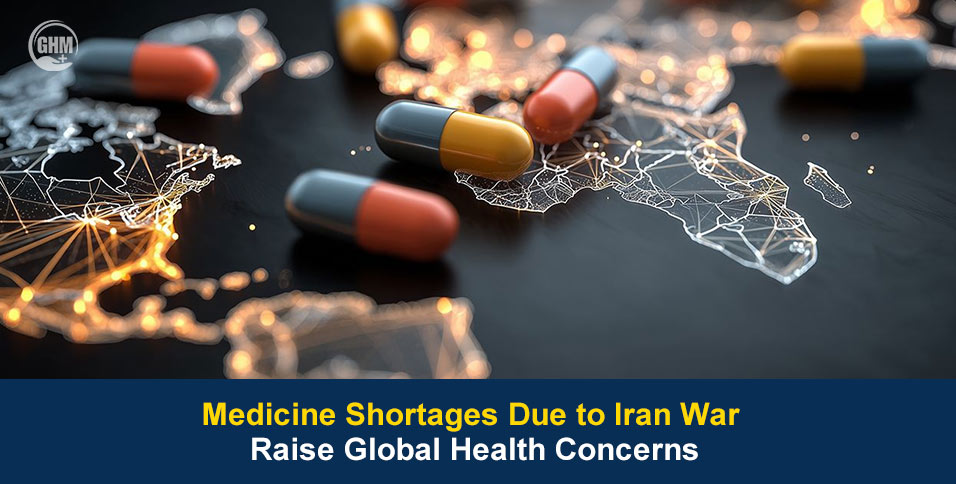
The growing issue of medicine shortages due to Iran war is now affecting patients, pharmacies, and healthcare systems far beyond the Middle East. Rising fuel prices, blocked shipping routes, and delays in raw materials are creating a global medicine supply chain crisis that experts say could worsen in the coming weeks.
Pharmacists in the UK have warned that common medicines such as paracetamol, aspirin, and hay fever tablets are becoming more expensive and harder to source. In the United States and Europe, the costs of manufacturing and transport networks are rising due to the impact of the Iran war on pharmaceuticals.
These medicine shortages due to Iran war are highlighting how dependent many countries are on international supply chains for everyday drugs.
Why Is the Iran War Affecting Medicine Supplies?
A key reason for medicine shortages due to Iran war is the disruption around the Strait of Hormuz, one of the world’s most important shipping routes for oil and chemicals. This Strait of Hormuz disruption has increased energy prices and delayed cargo shipments.
Many medicines rely on petroleum-based ingredients for production, packaging, or transport. When oil prices rise, pharmaceutical companies often face higher costs.
According to reports, the closure and instability in the region are increasing air cargo costs and putting pressure on countries that depend on imported ingredients.
This means the global drug supply chain is under stress at every stage:
- Manufacturing costs are climbing
- Shipping routes are slower or rerouted
- Air freight medicine delays are increasing
- Warehouses may run down stock faster than expected
These combined pressures are fueling pharmaceutical shortages across several markets.
NHS Drug Shortage Fears Grow in the UK
In England, community pharmacies say the problem is already visible. Some over-the-counter medicines have risen in price by 20% to 30% since February.
Examples include:
- Paracetamol
- Cetirizine (hay fever tablets)
- Aspirin
- Co-codamol
The National Pharmacy Association warned that some pharmacies are paying far more to wholesalers for basic medicines. That is worsening the existing NHS pharmacy supply issues and adding pressure to already stretched local chemists.
Olivier Picard, chair of the National Pharmacy Association, said some pharmacies are “dispensing at a loss” because reimbursement rates do not always match the new wholesale costs.
This has increased concern over an NHS drug shortage, especially if supply routes remain unstable.
How Global Markets Could Be Affected by War
The impact of medicine shortages due to Iran war is not limited to the UK. The United States imports a large share of medicine ingredients and finished generic drugs. India is one of the biggest suppliers of low-cost medicines worldwide.
India has seen steep increases in cargo rates and fuel-linked production costs. Since India plays a major role in generic drug manufacturing, higher costs there can affect medicine prices globally.
That may lead to:
- Higher Prescription Costs: Patients and insurers may pay more for common medicines.
- Delays for Specialist Drugs: Cold-chain biologics and injectables are especially vulnerable to pharmaceutical logistics crisis conditions.
- Pressure on Hospitals: Healthcare systems may need to find alternative suppliers quickly.
Which Medicines Could Face Supply Shortages?
The medicines using common chemical ingredients or global transport networks may face the highest risk. These include:
- Pain relief medicines such as paracetamol
- Antibiotics
- Blood pressure drugs
- Anxiety and antidepressant medicines
- Hay fever tablets
- Some cancer treatment supplies
Because many of these products depend on drug ingredient imports, shortages in one region can quickly spread elsewhere.
What Should Patients Do Now?
The medicine shortages due to Iran war are concerning, but the people need to stay calm. Panic buying can empty shelves faster and worsen the problem.
Patients should consider these steps:
- Refill prescriptions on schedule, not early
- Speak with pharmacists about alternatives if stock is low
- Avoid stockpiling over-the-counter medicines
- Follow updates from local health authorities
For healthcare providers, this may also be a moment to review stock reserves and strengthen domestic supply options.
Final Takeaway
The issue of medicine shortages due to Iran war is now moving from geopolitical concern to real healthcare challenge. From the UK pharmacy crisis to higher production costs overseas, the effects are already being felt.
This global medical supply chain shortage shows the risks of relying heavily on long international supply chains for essential medicines. Without stronger backup systems, future Middle East conflicts or trade disruptions could trigger similar shortages again.
If the conflict continues, rising healthcare costs, delayed shipments, and wider prescription medicine shortages may follow. For now, health systems are watching closely, and patients are being advised to stay informed, not alarmed.