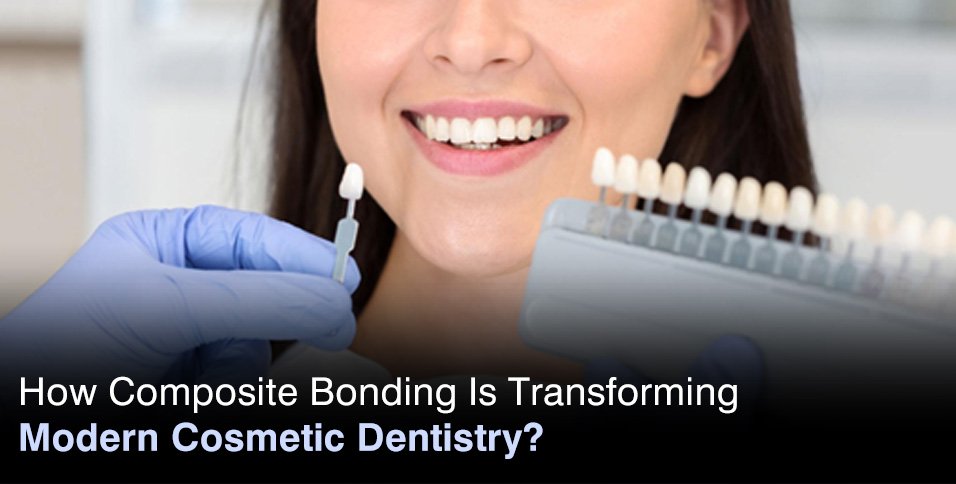
Cosmetic dentistry is evolving rapidly as patients increasingly seek treatments that improve smile aesthetics while preserving natural tooth structure. Modern dental care is no longer focused only on functionality; it also emphasizes patient confidence, minimally invasive procedures, and natural-looking results. Among the treatments gaining significant attention in recent years, composite bonding has emerged as one of the most accessible and versatile solutions in aesthetic dentistry. Its growing popularity reflects broader changes in patient expectations and advancements in cosmetic dental techniques.
The Growing Demand for Minimally Invasive Treatments
Patients today are more informed about cosmetic dentistry options and often prefer treatments that require less alteration to natural teeth. Traditional cosmetic procedures can sometimes involve extensive preparation, enamel removal, or longer recovery periods, which may discourage patients seeking more conservative solutions.
Composite bonding has become increasingly popular because it allows dentists to improve the appearance of teeth using tooth-colored resin materials without major structural changes. This approach aligns with the growing demand for treatments that combine aesthetic improvements with long-term dental preservation.
Improving Smile Aesthetics with Personalized Solutions
One of the key advantages of composite bonding is its ability to address a wide range of cosmetic concerns, including chipped teeth, small gaps, uneven edges, discoloration, and minor alignment issues. Dentists can shape and contour the material directly onto the teeth to create highly customized results.
The growing interest in composite bonding London services reflects a wider patient preference for cosmetic dental treatments that provide natural-looking enhancements while maintaining a minimally invasive approach. Patients are increasingly seeking subtle improvements that enhance the appearance of their smiles without creating an artificial or overdone look.
Advancements in Modern Dental Materials
The development of advanced composite resin materials has played an important role in the success of modern bonding procedures. Earlier cosmetic materials often lacked durability and were more susceptible to staining or wear over time.
Today’s composite resins offer improved strength, better color matching, and enhanced polish retention, allowing dentists to achieve more realistic and longer-lasting outcomes. These advancements have helped make composite bonding a more reliable option for patients seeking aesthetic improvements with functional durability.
The Influence of Digital Dentistry and Patient Awareness
Digital technology is also reshaping cosmetic dentistry by improving treatment planning, patient communication, and procedural precision. Digital imaging and smile design software now allow patients to visualize potential results better before treatment begins.
At the same time, social media and online healthcare content have increased awareness of aesthetic dental treatments. The growing visibility of composite bonding in London clinics and online cosmetic dentistry discussions has contributed to increased patient interest in smile-enhancement procedures that appear both accessible and minimally invasive.
Supporting Confidence and Preventive Dental Care
Cosmetic dentistry increasingly overlaps with preventive care because patients who feel more confident about their smiles are often more motivated to maintain regular dental hygiene and ongoing oral health routines.
Composite bonding supports this patient-centered approach by offering aesthetic improvements while preserving much of the natural tooth structure. This balance between cosmetic enhancement and conservative treatment continues to make bonding an attractive option within modern dentistry.
The Future of Composite Bonding in Cosmetic Dentistry
As cosmetic dentistry continues advancing, composite bonding is expected to remain an important part of modern aesthetic treatment strategies. Patients are increasingly prioritizing treatments that deliver natural results, shorter treatment times, and minimally invasive techniques.
The continued evolution of dental materials, digital treatment planning, and personalized cosmetic care will likely further expand the role of composite bonding in modern dentistry. Its ability to combine aesthetics, efficiency, and tooth preservation positions it as a key solution in the future of patient-focused cosmetic dental care.