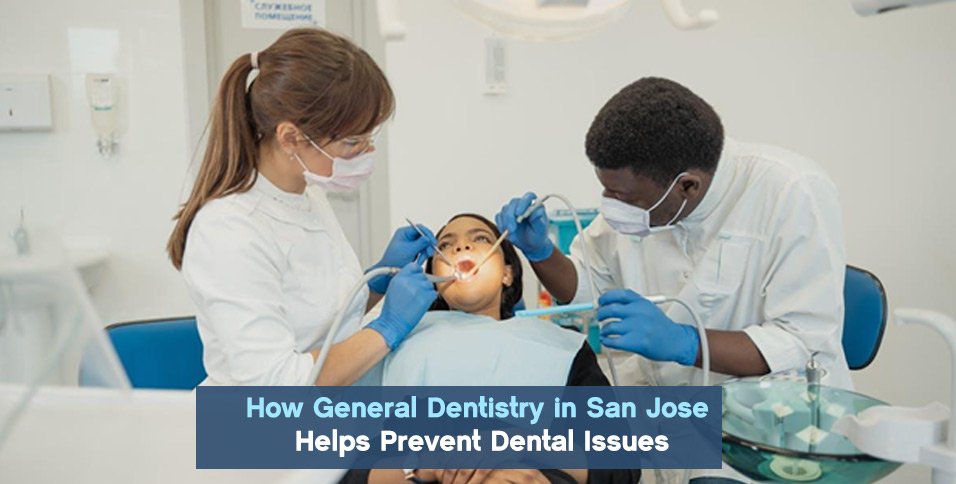
According to the American Dental Association’s 2023 oral health surveillance data, preventive dental care reduces the likelihood of major dental procedures by up to 70% — yet nearly 40% of adults postpone routine cleanings until they experience pain or discomfort. As Silicon Valley’s healthcare landscape increasingly emphasizes prevention over treatment, general dentistry has evolved from a reactive service to a proactive health strategy that intersects with everything from cardiovascular wellness to workplace productivity.
For San Jose residents navigating busy tech schedules and family commitments, this shift matters more than many realize. The connection between oral health and systemic conditions like diabetes and heart disease means that skipping routine dental care can cascade into broader health complications. Meanwhile, the local emphasis on innovation has brought advanced preventive technologies to general dental practices, making early detection and intervention more precise than ever before.
Understanding how general dentistry actively prevents dental issues — rather than simply treating them after they develop — can reshape your approach to oral health. The strategies and procedures that keep problems at bay often require far less time and cost than the extensive treatments needed once decay, gum disease, or structural damage takes hold.
Why Preventive Dentistry Matters in San Jose
The Bay Area’s high-stress lifestyle creates a perfect storm for dental problems that many residents don’t see coming. Extended work hours, frequent coffee consumption, and stress-related teeth grinding compound the normal challenges of maintaining oral health. What makes this particularly relevant in San Jose is how these lifestyle factors interact with the delayed healthcare patterns common among tech professionals — many of whom prioritize productivity over preventive care until problems become unavoidable.
Research from UC San Francisco’s dental school shows that adults who maintain regular preventive care schedules experience 60% fewer dental emergencies over a five-year period. This matters because dental emergencies don’t respect work deadlines or family schedules. The executive who skips cleanings for two years may find themselves dealing with a root canal during a product launch, or the parent focused on children’s activities may discover extensive gum disease that requires multiple appointments to address.
General dentistry’s preventive approach works by identifying issues in their earliest stages, when intervention is both simpler and more effective. Consider the difference between addressing early gum inflammation during a routine cleaning versus treating advanced periodontitis that threatens tooth stability. The former requires improved home care and professional maintenance; the latter often involves surgical intervention, bone grafting, and months of recovery.
What sets San Jose’s dental landscape apart is the integration of technology with traditional preventive care. Digital X-rays can detect decay between teeth long before it becomes visible or painful. Intraoral cameras reveal early signs of enamel erosion that might otherwise go unnoticed for years. These tools transform prevention from a general concept into precise, personalized care plans that address individual risk factors before they become active problems.
The local emphasis on family wellness also means that preventive dental care often serves multiple generations within the same household. Parents establishing good preventive habits model behavior for their children while addressing their own risk factors for age-related dental issues.
Common Procedures That Help Prevent Dental Issues
Professional cleanings form the foundation of preventive general dentistry, but they accomplish far more than surface-level plaque removal. During a thorough cleaning, dental hygienists use specialized instruments to eliminate calcified deposits that home brushing cannot address. These deposits, if left undisturbed, create environments where harmful bacteria thrive and multiply, eventually leading to gum disease and tooth decay in areas that patients can’t effectively clean themselves.
Dental sealants represent one of the most effective preventive interventions available, particularly for newly erupted permanent molars. These thin, protective coatings are applied to the deep grooves and fissures on back teeth — areas where food particles and bacteria naturally accumulate despite diligent brushing. The American Dental Association reports that sealants reduce decay risk by up to 80% in the first two years after application, with continued protection for several years beyond that initial period.
Regular dental examinations enable early detection of problems that patients cannot identify on their own. Dentists check for early signs of gum disease, examine existing fillings for wear or failure, and assess bite patterns that might indicate teeth grinding or jaw joint problems. This comprehensive evaluation often reveals issues like small cavities that can be addressed with simple fillings rather than more extensive procedures later.
Digital X-rays provide crucial information about dental health that visual examination cannot detect. These images reveal decay between teeth, show bone levels around tooth roots, and identify developing problems in areas not visible to the naked eye. Modern digital technology reduces radiation exposure while providing clearer images that help dentists make more accurate treatment decisions.
Fluoride treatments offer additional protection, particularly for individuals at higher risk for decay due to medications, medical conditions, or dietary factors. Professional-strength fluoride helps remineralize tooth enamel, making it more resistant to acid attacks from bacteria. For many patients, these treatments provide an extra layer of defense that complements daily oral hygiene efforts and extends the time between more invasive procedures.
Practical Dental Care Tips for Families and Adults
Effective home dental care goes beyond the basic brush-and-floss routine that most people learned in childhood. The timing, technique, and tools used at home can significantly impact the success of professional preventive care. Brushing within an hour after eating helps neutralize acids produced by oral bacteria, but brushing immediately after consuming acidic foods or drinks can actually damage softened enamel. The optimal approach involves rinsing with water first, then waiting 30-60 minutes before brushing.
Flossing technique matters more than frequency for most adults. Proper flossing involves gently guiding the floss between teeth and curving it around each tooth surface to remove plaque below the gum line. Many people rush through flossing or use excessive force, which can damage gums without effectively cleaning between teeth. Daily flossing with proper technique proves more beneficial than aggressive flossing multiple times per week.
Diet plays a crucial role in dental health that extends beyond avoiding obvious culprits like candy and soda. Frequent snacking, regardless of the food type, creates repeated acid attacks on tooth enamel throughout the day. Even healthy foods like citrus fruits or yogurt can contribute to enamel erosion when consumed frequently. Limiting eating occasions to three meals plus one snack, followed by water to rinse away food particles, gives saliva time to neutralize acids and remineralize teeth.
For families with children, establishing routines early creates lifelong habits while addressing the unique challenges of developing mouths. Children lack the manual dexterity to brush effectively until around age eight, requiring parental supervision and assistance longer than many families realize. Using fluoride toothpaste appropriate for the child’s age, ensuring adequate brushing time, and making dental care a positive family activity all contribute to better oral health outcomes.
Adults face different challenges, including medications that reduce saliva production, stress-related teeth grinding, and age-related changes in gum tissue. Regular use of alcohol-free mouthwash can help combat dry mouth, while custom night guards protect teeth from grinding damage. For patients seeking comprehensive preventive care, connecting with trusted general dentistry services in San Jose provides access to personalized recommendations based on individual risk factors and lifestyle considerations.
Distinguishing General Dentistry from Specialized Care
General dentists serve as the primary coordinators of oral healthcare, addressing the vast majority of dental needs while identifying situations that require specialized expertise. This distinction matters because understanding when general dental care is sufficient versus when specialty referral is necessary helps patients make informed decisions about their treatment options and timing.
Most preventive care, routine restorations, and common dental problems fall within the scope of general dentistry. General dentists diagnose and treat cavities, perform routine extractions, address gum disease in its early and moderate stages, and provide emergency care for dental injuries or infections. They also coordinate care with specialists when complex procedures require additional expertise, ensuring continuity throughout the treatment process.
Orthodontic treatment, oral surgery beyond routine extractions, advanced periodontal therapy, and complex cosmetic procedures typically require specialized training and equipment. However, general dentists often provide initial consultation and diagnosis for these conditions, helping patients understand their options before referring to appropriate specialists. This coordination prevents unnecessary specialist visits while ensuring that complex problems receive appropriate attention.
The referral process typically involves general dentists providing specialists with comprehensive records, X-rays, and treatment history, which streamlines the consultation process and prevents duplication of diagnostic procedures. Many patients benefit from returning to their general dentist for ongoing maintenance care even while receiving specialized treatment, maintaining the primary relationship that coordinates overall oral health.
For San Jose residents, this coordinated approach proves particularly valuable given the area’s emphasis on comprehensive healthcare. General dental practices often maintain relationships with local specialists, facilitating smooth transitions when advanced care becomes necessary while preserving the preventive focus that keeps most dental problems manageable.
Managing Common Dental Challenges and Emergencies
Dental pain often signals problems that have progressed beyond the early stages where simple intervention would have been effective, but understanding how to respond can prevent minor issues from becoming major complications. Sharp, intermittent pain when biting down may indicate a cracked tooth that requires immediate attention to prevent further fracturing. Constant, throbbing pain accompanied by swelling suggests infection that needs urgent care to prevent spread to surrounding tissues.
Temperature sensitivity provides important diagnostic information about the nature of dental problems. Brief sensitivity to cold often indicates early decay or worn enamel that can be addressed with fluoride treatment or simple restoration. Prolonged pain after exposure to hot or cold temperatures suggests nerve involvement that may require more extensive treatment, making prompt evaluation crucial for preserving the affected tooth.
Dental emergencies involving trauma require immediate assessment even when damage isn’t immediately visible. Teeth that have been displaced, loosened, or knocked out have the best chance of successful treatment when addressed within the first hour after injury. Sports-related dental injuries, workplace accidents, and falls can cause damage to tooth roots or surrounding bone that becomes more difficult to treat as time passes.
Prevention strategies for common dental emergencies focus on identifying and addressing risk factors before problems develop. Custom mouthguards protect teeth during sports activities and can prevent grinding damage during sleep. Regular dental examinations identify weakened teeth or large fillings that might be prone to fracture, allowing for preventive treatment before emergency situations arise.
For San Jose families and professionals, establishing relationships with dental practices that provide emergency care ensures access to prompt treatment when urgent situations develop. Understanding the difference between conditions that require immediate attention versus those that can wait for regular appointments helps patients make appropriate decisions about seeking care. The investment in consistent preventive care not only maintains oral health but also provides familiarity with dental providers who can respond effectively when unexpected problems occur.
The most effective approach to dental health combines professional preventive care with informed daily maintenance, creating a foundation that minimizes both routine problems and emergency situations. As dental technology continues advancing and our understanding of the oral-systemic health connection deepens, patients who establish strong preventive habits today position themselves for better long-term outcomes across multiple aspects of their health.