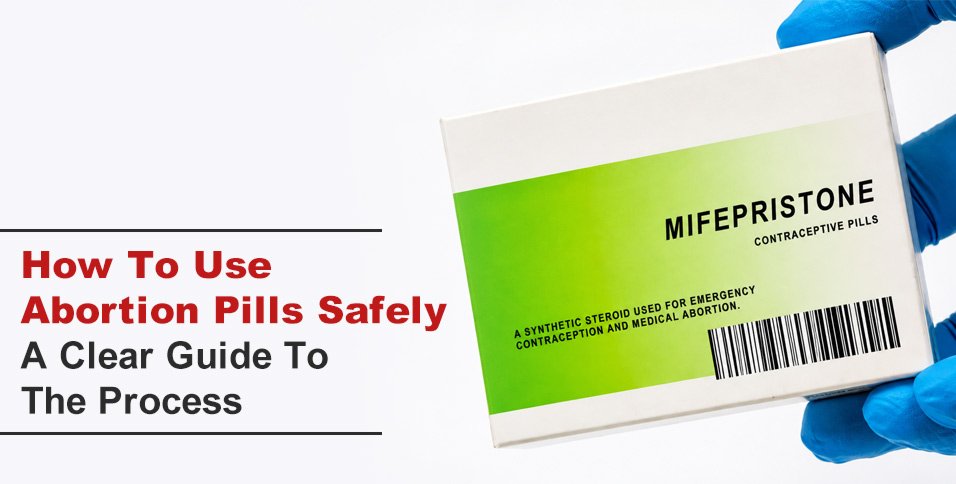
Choosing an abortion with pills can bring a mix of practical questions, emotions, and concerns about what happens next. Thus, clear, evidence-based information makes the process easier to understand and helps people recognize what is normal and when medical attention is needed.
Common methods of medical abortion include the use of Mifepristone and Misoprostol, although Misoprostol can also be used on its own. These drugs induce the termination of pregnancy by causing the uterus to contract and expel its contents.
When used as instructed during the early stages of pregnancy, medical abortion is highly effective and can even be performed at home. However, this method is only safe if the person knows the duration of the pregnancy, uses high-quality drugs in the correct doses, understands how much blood loss is normal, and has a plan in place in case of dangerous symptoms.
The following guide explains the process step by step, from preparation and medication use to recovery, follow-up, and important signs that should never be ignored.
1. Confirm The Pregnancy Duration And Make Sure The Method Is Appropriate
Understanding how to use abortion pills safely begins with knowing how far the pregnancy has progressed, since recommended regimens can vary by gestational age.
If there are no concerning symptoms and you are confident about the duration of the pregnancy, an ultrasound may not always be necessary during early pregnancy.
However, it is important to seek medical advice if the pregnancy duration is uncertain or there is concern about an ectopic pregnancy. One-sided abdominal pain, shoulder-tip pain, severe dizziness, or fainting can be warning signs of an ectopic pregnancy and require prompt medical evaluation.
2. Understand The Medicines And Use The Correct Regimen
For women who are less than 12 weeks into their pregnancy, a widely recommended method involves first administering 200 mg of Mifepristone orally, followed 24-48 hours later by 800 micrograms of Misoprostol by mouth, under the tongue, or through the vagina.
In the absence of Mifepristone, it is possible to resort to the use of Misoprostol only. One regimen is 800 micrograms of Misoprostol every 3 hours for 3 doses, for a total of 12 pills if each pill contains 200 micrograms. Since methods vary for pregnancies further along, anyone who is at least 12 weeks pregnant must consult individually.
3. Prepare Before Taking The Pills
Planning can help make the procedure much easier. Pick a spot where you will have some peace, privacy, and access to the bathroom.
Ensure you have your sanitary towels at hand so that you can measure the amount of bleeding, along with water, food, a thermometer, and your pain medication.
Generally, ibuprofen is taken for cramps unless you cannot use nonsteroidal anti-inflammatory medications. Aspirin is not recommended because it increases blood flow. Make sure you have someone you can contact if needed, and, above all, know where to access medical assistance.
4. Know What To Expect After Misoprostol
After using Mifepristone, most people experience minimal side effects, but some may have light bleeding or nausea. The side effects of Misoprostol are often more intense since it works by inducing uterine contractions.
Cramps and bleeding may start a few hours later, but not always. There might be heavy bleeding that is more than what is normally experienced during menstruation; this is accompanied by clots or fetal material.
Other symptoms experienced are nausea, vomiting, diarrhea, headaches, dizziness, fever, and chills. Since individual experiences differ, symptoms such as bleeding or cramps do not necessarily indicate that the procedure was successful.
5. Recognize Warning Signs That Need Medical Care
Although serious problems are rare, being aware of the warning signs is crucial. Seek urgent help if you need to use more than two sanitary pads per hour for two consecutive hours, if you experience severe pain that does not improve with pain medication, or if you have difficulty breathing or swelling.
Fever at 38°C or above occurring within 24 hours or continuing after the last Misoprostol pill can be a sign of infection, especially if you feel worse or if your vaginal discharge smells bad.
Also, very bad abdominal pain, fainting, dizzy spells, or shoulder pain are signs that require immediate help because you may be having an ectopic pregnancy or internal bleeding.
6. Confirm Recovery And Follow Up Appropriately
Bleeding will generally become less profuse after the pregnancy, though spotting may persist for days or weeks. Symptoms of pregnancy, such as morning sickness, should become more tolerable within a few days, though breast tenderness may take longer.
A home pregnancy test may still come up positive as hormones slowly decrease, and thus waiting for about four to five weeks should yield more helpful results. An ultrasound is not required after an uncomplicated drug-induced abortion, though consultation may be warranted in cases where pregnancy symptoms persist, minimal bleeding, worsening pain or bleeding, and persistent positive pregnancy test results.
Fertility can return quickly, so contraception can be started immediately if another pregnancy is not desired.
Conclusion
Taking abortion pills involves more than taking medication. It requires careful preparation and understanding of the pregnancy length. It also involves choosing the right regimen and using quality medication. Preparing for cramping and bleeding is important.
Knowing the warning signs and following up afterward can support a safe recovery.