Globally, about 118.5 million blood donations are collected annually. However, many people view blood donation as a purely selfless act that only helps the recipient. Very few people know about the health benefits of donating blood for the donor, too.
Currently, healthcare institutions face a growing global demand for safe blood supplies to handle medical emergencies daily. A single decision to participate in blood donation directly reduces this ongoing pressure and ensures that hospitals never run out of critical supplies.
To honor voluntary blood donors who give the gift of life, every year, the world celebrates “World Blood Donor Day” on 14th June. This day serves as a vital reminder that millions of patients rely on the generosity of blood donors. Therefore, this special day is the right time to know how blood donation benefits the donor’s health.
In this article, we will explore how this simple gesture of blood donation boosts physical as well as emotional wellness. Read on to discover the amazing health benefits of donating blood and see why your contribution matters so much.
The Importance of Blood Donation
Despite major medical breakthroughs in 2026, scientists cannot manufacture human blood synthetically. Consequently, patients in critical care must rely entirely on regular blood donations from generous individuals. Statistics show that someone in the world needs blood every two seconds for survival.
Hospitals require a steady supply of blood products to manage a wide range of urgent medical scenarios. For example, medical teams depend on blood reserves during the following critical situations:
- Trauma and Accidents: Emergency victims often require multiple units of blood within minutes.
- Major Surgeries: Complex operations require a guaranteed blood supply to protect patient safety.
- Cancer Treatment: Patients undergoing chemotherapy require blood products to support their recovery.
- Childbirth Complications: Severe blood loss during labor requires immediate, life-saving transfusions.
- Chronic Blood Disorders: Individuals managing lifelong conditions like thalassemia rely on consistent transfusions.
Modern processing centers separate donated blood into red cells, plasma, and platelets. As a result, a single contribution can save up to three lives simultaneously. This reality highlights the need for consistent donations rather than just emergency-only responses.
Top Health Benefits of Donating Blood for Donors’ Health
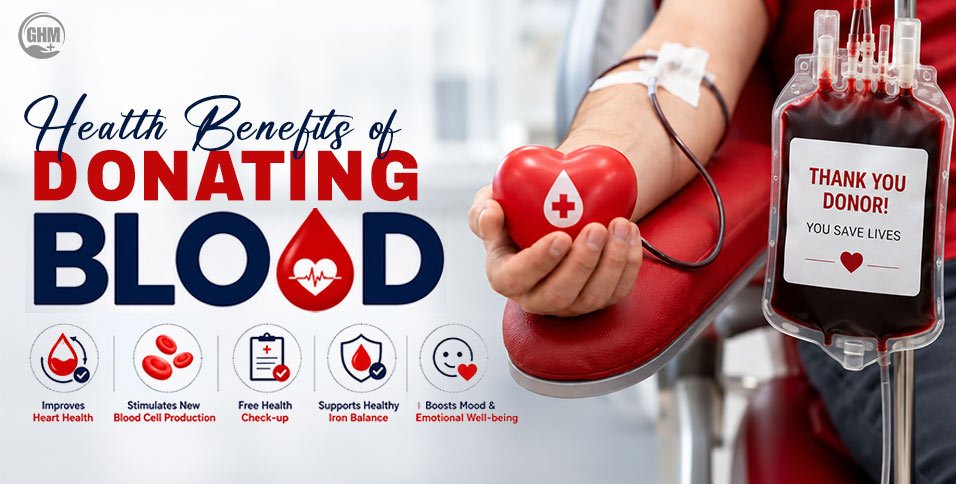
1. Supports Healthy Iron Balance
The human body sometimes stores more iron than it actually requires. Because excess iron can damage internal organs, regular blood donation acts as a natural filtering mechanism. The process safely reduces extra iron stores, helping you avoid long-term toxicity.
2. Encourages New Blood Cell Production
When a blood donor completes a donation, their body immediately notices the reduction in volume. Consequently, their bone marrow works dynamically to produce fresh red blood cells and plasma. This rapid rejuvenation keeps the donor’s circulatory system highly efficient and healthy.
3. Provides a Free Health Screening
Before a person can give blood, a trained staff member conducts a mini-physical exam. They thoroughly evaluate the donor’s vital signs to ensure the donor is fit for the procedure. This health checkup before blood donation includes:
- Pulse and heart rate
- Blood pressure levels
- Body temperature
- Hemoglobin levels
Furthermore, lab technicians screen donors’ blood for major infectious diseases like hepatitis, HIV, and syphilis. Thus, the screening gives you excellent, cost-free insight into your current medical status.
4. May Support Cardiovascular Health
Medical research on the connection between blood donation and heart health continues to evolve. Some clinical studies suggest that lowering high iron levels reduces oxidative stress on blood vessels. Regular blood donations can keep blood donors’ arteries flexible and may lower their overall risk of suffering a heart attack.
5. Promotes Emotional Well-Being
The health benefits of blood donation can extend to heart health. The psychological rewards of giving back are deeply rooted in human biology. According to data published by the Mental Health Foundation, helping others actively reduces our stress levels. Additionally, volunteering provides a profound sense of purpose, combats social isolation, and eliminates negative feelings.
6. Encourages Healthy Lifestyle Habits
Becoming a regular blood donor requires you to pay closer attention to your daily choices. Because you want to pass the health screening, you remain motivated to eat nutritious foods and stay active.
This continuous health awareness naturally helps you maintain excellent health habits over time.
Health Benefits of Donating Blood for Society & Public Health
A robust voluntary blood donation network forms the backbone of global public health safety. When citizens donate regularly, they heavily strengthen emergency preparedness for unexpected disasters or local crises. This collective effort allows hospitals to maintain adequate blood inventories without facing dangerous shortages.
Moreover, regular donation drives build a beautiful culture of volunteering and shared civic responsibility. The impact of blood donation is vital in low-resource and developing regions where access to safe blood is historically limited. By participating in blood donations, donors directly protect vulnerable populations who lack advanced medical infrastructure.
Who Can Donate Blood?
Most healthy adults can successfully participate in voluntary blood donation programs. However, they must meet specific blood donor eligibility requirements to ensure safety for everyone. The standard baseline criteria include:
| Criteria | Standard Requirement |
| Age Range | Generally, 17 to 65 years old |
| Minimum Weight | At least 50 kg (110 pounds) |
| Hemoglobin Level | Minimum 12.5 g/dL for women and 13 g/dL for men |
| General Health | Free from active infections and chronic diseases |
Sometimes, medical staff will ask the generous person to postpone their donation temporarily. Common temporary restrictions for donating blood apply if they have a cold, are pregnant, or recently received a tattoo. It is highly encouraged to check with the local blood bank to review their specific updated guidelines.
How to Prepare For A Successful Blood Donation
Following practical blood donation preparation tips ensures a completely comfortable and safe experience.
What To Do Before Donating Blood
- Stay Hydrated: Drink plenty of water, adding an extra 16 ounces right before your visit.
- Eat Smart: Consume a nutritious, low-fat meal packed with iron-rich ingredients.
- Get Rest: Sleep soundly the night before to keep your energy steady.
- Avoid Subscriptions: Refrain from consuming alcohol or smoking for at least 24 hours.
What To Do After Donating Blood
- Rest Quietly: Sit down and relax for 10 to 15 minutes before leaving the clinic.
- Replenish Fluids: Continue drinking extra fluids throughout the remainder of the day.
- Choose Iron Foods: Eat spinach, lentils, or eggs to help your body rebuild stores.
- Skip the Gym: Avoid strenuous exercise or heavy lifting for a full 24 hours.
Common Myths About Blood Donation
Myth 1: Blood donation causes long-term weakness.
Fact: Blood donation does not cause long-term weakness. The body replaces lost plasma within 24 hours and red cells within a few weeks. Therefore, any minor lightheadedness fades quickly with proper hydration and rest.
Myth 2: Donating blood is unsafe.
Fact: Donating blood is completely safe. Certified medical centers exclusively use sterile, single-use equipment for every single donor. Consequently, there is absolutely zero risk of contracting an infectious disease from donating.
Myth 3: One donation does not make a difference.
Fact: According to the World Health Organization (WHO), a single person’s blood donation can save up to three lives. Every single pint matters tremendously to patients in intensive care.
Myth 4: Older adults cannot donate blood.
Fact: Healthy individuals up to age 65 can safely donate blood. As long as the person passes the medical screening, their old age will not hold them back.
One Drop of Humanity Creates a Lifelong Impact
The health benefits of donating blood extend far beyond the donation chair. Every donation supports patients facing surgeries, treatments, traumatic injuries, chronic illnesses, and medical emergencies. At the same time, donors gain valuable health screenings and contribute to community well-being.
While helping someone in severe need of blood, you protect yourself.
As we honor World Blood Donor Day, let’s turn awareness of blood donation into real, life-saving action. A safe and reliable blood supply depends on ordinary people making an extraordinary difference. If you meet the eligibility criteria, please schedule an appointment at your local clinic today. Experience the many health benefits of donating blood while making a lasting impact on someone’s life.
Frequently Asked Questions
1. Which blood types are most needed by hospitals?
All blood types are important, but O-negative blood is especially valuable as it can be used in emergencies when a patient’s blood type is unknown. AB plasma is also highly sought after because it can be given to patients of any blood type.
2. Is there a best time of day to donate blood?
There is no universally “best” time to donate blood, but many donors feel most comfortable donating after a healthy meal and adequate hydration. Morning donations may help some individuals avoid fatigue later in the day.
3. How long can donated blood be stored after donation?
Blood components have different shelf lives. Red blood cells can generally be stored for several weeks, while platelets have a much shorter storage period. This is why regular donations are needed throughout the year.
4. Can I donate blood every 3 months?
Yes, you can typically donate whole blood every three months. However, the exact minimum wait time depends on your geographic location, local health guidelines, and the type of blood donation you are making.