Nestlé is using artificial intelligence and nutritional science to develop foods for people taking GLP-1 weight-loss medicines, creating a new market around changing eating habits. Nestlé AI-made GLP-1 foods aim to address nutritional needs linked to rapid weight loss while helping Nestlé adapt to the growing use of obesity drugs like Ozempic and Wegovy.
Due to this market shift, Nestlé has already launched a food brand, Vital Pursuit, in 2024 for GLP-1 users and people focused on weight management. The line includes portion-aligned foods that provide protein, fiber and essential nutrients.
Nestlé Chief Technology Officer Stefan Palzer told Reuters that the company is using AI to analyze clinical research, identify nutrient combinations and develop products tailored to GLP-1 users. “We are well positioned with the portfolio. It’s a huge opportunity for our company,” he said.
The Development of New Nestlé AI-Made GLP-1 Foods
AI is becoming a central part of Nestlé’s product-development process. The company uses internal systems to process scientific literature, simulate consumer behavior, identify trends, and assess recipes.
One tool, called Food Genie, helps researchers and product developers work with a database containing about 120,000 recipes. It can help predict how recipes may perform and identify opportunities for reformulation.
Nestlé is also testing AI-based consumer simulations to predict how shoppers may respond to new products and health claims before those products reach stores. Its systems can also monitor social media to identify emerging consumer trends.
This technology gives Nestlé AI-made GLP-1 foods a broader role than simply reformulating existing products. Nestlé is using AI to connect scientific research, recipe development and consumer behavior.
Nestlé AI-Made GLP-1 Foods Address Side Effects
Rapid weight loss can involve the loss of lean muscle mass. Nestlé says its scientists are therefore investigating nutrient combinations that may help support muscle tissue.
Nestlé has also added collagen protein to products under its Vital Proteins brand, targeting concerns involving skin, hair and nails during rapid weight loss.
In the United States, Nestlé already markets Boost Advanced Nutrition Shake, which contains 35 grams of protein and is positioned to support muscle health during weight loss. In Asia and Australia, the company has introduced Milo PRO High Protein, a higher-protein version of its malt beverage.
Nestlé has also patented proprietary ingredient combinations intended to address increased hunger that some consumers may experience after stopping GLP-1 treatment.
Nestlé’s Food for Obesity Drug Users Targets a Growing Market
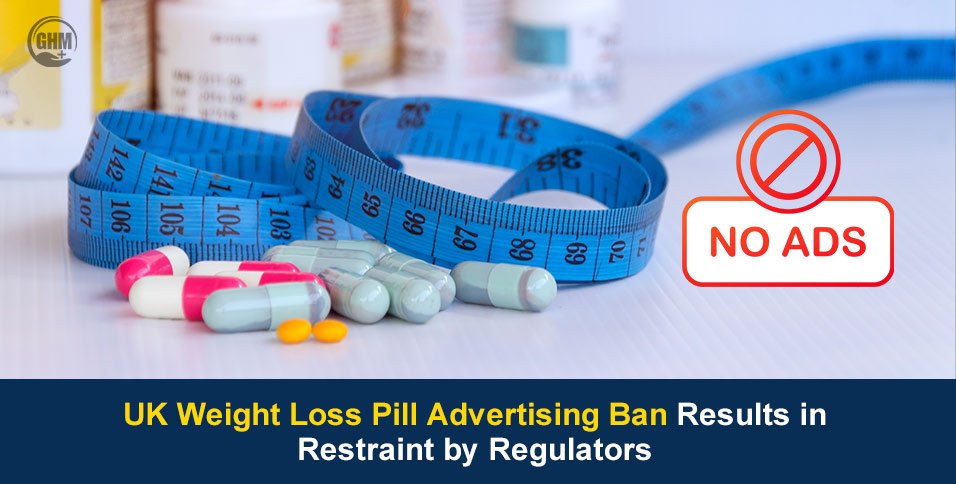
GLP-1 medicines are a class of drugs that can reduce appetite and support weight loss. The market is led by products including Eli Lilly’s Mounjaro and Zepbound and Novo Nordisk’s Wegovy and Ozempic.
The rapid growth has raised concerns among food companies because appetite-suppressing medicines can reduce demand for packaged foods, snacks and beverages. Nestlé is instead seeking to build products around the nutritional requirements of people whose food intake changes during weight loss.
Nestlé’s Vital Pursuit Leads Its GLP-1 Food Strategy
Nestlé’s Vital Pursuit, a food brand for GLP-1 users and people focused on weight management, includes portion-aligned foods that provide protein, fiber and essential nutrients.
Vital Pursuit’s products include frozen meals such as:
- Whole-grain bowls
- Protein pasta
- Sandwich melts
- Pizzas
Nestlé said the GLP-1 food range was designed to provide convenient food options while supporting consumers who are paying greater attention to portion size and nutrient balance. The company initially planned 12 products, with several options designed for air fryers and others available in gluten-free formats.
Nestlé is now expanding beyond portion-controlled meals. Its scientists are studying the effects of rapid weight loss and developing obesity drug products that could support muscle health, hydration, and nutritional intake.
Effects of Nestlé AI-made GLP-1 Foods on the Food Industry
Nestlé’s approach shows how weight-loss medicines are influencing industries beyond healthcare. As GLP-1 use expands, food manufacturers are exploring high-protein products, smaller portions, functional nutrition, and new ways to meet changing consumer preferences.
Nestlé AI-made GLP-1 foods represent an attempt to turn a potential disruption to traditional food demand into a new growth opportunity. The company’s combination of AI, nutritional research, and existing brands could shape how packaged foods evolve as obesity medicines become more widely used.