Introduction
Telemedicine has transformed healthcare delivery across multiple specialties, and medical aesthetics is no exception. One area experiencing significant change is the Good Faith Exam (GFE), a critical clinical assessment conducted before many aesthetic treatments. As patient expectations evolve toward greater convenience and accessibility, med spas are increasingly adopting telemedicine-based Good Faith Exams to support safe and efficient care delivery.
Virtual GFEs allow qualified healthcare providers to assess patients remotely while maintaining essential clinical oversight. For med spa owners and healthcare professionals, telemedicine offers opportunities to streamline operations, expand access to care, and adapt to changing regulatory requirements. However, the shift also raises important considerations regarding patient safety, provider qualifications, and compliance.
This article explores how telemedicine is reshaping Good Faith Exams and what this evolution means for modern aesthetic practices.
What Is a Good Faith Exam?
A Good Faith Exam is a medical evaluation performed by a licensed healthcare provider to determine whether a patient is an appropriate candidate for aesthetic treatment. The examination typically includes reviewing medical history, identifying contraindications, discussing treatment goals, and establishing a treatment plan.
The primary objective of a GFE is to protect patient safety by ensuring that cosmetic procedures are performed under appropriate medical supervision.
Core Components of a GFE Exam
A comprehensive Good Faith Exam generally includes:
- Review of the patient’s medical history
- Assessment of current medications and allergies
- Evaluation of treatment suitability
- Discussion of risks, benefits, and alternatives
- Documentation of informed consent
- Development of an individualized treatment plan
Although requirements vary by state, many jurisdictions recognize telemedicine as an acceptable method for conducting GFEs when regulatory standards are met.
The Growing Role of Telemedicine in GFEs
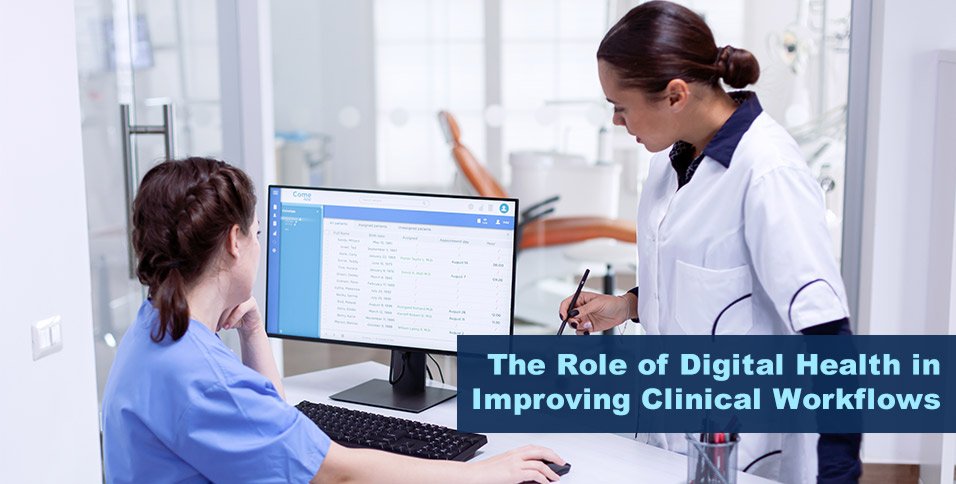
Telemedicine enables healthcare providers to conduct Good Faith Exams remotely using secure video technology. This approach has become increasingly valuable as med spas seek to improve patient convenience while maintaining high standards of care.
Telehealth utilization remains significantly higher than pre-pandemic levels, reflecting lasting changes in patient preferences for more accessible and convenient healthcare services.
Telemedicine has evolved beyond being a temporary alternative to in-person care and is now widely recognized as an important component of modern healthcare delivery.
Good Faith Exam Nurse Practitioner Jobs
The expansion of telemedicine has created new professional opportunities for nurse practitioners (NPs) within the medical aesthetics industry.
How Nurse Practitioners Support Virtual GFEs
Qualified nurse practitioners may conduct Good Faith Exams depending on state regulations and collaborative practice requirements. Their responsibilities often include:
- Reviewing patient histories remotely
- Determining candidacy for aesthetic procedures
- Identifying potential contraindications
- Providing patient education
- Collaborating with supervising physicians when required
Demand for Telehealth-Enabled Aesthetic Providers
As med spas increasingly adopt virtual care models, demand for clinicians experienced in telemedicine continues to grow. Good faith exam nurse practitioner jobs often offer flexibility while allowing providers to support multiple practices across broader geographic areas.
Healthcare professionals pursuing careers in aesthetic medicine may find telehealth competencies becoming increasingly valuable skills within the evolving marketplace.
Skills Required for Telemedicine-Based GFE Roles
Successful providers conducting virtual GFEs should demonstrate:
- Strong clinical assessment abilities
- Knowledge of aesthetic procedures and complications
- Understanding of telehealth regulations
- Effective virtual communication skills
- Competency in electronic health documentation
Good Faith Exam Companies
The growing need for efficient and compliant Good Faith Exams has contributed to the emergence of specialized good faith exam companies that support medical aesthetic practices.
These organizations connect med spas with licensed healthcare providers who conduct evaluations through telemedicine platforms.
Services Typically Offered by Good Faith Exam Companies
Many providers offer comprehensive support services, including:
- Telemedicine-based patient evaluations
- Regulatory compliance guidance
- Electronic documentation systems
- Scheduling and workflow integration
- Provider network management
Comparison of Traditional vs. Telemedicine GFEs
| Factor | Traditional In-Person GFE | Telemedicine GFE |
| Patient Convenience | Limited by location | High accessibility |
| Scheduling Flexibility | Moderate | Enhanced availability |
| Operational Efficiency | Manual coordination | Streamlined workflows |
| Provider Reach | Local providers only | Broader provider networks |
| Documentation Integration | Variable | Often digitized |
| Regulatory Considerations | Established standards | State-specific telehealth requirements |
Real-World Example
A multi-location med spa group implementing telemedicine GFEs may reduce appointment bottlenecks by enabling remote providers to perform evaluations across several sites. This can improve patient throughput while preserving appropriate clinical oversight.
However, experts emphasize that convenience should never compromise safety standards or regulatory compliance.
Qualiphy Telehealth
Qualiphy telehealth platforms illustrate how technology is being used to facilitate virtual Good Faith Exams within medical aesthetics.
These solutions aim to connect patients with licensed providers while supporting documentation and workflow management for med spas.
How Telehealth Platforms Enhance Operations
Telehealth solutions can help practices:
- Reduce delays in patient onboarding
- Improve scheduling efficiency
- Support documentation consistency
- Increase access to qualified providers
- Enhance the overall patient experience
Patient Access Benefits
Patients increasingly value convenience in healthcare interactions. Virtual GFEs allow individuals to complete required evaluations from home, reducing travel time and scheduling challenges.
Potential advantages include:
- Faster access to consultations
- Greater flexibility for working professionals
- Expanded access in underserved areas
- Improved continuity of care
Maintaining Clinical Oversight
Despite operational advantages, telemedicine-based Good Faith Exams require robust clinical governance.
Best practices include:
- Verifying provider licensure requirements
- Using secure, HIPAA-compliant technology
- Maintaining comprehensive documentation
- Establishing clear escalation pathways for complex cases
- Monitoring state-specific regulatory updates
Discussions around patient safety in medical aesthetics continue to emphasize that telehealth should enhance, not replace, sound clinical judgment and established standards of care.
Patient Safety and Regulatory Considerations
As telemedicine adoption increases, regulatory frameworks continue to evolve.
Requirements governing Good Faith Exams differ considerably among states and may address:
- Eligible providers authorized to perform GFEs
- Telemedicine standards and technology requirements
- Supervisory physician involvement
- Documentation expectations
- Informed consent procedures
Best Practices for Med Spa Leaders
Healthcare leaders can support safe telemedicine implementation by:
- Regularly reviewing applicable state regulations
- Developing standardized telehealth protocols
- Providing staff education and training
- Conducting periodic compliance audits
- Prioritizing patient-centered communication
Balancing innovation with clinical responsibility remains essential for sustainable growth.
Data-Backed Insights on Telemedicine Adoption
Several trends highlight the growing role of telemedicine in healthcare delivery:
- Telehealth utilization remains substantially above pre-pandemic levels across outpatient care settings.
- Consumer surveys consistently show strong preferences for convenient virtual healthcare options.
- Healthcare organizations increasingly view telemedicine as a strategic tool for improving operational efficiency.
- Medical aesthetics practices continue exploring digital solutions to support patient access and practice scalability.
These trends suggest that virtual Good Faith Exams may remain an important component of modern med spa operations.
Conclusion
Good faith exam telemedicine is reshaping how medical aesthetics practices deliver care. By improving patient access, supporting operational efficiency, and expanding provider availability, virtual GFEs offer meaningful opportunities for med spas navigating an increasingly digital healthcare landscape.
However, successful implementation depends on maintaining rigorous clinical oversight, prioritizing patient safety, and adapting to evolving regulatory requirements. As technology continues to influence healthcare delivery, med spa leaders face an important question: How can they leverage innovation to enhance the patient experience while preserving the highest standards of care?