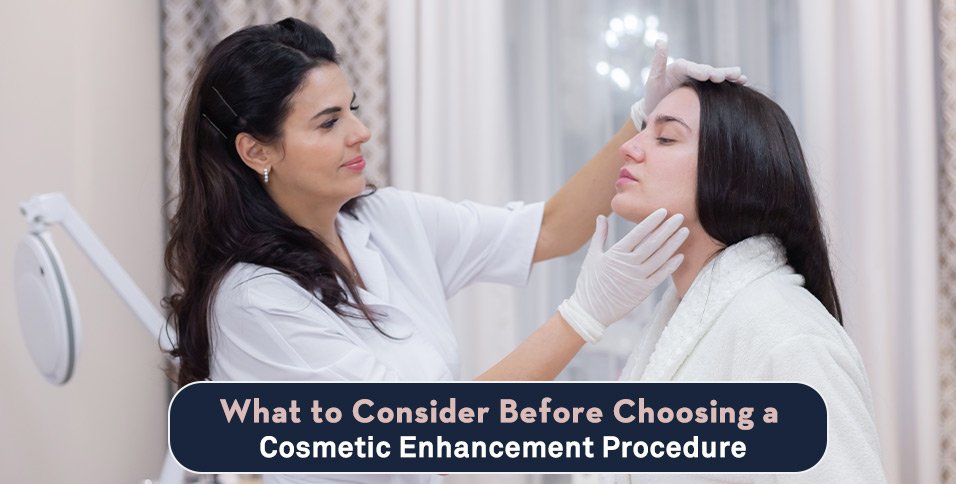
You may feel confused about which cosmetic enhancement is right for you. Many procedures have clear risks and set recovery times that affect results. This post will explain what to check before you book, from health to cost.
Read on to make a safe choice.
Define Your Goals for the Procedure
Define your aesthetic goals clearly. List the changes you want and the ones you do not want. Include whether you prefer surgical or non-surgical enhancement.
Discuss goals during a consultation with a qualified practitioner. State your budget, recovery limits, and expectations for results. Ask about the provider’s qualifications and past procedures.
Evaluate Your Eligibility
Consider your health before choosing a procedure. Think about what you want to achieve and if it matches your current state.
Health considerations
Tell your surgeon about chronic conditions, such as diabetes, heart disease, and immune disorders. List all medicines and supplements you take. Stop smoking before surgery to lower the risk of infections and poor healing.
Share any allergies and past surgical problems during the consultation.
Your provider may order blood work, an EKG, or imaging tests. Follow preoperative instructions to protect patient safety and aid recovery. Discuss anesthesia options with a qualified practitioner and ask about possible side effects.
Plan for help at home after the procedure and set up scheduled follow up visits.
Realistic expectations
Set clear, measurable goals for your outcome. Understand that cosmetic surgery and non-surgical treatments can improve features but cannot create perfection. Surgeons and dermatologists assess realistic results based on your anatomy, health, and the specific procedure.
Plan for recovery time, follow-up visits, and possible touch-ups. A thorough consultation lets you match procedures to your expectations, budget, and recovery needs. Patient safety and provider qualifications shape what results you should expect.
Research the Procedure in Detail
Learn about the procedure you are considering. Know its risks and recovery time to make an informed choice.
Potential risks and complications
Cosmetic enhancement procedures come with risks and complications. These may include infection, scarring, or allergic reactions to anesthesia. Some patients experience dissatisfaction with their results, which is a common concern.
Complications can arise during surgery or in recovery. Serious issues like blood clots or nerve damage are rare but possible.
Experts recommend discussing these risks during your consultation. An informed decision helps manage expectations before the procedure. Understanding potential complications allows you to weigh your options carefully.
Expected recovery time
Potential risks and complications can affect recovery. Recovery time depends on the type of procedure. Surgical options often require more time than non-surgical treatments. For example, major surgeries may need weeks to heal.
Non-invasive procedures usually involve less downtime.
Patients should follow aftercare instructions closely for best results. Some swelling or bruising may occur after treatment, which is normal. Most people can return to daily activities within a few days of minor procedures.
Always discuss expected recovery with your provider before starting any enhancement surgery or treatment. If you’re considering Philadelphia plastic surgery, scheduling a consultation with a board-certified provider in your area is the best way to get personalized guidance on recovery timelines. It is vital to choose a provider who prioritizes patient care to ensure a safe and satisfactory experience.
Choose a Qualified Provider
Choose a qualified provider for your cosmetic procedure. Check their credentials and board certification to ensure they have the right training and experience.
Ensure board certification
Check if your provider has board certification. This means they have the right training and skills for cosmetic surgery. Certification shows that a doctor meets high standards in their field.
It helps ensure you are getting safe and quality patient care.
Ask about their experience with similar procedures too. A qualified provider should have a good track record of happy patients. Read reviews and seek recommendations to learn more about their work in aesthetic treatments or cosmetic surgery.
Review the provider’s experience and credentials
Choosing a cosmetic enhancement provider is crucial for your procedure. Their experience and credentials matter a lot.
- Check how long the provider has been in practice. Experience can help them handle different situations well.
- Look into their special training. Ensure they have gone through specific education for the procedure you want.
- Find out if they have experience with similar cases. A provider who has done many similar procedures may achieve better results.
- Ask about any advanced certifications. Certain qualifications show extra expertise in aesthetic treatments.
- Read reviews from other patients. Experiences shared by previous clients can give an idea of what to expect.
- Confirm their membership in professional organizations. Membership may indicate ongoing education and commitment to high standards.
- Inquire about their success rates with past patients. High success rates often reflect skill and reliability in performing cosmetic surgery.
- Assess how they stay updated on industry trends and techniques. A committed practitioner continues to learn about new methods and safety measures.
- Evaluate their approach during consultations. An attentive provider will listen, answer questions, and address your concerns seriously.
Take time to review these factors carefully before making your choice of a practitioner for cosmetic enhancements or beauty procedures.
Assess the Facility and Technology
When choosing a cosmetic procedure, check the facility’s standards. Ensure it is accredited and uses modern technology for safety and effectiveness.
Accredited surgical facility
An accredited surgical facility meets strict safety and quality standards. These facilities undergo regular inspections to ensure they provide the best care possible for patients. Look for places that have accreditation from recognized organizations. This shows their commitment to high patient safety and surgical practices.
Advanced equipment is also important. Facilities should use modern tools and technology to enhance outcomes. Safety protocols protect patients during procedures. Always check the facility’s credentials before deciding on your cosmetic procedure. A safe environment can help you feel more at ease with your choice.
Advanced equipment and safety protocols
Select a facility with advanced equipment. This type of technology can help improve results and enhance safety. High-quality tools reduce the chances of complications. Staff should adhere to strict safety protocols to protect patients during procedures.
A clean and accredited surgical space is essential. It ensures that you receive proper care. Inquire about the protocols they have in place for patient safety. Your health matters, so choose wisely regarding cosmetic enhancement surgery or treatments.
Understand the Costs Involved
Know the full cost before you commit.
| Cost Item | Typical Range (USD) | What It Covers | Examples and Tips |
|---|---|---|---|
| Surgeon fees | $2,000 to $15,000 | Surgeon planning and operation time | Ask for a detailed fee list. |
| Anesthesia costs | $500 to $2,000 | Anesthesiologist services and medications | Confirm anesthesia type in advance. |
| Facility charges | $600 to $3,000 | Operating room use and staff | Check that the site is accredited. |
| Preoperative testing | $50 to $500 | Blood work, EKG, imaging | Bundle tests to save money. |
| Postoperative care | $100 to $1,500 | Follow-up visits and dressings | Schedule follow ups before surgery. |
| Medications and supplies | $20 to $400 | Pain meds, antibiotics, compression garments | Bring a list of covered items. |
| Revision or complication fees | $1,000 to $10,000 | Additional surgery or extended care | Ask about revision policies. |
| Recovery time costs | Varies by income | Lost wages and childcare | Plan leave and backup care. |
| Insurance coverage | Often none | Cosmetic procedures usually are elective | Check for coverage for complications. |
| Financing options | 0% to 30% APR | Payment plans and medical credit cards | Compare APR and terms carefully. |
| Hidden expenses | $50 to $1,000+ | Travel, parking, unexpected meds | Create a contingency fund. |
| Written cost estimate | No charge | Itemized quote from provider | Request a full written estimate. |
Plan for Recovery Time and Aftercare
After understanding the costs involved, it’s time to think about recovery and aftercare. Proper planning helps ensure a smooth healing process.
- Choose a recovery period that fits your procedure. Some surgeries need more time than others.
- Follow your provider’s instructions carefully. This guidance is crucial for a successful recovery.
- Arrange for help at home if needed. You may require assistance with daily tasks during your healing phase.
- Schedule follow-up appointments with your provider. These visits monitor your progress and address any concerns.
- Prepare for changes in daily activities. Exercise routines, work schedules, and social plans may need adjustments.
- Stock up on supplies before surgery. Gather medications, ice packs, and comfortable clothing to aid in recovery.
- Keep track of any symptoms or issues during recovery. Report unusual signs to your healthcare provider promptly.
- Stay hydrated and eat nutritious meals after surgery. Good nutrition speeds up the healing process.
- Avoid strenuous activities until cleared by your provider. Follow their advice to prevent complications.
Taking these steps will help you recover well from cosmetic surgery or enhancements like dermatology procedures or aesthetic treatments.
Conclusion
Choosing a cosmetic enhancement procedure is a big decision. You must think carefully about your goals and health. Take time to research options and providers. Find someone qualified who makes you feel comfortable.
Plan for recovery too, as it is just as important as the procedure itself. Make informed choices for the best results.