Substance use disorder affects millions of individuals and families and remains one of the most significant public health challenges worldwide. Research increasingly recognizes addiction as a chronic but treatable medical condition that can affect brain function, behavior, physical health, and emotional well-being. Organizations including the U.S. Centers for Disease Control and Prevention (CDC), the National Institute on Drug Abuse (NIDA), and the Substance Abuse and Mental Health Services Administration (SAMHSA) emphasize that recovery often requires ongoing support rather than a single episode of care.
Because addiction affects each person differently, treatment outcomes improve when care is individualized. Factors such as mental health history, medical conditions, social support, and substance use patterns all influence what type of intervention may be most effective. For this reason, healthcare professionals increasingly recommend beginning treatment with a comprehensive assessment rather than assuming one program or level of care is appropriate for everyone.
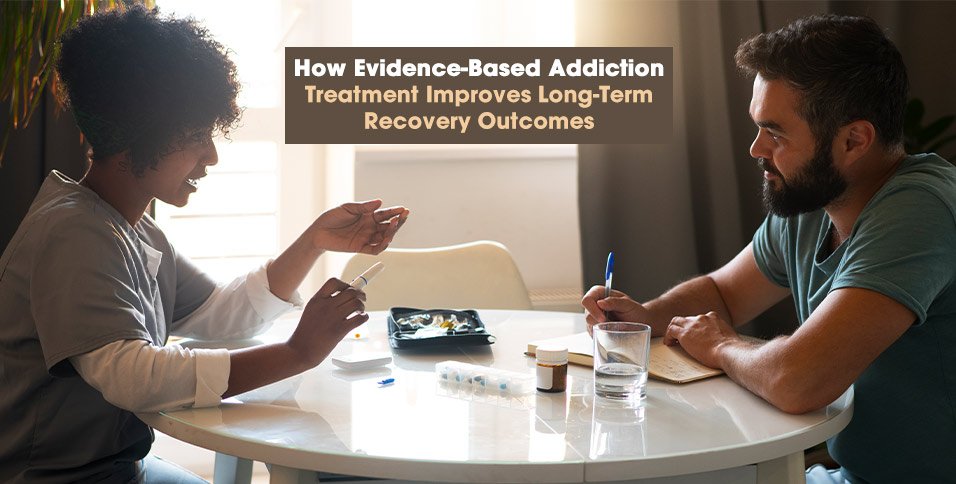
An evidence-based approach uses scientific research, clinical expertise, and patient preferences to guide treatment decisions. This individualized process can improve treatment engagement, support long-term recovery, and help patients develop sustainable strategies for managing their condition over time.
Why Evidence-Based Care Produces Better Outcomes
Healthcare has increasingly shifted toward treatment models that prioritize measurable outcomes and individualized planning. The same principles apply to substance use disorder treatment. Findings supported by NIDA suggest that interventions grounded in scientific evidence are associated with improved retention in treatment and better long-term recovery outcomes.
At the center of evidence-based addiction treatment is the understanding that no two individuals experience addiction in exactly the same way. Effective care considers biological, psychological, social, and environmental influences that contribute to substance use and recovery.
Clinical decision making also benefits from multidisciplinary care. Addiction medicine physicians, therapists, nurses, case managers, and behavioral health specialists often collaborate to develop individualized treatment plans. This team-based approach allows providers to address co-occurring disorders, monitor progress, and adjust interventions as a patient’s needs evolve.
Evidence-based care also emphasizes measurable patient outcomes. Improvements in physical health, emotional functioning, employment stability, and social relationships can all serve as indicators of recovery progress. By evaluating outcomes throughout treatment, clinicians can make informed decisions that support continued engagement and long-term success.
Comprehensive Assessment Determines the Right Level of Care
A comprehensive assessment is often the foundation of effective treatment planning. Rather than immediately assigning a particular program, clinicians gather information to understand the individual’s unique circumstances and clinical needs.
This process commonly includes several components that help clinicians understand an individual’s overall health and recovery needs:
- A biopsychosocial assessment that evaluates physical health, emotional well-being, social relationships, and environmental factors.
- A medical evaluation that may identify chronic health conditions or withdrawal risks that influence treatment recommendations.
- Mental health screening to identify co-occurring disorders such as anxiety, depression, or trauma-related conditions that may affect recovery.
Substance use history also plays an important role in clinical decision making. Providers often examine patterns of use, prior treatment experiences, relapse history, and potential triggers that may contribute to continued substance use.
Family dynamics and social support systems are equally important considerations. Stable housing, employment responsibilities, and interpersonal relationships can all influence treatment engagement and the type of support a person may need.
The American Society of Addiction Medicine (ASAM) developed the ASAM Criteria to help clinicians determine the most appropriate level of care based on multiple dimensions of a person’s health and recovery needs. These guidelines recognize that effective treatment requires individualized placement decisions rather than a one-size-fits-all approach.
A thorough assessment also provides an opportunity to establish recovery goals that reflect each person’s priorities and circumstances. Aligning treatment with meaningful goals may strengthen motivation and improve participation throughout the recovery process.
Once assessment identifies the most appropriate level of care, clinicians select evidence-based therapeutic interventions that address both substance use and the biological, psychological, and social factors contributing to recovery.
Behavioral Therapies That Support Recovery
Behavioral therapies remain among the most extensively studied and widely used interventions for substance use disorder. Rather than focusing solely on stopping substance use, these approaches help individuals develop practical skills that support lasting change.
Cognitive Behavioral Therapy (CBT) helps individuals recognize patterns of thinking and behavior that contribute to substance use. By identifying triggers and developing healthier coping strategies, patients can build skills that reduce the likelihood of relapse.
Motivational Interviewing is another evidence-based approach that focuses on strengthening internal motivation for change. This collaborative style of counseling helps individuals explore their goals, values, and ambivalence about treatment while supporting personal autonomy.
Group therapy also plays an important role in recovery. Structured group sessions provide opportunities for individuals to share experiences, learn from peers, and develop social support networks. For many people, hearing the experiences of others can reduce isolation and increase motivation to remain engaged in treatment.
Family therapy can address communication patterns, relationship stressors, and other factors that may influence recovery. Because addiction often affects the entire family system, involving loved ones in treatment can create additional sources of support and understanding.
Relapse prevention planning brings these therapeutic approaches together. Patients learn to recognize high-risk situations, develop coping skills, and establish strategies that support ongoing recovery. When integrated into a comprehensive treatment plan, these behavioral therapies can improve long-term outcomes and strengthen resilience.
Medication-Assisted Treatment When Clinically Appropriate
Medication-assisted treatment (MAT) may be beneficial for some individuals with certain substance use disorders, particularly when integrated into a broader continuum of care.
MAT combines approved medications with counseling and behavioral therapies to address both the physical and psychological aspects of addiction. Research supported by SAMHSA and NIDA indicates that, for appropriate patients, this combination can improve treatment retention and reduce certain risks associated with ongoing substance use.
However, medication isn’t considered a universal solution. Decisions regarding MAT should be individualized and based on a comprehensive assessment, medical history, and clinical judgment. Clinical teams must consider factors such as co-occurring conditions, patient preferences, and treatment goals when determining whether medication is appropriate.
Ongoing clinician supervision is also essential. Monitoring allows providers to assess effectiveness, manage potential side effects, and adjust treatment plans as recovery needs change over time.
When integrated thoughtfully with counseling, recovery support services, and individualized treatment planning, medication-assisted treatment can become one component of a broader strategy designed to support long-term recovery.
Why Continuing Care Matters
Recovery often extends far beyond the initial phase of treatment. Because substance use disorder is increasingly recognized as a chronic health condition, continuing care can play an important role in maintaining progress and supporting long-term well-being.
Continuing care may include outpatient counseling, recovery coaching, support groups, and ongoing monitoring. These services help individuals navigate life transitions, strengthen coping skills, and address challenges that emerge during recovery.
Long-term success is often evaluated using multiple indicators, including treatment retention, improvements in physical and emotional health, employment stability, housing security, and quality of life, rather than abstinence alone.
Multiple studies suggest that sustained treatment engagement is associated with improved outcomes. Continued support can help individuals identify early warning signs of relapse and develop strategies to manage stressors before they become overwhelming.
The transition between different levels of care also highlights the importance of individualized planning. A thorough admissions process and assessment can help ensure that treatment recommendations align with a person’s evolving clinical needs and recovery goals.
Community support is another important component of continuing care. Peer support groups, family involvement, and community-based recovery resources may provide encouragement and accountability that extend beyond formal treatment settings.
Long-term recovery is often strengthened when healthcare providers view treatment as an ongoing process rather than a single intervention. Continued monitoring and support can help individuals adapt to changing circumstances and maintain progress over time.
Conclusion
Evidence-based addiction treatment recognizes substance use disorder as a complex and treatable medical condition that requires individualized care. Comprehensive assessments, informed clinical decision making, behavioral therapies, medication when clinically appropriate, and continuing care each contribute to a more effective and patient-centered approach.
As research continues to refine addiction treatment, the combination of individualized assessment, evidence-based interventions, ongoing evaluation, and continuing care remains central to improving long-term recovery outcomes. This patient-centered approach allows treatment to evolve alongside an individual’s changing clinical needs throughout recovery.