Every pregnancy carries hope, expectation, and careful planning for the baby’s arrival around the expected due date. But sometimes, a baby arrives too soon, before the pregnancy reaches full term. This situation, known as a preterm birth, can raise serious health concerns for both the mother and the child. Worldwide, an estimated 13.4 million babies are born preterm each year, roughly 1 in 10 births.
The causes of preterm birth are often complex and involve a combination of reasons such as the mother’s health, pregnancy complications, lifestyle habits, and environmental influences. In many cases, more than one factor contributes to premature labour, while some preterm births occur without a clearly identifiable cause.
In this article, we’ll explore the main cause of preterm birth, along with the signs a mother should look for and avoid the risk. This will provide parents with a clear understanding of the biological, lifestyle, and environmental triggers that influence preterm labour. It can also help expectant parents seek timely prenatal care and reduce preventable complications.
What is Preterm Birth?
Preterm birth occurs when a baby is born before 37 completed weeks of pregnancy, counting from the mother’s last menstrual period. A normal pregnancy lasts about 40 weeks, and this extra time allows the baby’s organs, especially the lungs, brain, and liver, to develop completely.
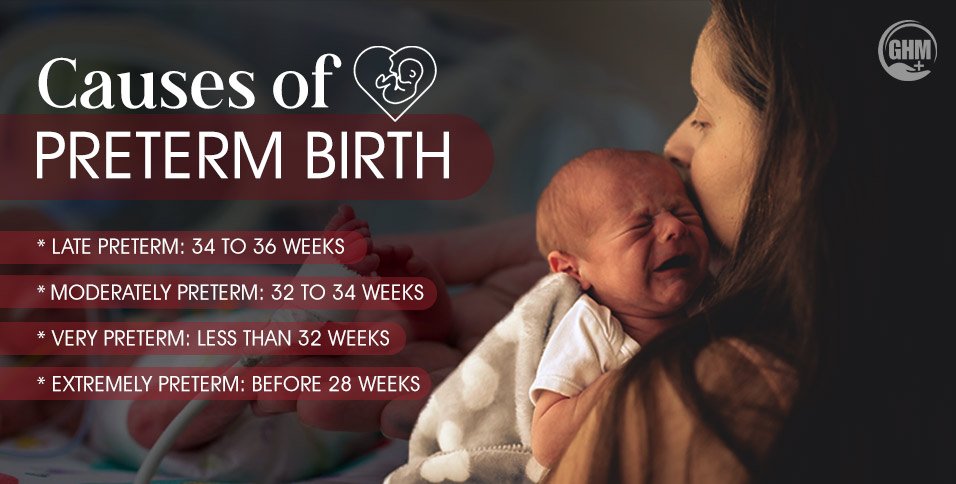
Preterm birth is classified into four categories:
- Late preterm: 34 to 36 weeks
- Moderately preterm: 32 to 34 weeks
- Very preterm: Less than 32 weeks
- Extremely preterm: Before 28 weeks
Each week of pregnancy makes a major difference. Babies born earlier often face greater health challenges, including breathing difficulties, feeding problems, and a higher risk of long-term complications.
Understanding the causes of preterm birth is essential because early identification of high-risk pregnancies allows healthcare providers to monitor both mother and baby more closely and intervene when needed for a full-term, healthy pregnancy.
What Are The Causes of Preterm Birth?
The causes of preterm birth are often complex. In many pregnancies, there isn’t a single reason why labour begins early. Instead, it results from a complex mix of maternal, fetal, social, and environmental conditions. Understanding these causes helps healthcare providers identify high-risk pregnancies and provide timely care.
I. Maternal Health Factors
Certain biological and personal characteristics make some women more likely to face premature delivery. A mother’s overall health strongly influences pregnancy outcomes.
1. Age Below 17 or Above 35
Pregnancies among women younger than 17 years or older than 35 years have a higher risk with various causes of preterm birth. Teenage pregnancies may be associated with incomplete physical development and poor nutrition. Older mothers are more likely to have chronic conditions such as hypertension or thyroid disorders that can complicate pregnancy. Regular prenatal monitoring helps identify potential complications early.
2. Chronic Medical Conditions
Several long-term health conditions can be the causes of preterm birth. Chronic illnesses like heart disease, kidney disorders, autoimmune conditions, and asthma can complicate pregnancy and increase the risk of preterm birth. These conditions may reduce blood flow to the placenta, restrict fetal growth, or increase pregnancy complications that require an earlier delivery. Careful disease management before and throughout pregnancy can help reduce the risk.
3. Infections During Pregnancy
Pregnancy infections are one of the leading causes of preterm birth because they trigger inflammation that can stimulate uterine contractions or weaken the fetal membranes.
Common infections such as urinary tract infections (UTIs), bacterial vaginosis, infections of the reproductive tract, and amniotic fluid may lead to serious complications. Routine prenatal screening and prompt treatment help reduce the risk of infection-related preterm labour.
4. High Blood Pressure
Pregnancy-related conditions such as gestational hypertension and preeclampsia are among the most common causes of preterm birth. High blood pressure can reduce oxygen and nutrient supply to the baby and damage the placenta. In severe cases, doctors may recommend early delivery to protect both the mother and baby.
5. Gestational Diabetes
Gestational diabetes in pregnancy can increase the risk of complications such as excessive fetal growth, placental dysfunction, or high blood pressure. Keeping blood sugar levels under control through diet, exercise, medication, and regular monitoring supports a healthier pregnancy and lowers the chances of premature delivery.
II. Pregnancy-Related Factors
Certain medical complications that develop during pregnancy directly increase the chances of an early birth.
1. Multiple Pregnancy
Women carrying twins, triplets, or more have a much greater chance of preterm birth. The uterus becomes overstretched earlier, and the demand for nutrients increases. As a result, many multiple pregnancies deliver before 37 weeks. Regular checkups and nutritional monitoring are essential to ensure safe outcomes.
2. Fetal Growth
Some preterm births are linked to issues directly affecting the baby. Fetal growth restriction, where the baby isn’t growing as expected, can trigger early delivery to protect the child’s health. Identifying fetal conditions early through ultrasound and genetic screening helps guide safer decisions and manage the causes of preterm birth more effectively.
3. Placental Problems
The placenta plays a vital role in supplying oxygen and nutrients to the developing baby. Conditions affecting the placenta can make early delivery necessary. Issues such as placenta previa (placenta covering the cervix), placental abruption (placenta detaching too early), or placental insufficiency can be the causes of preterm birth.
These complications may cause heavy bleeding, poor fetal growth, or fetal distress, requiring close monitoring throughout pregnancy.
4. Premature Rupture of Membranes (PPROM)
Sometimes the amniotic sac breaks before 37 weeks of pregnancy, a condition known as preterm premature rupture of membranes (PPROM).
Once the membranes rupture, the risk of infection and labour increases significantly. Rupture of membranes requires immediate medical attention, making PPROM one of the most common direct causes of spontaneous preterm birth.
5. Cervical Insufficiency and Uterine Abnormalities
A weakened or incompetent cervix (cervical insufficiency) may begin to shorten or open before labour starts, increasing the risk of premature birth.
Similarly, structural abnormalities of the uterus or previous uterine surgery can make it difficult to carry a pregnancy to full term. Depending on individual circumstances, treatments such as cervical cerclage or progesterone therapy may help lower the risk in these cases.
III. Lifestyle and Environmental Factors
Lifestyle habits and environmental exposures can influence pregnancy health and be the factors causing preterm birth. Although they do not always directly cause early labour.
1. Smoking and Vaping
Smoking during pregnancy reduces oxygen supply to the baby and affects placental function. It also slows the baby’s growth and triggers early contractions. Exposure to second-hand smoke may also increase the risk of premature labour.
Stopping smoking before or during pregnancy is one of the first things a pregnant woman should do to achieve pregnancy outcomes.
2. Alcohol and Drug Use
Alcohol and certain recreational drugs interfere with fetal development and increase the chances of premature delivery. Consuming alcohol during pregnancy can damage the placenta and alter hormone balance, leading to premature labour or low birth weight. Avoiding alcohol and drugs entirely during pregnancy is the safest choice.
3. Poor Nutrition
A balanced diet is vital during pregnancy. Lack of essential nutrients like iron, calcium, and folic acid can weaken the mother’s health and affect fetal growth. Underweight mothers and those with eating disorders are at higher risk. Good pregnancy nutrition helps strengthen immunity and supports a healthy pregnancy.
4. High Stress
Chronic emotional or physical stress increases levels of stress hormones like cortisol, which can influence early contractions. Anxiety, domestic violence, or financial pressures can also raise the chances of high stress in pregnant women and can be causes of preterm birth. Counselling, relaxation techniques, and getting social support can help reduce the negative impact of stress on pregnancy.
5. Workplace Hazards
According to studies, working in settings involving long hours, prolonged standing, heavy lifting, or chemical exposure may be causes of preterm birth. In this situation, employers and healthcare providers can help pregnant women by offering safe work adjustments and, when necessary, maternity leave.
6. Limited Access to Prenatal Care
Regular prenatal care allows doctors to provide vaccinations, monitor growth, and detect pregnancy complications before they become serious. Missing appointments or lacking access to quality healthcare can be a major factor behind premature delivery. Women in rural settings face problems due to limited access to maternity care.
IV. Previous Pregnancy History and Other Risk Factors
A woman’s reproductive history also influences her chances of experiencing another premature birth.
1. Short Pregnancy Interval
When pregnancies occur less than 18 months apart, the mother’s body may not have enough time to recover physically and nutritionally. This short gap in pregnancy can increase the chances of uterine strain, anaemia, and early labour. Experts recommend proper birth spacing to allow the body to rebuild strength before the next pregnancy.
2. Past Preterm Birth
A woman who has experienced a preterm birth in a previous pregnancy is more likely to have it again. This may be due to underlying cervical, hormonal, or structural issues.
Healthcare providers often recommend additional monitoring, cervical length assessments, progesterone therapy, or cervical cerclage in future pregnancies to reduce the chance of another early delivery.
3. Assisted Reproductive Technologies (ART)
Pregnancies conceived through in vitro fertilisation (IVF) and other assisted reproductive technologies have a higher chance of premature birth, largely because they are more likely to involve twins or multiple pregnancies.
Healthcare providers usually monitor IVF pregnancies more closely to reduce pregnancy complications and improve maternal and fetal outcomes.
4. Genetic Factors
Researchers continue to study the role of genetics in preterm birth. Certain inherited factors may influence inflammation, cervical function, hormonal regulation, or placental development, although genetics alone rarely explains why preterm birth occurs.
In many pregnancies, no single cause can be identified, highlighting the complex nature of the causes of preterm birth.
What Are The Warning Signs of Premature Delivery?
Recognising the early warning signs of preterm labour can make a vital difference. Timely medical help often prevents early delivery or reduces related complications. Expectant mothers should stay alert for any unusual symptoms during the second or third trimester.
1. Early Contractions
Regular or frequent contractions before 37 weeks can indicate early labour. These may feel like a tightening in the lower abdomen or back pain that comes and goes. If contractions occur every 10 minutes or less, it’s important to contact a healthcare provider immediately. Monitoring these causes of preterm birth early can help manage the risk sooner.
2. Fluid Leakage
Any sudden gush or slow trickle of fluid from the vagina could mean the amniotic sac has ruptured. This condition, known as premature rupture of membranes (PROM), requires urgent medical attention. Once the protective fluid is lost, both the baby and mother are at risk of infection or early labour.
3. Pelvic Pressure
A heavy feeling in the lower pelvis, backache, or menstrual-like cramps may signal that the cervix is beginning to open prematurely. Other symptoms can include vaginal spotting or changes in discharge. These early warnings should never be ignored, as they can help in pregnancy risk assessment.
What are the Long-Term Effects of a Premature Delivery?
1. Health Effects
Some preterm babies may face ongoing challenges such as breathing issues, vision problems, or learning difficulties.
However, with modern medical care and early intervention, most preterm babies grow up healthy and active. Regular follow-ups with paediatricians ensure timely support for any complications of a preterm baby.
2. Child Development
Early-born babies might reach milestones like sitting, walking, or talking slightly later than full-term babies.
Tracking growth based on corrected age (age adjusted for early birth) gives a more accurate measure of progress. Developmental therapies can help children catch up over time.
3. Family Support
Parents of premature babies often experience anxiety and fatigue. Support groups, counselling, and parental education programs can help families cope emotionally and build confidence in caring for their child. Family involvement is key to long-term well-being.
When Should You Contact Your Doctor?
Pregnant women should call their healthcare provider right away if they experience:
- Regular contractions or abdominal tightening
- Leaking fluid or bleeding
- Sudden swelling, vision changes, or severe headaches
- Fever, pain during urination, or unusual discharge
- Reduced fetal movements (if appropriate for gestational age)
Prompt medical attention can prevent complications and reduce the causes of preterm birth.
What Are the Prevention Steps to Avoid Preterm Birth?
While not all preterm births can be prevented, proactive medical care and healthy habits significantly reduce the risks. Prevention focuses on strengthening the mother’s health, supporting the cervix, and managing complications before they escalate.
1. Progesterone Shots
Progesterone, a hormone that supports pregnancy, helps the uterus stay relaxed and prevents contractions. Progesterone shots or vaginal suppositories are often prescribed to women with a history of preterm birth or a short cervix. This therapy can substantially lower the risk of preterm birth.
2. Cervical Stitch
A cervical cerclage, or stitch, is a small procedure where the cervix is sewn closed to prevent early opening. It’s usually done between 12 and 14 weeks for women with cervical insufficiency. The stitch is removed close to the due date once the baby is ready to be born.
3. Treating Infections
Promptly diagnosing and treating urinary, vaginal, or systemic infections during pregnancy can reduce inflammation that can be a cause of preterm birth. Good hygiene and routine testing during prenatal visits are simple but effective preventive steps.
4. Lifestyle Support
Maintaining a healthy weight, eating nutritious foods, managing stress, avoiding smoking and alcohol, and getting enough rest all strengthen the mother’s body. Emotional support from family and healthcare providers is equally crucial for a full-term, healthy pregnancy.
Conclusion
Understanding the causes of preterm birth is an important step toward protecting both maternal and newborn health. Although premature birth can result from a combination of maternal health conditions, pregnancy complications, lifestyle factors, and previous pregnancy history, not every case can be predicted or prevented.
Regular prenatal care, early screening, and timely management of underlying medical conditions can help reduce the risk of preterm birth and improve pregnancy outcomes.
If you notice signs of premature labour or have a pregnancy considered high risk, seek medical attention without delay.
With early intervention, you can take proactive steps toward a healthier pregnancy and the best possible start for your baby.
Frequently Asked Questions
- How early can a premature baby survive?
With modern medical care, babies born as early as 24–25 weeks have a chance of survival, though intensive care is required.
- Can a preterm birth happen even in a healthy pregnancy?
Yes. Sometimes, even with good health and care, unexpected complications like infections or placental problems can cause early labour.
- What’s the best way to prevent preterm birth?
Attend regular prenatal checkups, maintain healthy habits, manage chronic conditions, and seek medical help if any early signs appear.
- Does travelling during pregnancy increase the chances of preterm birth?
For most women with a healthy pregnancy, travelling is generally considered safe during the second trimester. However, women with a high-risk pregnancy should discuss travel plans with their healthcare provider, especially before long-distance or international travel.