Introduction
Vein disorders affect millions of people worldwide, yet they often remain underdiagnosed or misunderstood. Conditions such as varicose veins, spider veins, chronic venous insufficiency, deep vein thrombosis, and venous ulcers can significantly impact a person’s comfort, mobility, and quality of life. While many people assume these issues are simply cosmetic, untreated vein disease can progress over time, leading to persistent pain, swelling, skin changes, and more serious complications.
Over the past decade, healthcare has witnessed the rapid growth of specialized vein centers dedicated exclusively to diagnosing and treating venous disorders. Rather than offering vein treatments as one service among many, these centers focus entirely on vascular health, combining advanced diagnostic technology, minimally invasive procedures, and personalized treatment plans. This specialized approach is helping patients receive earlier diagnoses, more precise care, and better long-term outcomes.
As healthcare continues shifting toward patient-centered and evidence-based medicine, specialized vein centers are becoming an important part of modern vascular care.
Understanding the Growing Burden of Vein Disease
Vein disease is far more common than many people realize. Aging populations, increasingly sedentary lifestyles, obesity, pregnancy, prolonged standing occupations, and genetic predisposition all contribute to the growing number of individuals affected by venous conditions.
Symptoms often begin gradually. People may notice aching legs after long days, feelings of heaviness, mild swelling around the ankles, or visible spider veins. Because these symptoms frequently develop slowly, many individuals dismiss them as normal signs of aging or fatigue.
However, chronic venous disease is progressive. Without appropriate evaluation and treatment, symptoms may worsen over time, leading to chronic discomfort, skin discoloration, inflammation, and, in some cases, difficult-to-heal venous ulcers.
Greater public awareness has encouraged more people to seek medical evaluation before complications develop.
Why Specialized Care Makes a Difference
Healthcare specialization has transformed many medical fields, from cardiology and oncology to orthopedics and neurology. Vein care has followed a similar path.
Specialized vein centers concentrate exclusively on diagnosing and treating disorders of the venous system. This focused expertise allows physicians and clinical teams to develop extensive experience with a wide range of venous conditions while remaining current with advances in vascular medicine.
When seeking treatment, choosing nationally accredited vein care specialists can provide additional confidence that patients are receiving evidence-based care supported by recognized clinical standards and modern treatment approaches.
Patients benefit from comprehensive evaluations that examine not only visible veins but also the underlying causes of venous dysfunction. Rather than simply treating cosmetic concerns, specialists identify the source of impaired blood flow and develop treatment strategies tailored to each patient’s unique anatomy and symptoms.
This comprehensive approach improves both short-term symptom relief and long-term vascular health.
Advanced Diagnostic Technology Improves Accuracy
Accurate diagnosis forms the foundation of effective treatment.
One of the most significant advances in modern vein care has been the widespread use of duplex ultrasound imaging. Unlike visual examination alone, ultrasound allows specialists to evaluate blood flow, identify malfunctioning vein valves, detect reflux, and map the affected veins in real time.
This detailed assessment helps physicians determine whether symptoms originate from superficial veins, deeper venous structures, or other medical conditions.
By identifying the precise cause of venous disease, specialists can recommend treatments that address the underlying problem rather than simply managing visible symptoms.
Improved diagnostics reduce unnecessary procedures while increasing treatment success.
Personalized Treatment Planning
No two patients experience vein disease in exactly the same way.
Some individuals seek treatment because of cosmetic concerns related to spider veins. Others experience chronic swelling, heaviness, nighttime leg cramps, or skin changes that interfere with daily activities. Medical history, occupation, activity level, age, pregnancy history, and underlying health conditions also influence treatment decisions.
Specialized vein centers emphasize individualized care rather than standardized treatment protocols.
Each treatment plan begins with a thorough consultation, diagnostic imaging, and discussion of patient goals. This collaborative approach helps ensure that medical recommendations align with each person’s symptoms, lifestyle, and long-term health priorities.
Personalized care often leads to greater patient satisfaction and improved clinical outcomes.
The Shift Toward Minimally Invasive Procedures
One of the greatest developments in vascular medicine has been the transition from traditional surgical techniques to minimally invasive treatments.
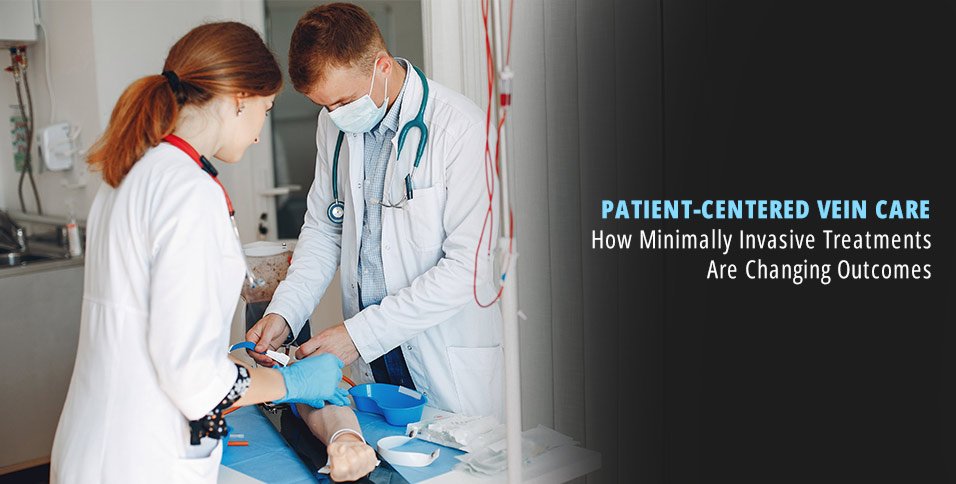
Many vein procedures are now performed in outpatient settings using local anesthesia. Techniques such as endovenous laser therapy, radiofrequency ablation, ultrasound-guided sclerotherapy, and medical adhesive closure allow physicians to treat diseased veins through tiny access points without the need for extensive surgery.
Patients generally experience shorter procedure times, reduced discomfort, faster recovery, and earlier return to normal activities compared with older surgical approaches.
These advances have made treatment more accessible while reducing the barriers that once discouraged many patients from seeking care.
Earlier Intervention Leads to Better Outcomes
Many individuals postpone treatment because they believe their symptoms are minor or purely cosmetic.
However, early intervention often provides significant advantages.
Treating venous disease before complications develop may reduce symptom progression, improve mobility, decrease chronic swelling, and lower the likelihood of skin damage or ulcer formation.
Early diagnosis also allows physicians to recommend preventive lifestyle modifications alongside medical treatment, supporting better long-term vascular health.
As public education improves, more patients are recognizing the importance of addressing vein problems before they become more difficult to manage.
Comprehensive Patient Education
Successful treatment extends beyond the procedure itself.
Specialized vein centers frequently invest considerable time in educating patients about venous disease, risk factors, treatment options, recovery expectations, and long-term preventive strategies.
Patients who understand their condition are often more likely to follow treatment recommendations, wear compression garments when appropriate, remain physically active, maintain healthy body weight, and attend follow-up appointments.
Education empowers individuals to participate actively in their own healthcare decisions.
Multidisciplinary Collaboration
Although specialized vein centers focus primarily on venous disorders, they often collaborate closely with primary care physicians, vascular surgeons, dermatologists, wound care specialists, cardiologists, and other healthcare professionals.
This multidisciplinary approach ensures that patients with complex medical histories receive coordinated care addressing all aspects of their health.
Integrated healthcare improves communication between providers while supporting safer, more comprehensive treatment planning.
Accreditation and Quality Standards
As specialized vein centers become more common, accreditation and quality assurance play increasingly important roles.
Patients often seek providers who demonstrate commitment to evidence-based practice, patient safety, advanced technology, and ongoing professional education.
Accredited centers emphasize consistent quality, patient-centered care, and continuous improvement across every stage of the treatment process.
Improving Quality of Life
The benefits of successful vein treatment extend well beyond cosmetic improvement.
Many patients report reduced leg pain, improved mobility, decreased swelling, better sleep, greater physical activity, increased workplace productivity, and renewed confidence after treatment.
Relief from chronic symptoms often enables individuals to participate more fully in exercise, travel, family activities, and hobbies that were previously limited by discomfort.
These improvements highlight the broader impact that vascular health has on overall well-being.
Healthcare providers increasingly recognize that treating chronic venous disease contributes not only to physical health but also to emotional and social quality of life.
Looking Ahead: The Future of Specialized Vein Care
The future of vascular medicine continues to evolve rapidly.
Artificial intelligence is beginning to assist with diagnostic imaging interpretation. Advanced ultrasound technology provides increasingly detailed vascular assessments. New catheter-based treatments continue reducing recovery times, while ongoing research explores innovative therapies that may further improve patient outcomes.
Telemedicine is also expanding access to specialist consultations, allowing patients to receive expert guidance before visiting treatment centers for diagnostic evaluation or procedures.
As technology advances, specialized vein centers are expected to deliver even more precise, personalized, and efficient care.
Conclusion
The rise of specialized vein centers represents an important advancement in modern healthcare. By focusing exclusively on venous disorders, these centers combine specialized expertise, advanced diagnostics, minimally invasive treatments, and personalized care to achieve better patient outcomes.
Rather than viewing vein disease as merely a cosmetic concern, today’s specialists recognize its broader impact on mobility, comfort, circulation, and overall quality of life. Early diagnosis, evidence-based treatment, comprehensive patient education, and coordinated care are helping individuals manage vein disease more effectively than ever before.
As awareness continues to grow and technology continues to advance, specialized vein centers will remain at the forefront of improving vascular health, reducing complications, and helping patients enjoy healthier, more active lives.