Introduction
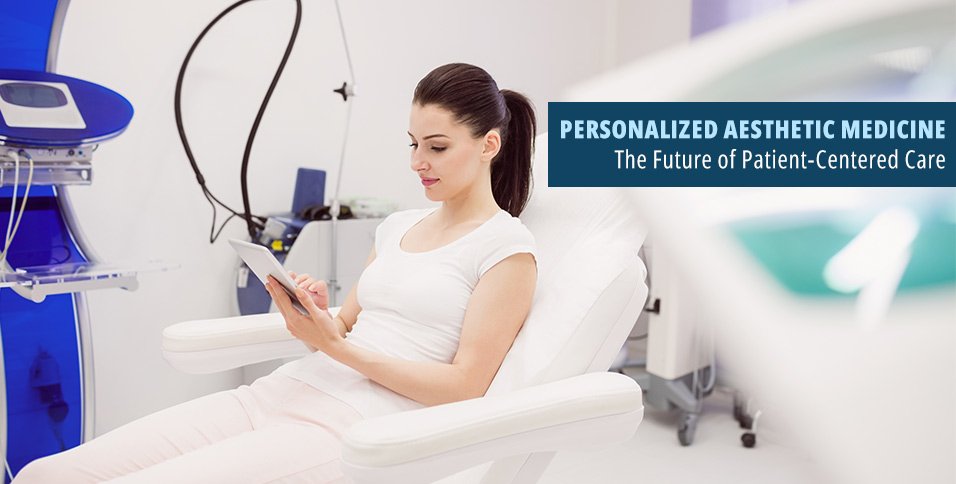
Healthcare has undergone a remarkable transformation over the past decade. Patients are no longer satisfied with one-size-fits-all solutions, especially when it comes to preventive care, wellness, and aesthetic medicine. Today, people expect healthcare providers to understand their unique goals, medical history, lifestyle, and concerns before recommending a treatment plan. This shift has fueled the rise of personalized aesthetic medicine—a patient-centered approach that combines medical expertise, advanced technology, and individualized care to achieve natural-looking, long-lasting results.
Unlike traditional cosmetic procedures that often focused solely on correcting visible concerns, modern aesthetic medicine recognizes that appearance and overall well-being are closely connected. Factors such as skin quality, nutrition, stress, hormone balance, sleep, and healthy aging all contribute to how people look and feel. As a result, aesthetic medicine has evolved into a multidisciplinary field that emphasizes prevention, education, and comprehensive wellness rather than quick cosmetic fixes.
This patient-focused philosophy is shaping the future of healthcare by empowering individuals to make informed decisions that align with their long-term health and personal confidence.
For individuals seeking personalized cosmetic care, choosing an experienced provider offering customized medical spa treatments in Fort Myers can help ensure that aesthetic goals are supported by a thoughtful, patient-centered approach focused on safety, natural results, and long-term wellness.
The Evolution of Aesthetic Medicine
The field of aesthetic medicine has changed dramatically over the last twenty years. Earlier cosmetic procedures often prioritized dramatic transformations, with standardized treatment plans that left little room for personalization. Today, advances in medical science and imaging technologies allow practitioners to evaluate each patient’s facial anatomy, skin condition, and aging patterns with far greater precision.
Patients are increasingly seeking subtle enhancements that preserve their natural features rather than creating an artificial appearance. This demand has encouraged healthcare providers to adopt customized treatment strategies that focus on restoring balance, improving skin health, and supporting graceful aging.
Rather than pursuing perfection, personalized aesthetic medicine aims to help patients become the healthiest and most confident version of themselves.
Why Patient-Centered Care Matters
Patient-centered care has become a defining principle across modern healthcare, and aesthetic medicine is no exception. Every patient brings different expectations, concerns, medical histories, and lifestyle factors that influence treatment decisions.
A thorough consultation serves as the foundation of personalized care. Instead of immediately recommending procedures, experienced practitioners spend time understanding the patient’s motivations, reviewing medical conditions, evaluating skin health, and discussing realistic expectations.
This collaborative process helps build trust while ensuring that treatment recommendations are both medically appropriate and aligned with the patient’s goals.
By placing the individual at the center of every decision, providers can deliver safer treatments and more satisfying outcomes.
Technology Is Driving Personalization
Modern technology has significantly expanded the possibilities for individualized aesthetic care.
Advanced skin imaging systems can evaluate pigmentation, hydration, pore size, sun damage, vascular changes, and collagen quality beneath the skin’s surface. Digital facial analysis allows providers to assess facial symmetry, volume loss, and age-related changes with remarkable accuracy.
Artificial intelligence is also beginning to assist practitioners by analyzing skin characteristics and predicting treatment outcomes based on large clinical datasets. While AI does not replace medical expertise, it supports more informed decision-making and personalized care planning.
These innovations enable providers to create highly customized treatment plans rather than relying on generalized recommendations.
A Holistic View of Beauty and Wellness
Modern aesthetic medicine increasingly recognizes that external appearance reflects internal health. Healthy skin, for example, depends on adequate hydration, balanced nutrition, quality sleep, hormone regulation, stress management, and proper skincare.
This holistic perspective encourages practitioners to consider lifestyle factors alongside cosmetic concerns. Patients may receive recommendations related to nutrition, sun protection, stress reduction, skincare routines, or preventive wellness strategies that complement professional treatments.
Rather than focusing solely on temporary cosmetic improvements, personalized care addresses the underlying factors that contribute to healthy aging and long-term skin quality.
Preventive Aesthetic Medicine
One of the most important developments in aesthetic medicine is the growing emphasis on prevention.
Many younger adults are choosing preventive treatments designed to maintain healthy skin before significant signs of aging appear. Consistent skincare, sun protection, collagen-supporting therapies, and early intervention can often reduce the need for more extensive procedures later in life.
Preventive care also promotes regular communication between patients and healthcare providers, allowing treatment plans to evolve gradually as needs change over time.
This proactive approach reflects broader healthcare trends that prioritize prevention over reactive treatment.
Building Confidence Through Individualized Treatment
Although aesthetic medicine focuses on physical appearance, its impact often extends much further.
Many patients report increased confidence after addressing concerns that have affected their self-esteem for years. Whether improving skin texture, reducing visible signs of aging, or enhancing facial harmony, personalized treatments frequently help individuals feel more comfortable in professional, social, and personal settings.
Importantly, ethical practitioners encourage realistic expectations and emphasize enhancement rather than perfection. Their goal is to help patients feel like the best version of themselves while preserving natural facial expressions and unique characteristics.
Confidence achieved through thoughtful, individualized care often contributes to improved emotional well-being and quality of life.
Safety Through Comprehensive Assessment
Personalized medicine also improves patient safety.
Every treatment should begin with a careful review of medical history, medications, allergies, previous procedures, and current health conditions. This information helps providers identify potential risks while selecting the safest and most appropriate treatment options.
Individual factors such as skin type, healing capacity, lifestyle habits, and personal preferences influence treatment planning and recovery recommendations.
Customized protocols reduce unnecessary risks while improving consistency and patient satisfaction.
The Importance of Choosing Qualified Providers
As demand for aesthetic treatments continues to grow, selecting experienced medical professionals has become increasingly important.
Qualified providers understand facial anatomy, skin physiology, patient safety, and evidence-based treatment techniques. They prioritize comprehensive consultations, patient education, and individualized planning rather than promoting unnecessary procedures.
Patients should always feel comfortable asking questions, discussing expectations, and understanding both the benefits and potential limitations of any recommended treatment.
Integrating Wellness Into Aesthetic Care
The future of aesthetic medicine lies in integration rather than isolation.
Many clinics now combine cosmetic procedures with wellness services such as nutritional counseling, hormone optimization, skincare education, stress management strategies, and preventive health assessments.
This multidisciplinary approach recognizes that appearance is influenced by numerous interconnected factors rather than a single cosmetic concern.
Patients increasingly appreciate providers who help them develop sustainable habits that improve both overall health and aesthetic outcomes.
Looking Ahead
Personalized medicine will continue shaping healthcare across nearly every specialty, and aesthetic medicine is well positioned to benefit from these advances.
Future innovations may include improved genetic insights, more sophisticated diagnostic imaging, AI-assisted treatment planning, regenerative therapies, and personalized skincare formulations tailored to individual biological characteristics.
As technology continues to evolve, the relationship between patients and providers will remain central. Human expertise, ethical judgment, and compassionate communication will continue to guide successful treatment decisions despite increasingly sophisticated technological tools.
Conclusion
Personalized aesthetic medicine represents far more than a cosmetic trend—it reflects a broader movement toward patient-centered healthcare. By recognizing each individual’s unique anatomy, medical history, lifestyle, and personal goals, providers can deliver treatments that are safer, more effective, and more meaningful.
The integration of advanced technology, preventive medicine, holistic wellness, and individualized care has transformed aesthetic medicine into a comprehensive healthcare discipline that prioritizes long-term well-being alongside natural-looking results.
As patients continue seeking personalized experiences across every aspect of healthcare, aesthetic medicine will increasingly serve as a model for how compassionate, evidence-based, and customized care can improve both confidence and overall quality of life. The future belongs not to standardized beauty, but to thoughtful care that respects individuality, supports wellness, and empowers people to age with health, confidence, and authenticity.