
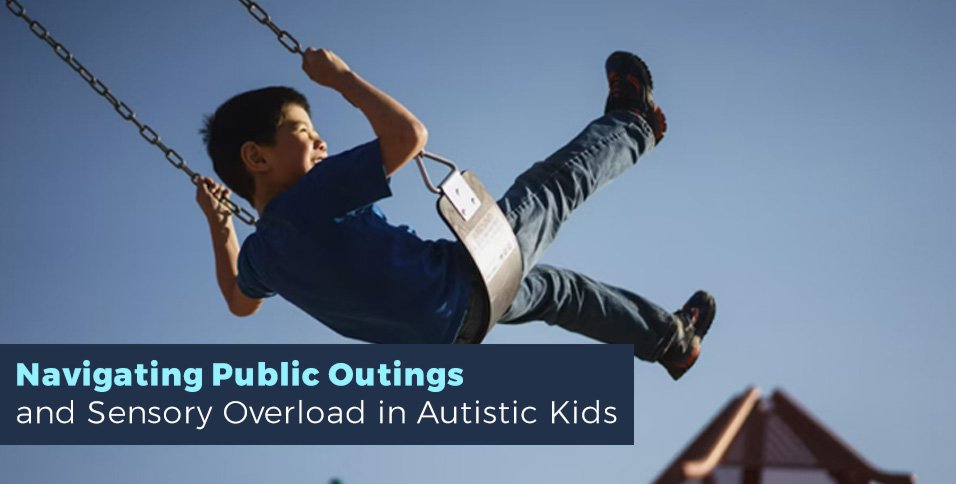
Public outings can be hard for autistic kids when lights, sounds, crowds, smells, or unexpected changes become too much at once. With the right preparation, sensory supports, and calm backup plans, many families can make errands, appointments, restaurants, and community activities feel more predictable.
If outings are consistently stressful, families may also benefit from individualized support, including ABA home therapy in Utah when home routines and community readiness need extra practice.
Why Public Places Can Feel Overwhelming
Many public spaces are full of sensory triggers. A grocery store may have buzzing lights, rolling carts, loud announcements, food smells, bright packaging, and people moving in every direction.
For some autistic children, this can feel uncomfortable or even painful. Research on sensory experiences in public spaces describes how sensory input can build up and affect how autistic people feel, move, communicate, and cope.
Common triggers may include loud hand dryers, alarms, traffic, or music. Also, stuff like bright fluorescent lighting, crowds or people standing too close, strong smells from food, perfume, or cleaning products, or long waits without clear expectations can affect them.
Every child responds differently. The goal is not to force a child to “act fine” in a hard environment. The goal is to understand what their body is telling you and offer support before overload builds.
Sensory-Seeking vs. Sensory-Avoiding Behaviors
Some children are sensory-avoiding. They may cover their ears, hide, freeze, cry, run away, or refuse to enter a noisy place.
Other children are sensory-seeking. They may jump, spin, touch items, make loud sounds, crash into furniture, or seek deep pressure.
Both patterns are communication. A child who bolts toward a door may not be “being difficult.” They may be trying to escape an overwhelming space. A child who bumps into objects may be looking for body input that helps them feel grounded.
Occupational therapy (OT) can be especially helpful for understanding sensory needs. Applied Behavior Analysis (ABA), when used in a respectful and neurodiversity-affirming way, can also help families build safe routines, communication skills, and coping strategies without ignoring the child’s comfort.
Prepare Before You Leave Home
Preparation helps children know what is coming. This can lower anxiety and reduce surprises.
You may want to try:
- A simple visual schedule showing where you are going and what happens next.
- A short social story that explains the outing in plain language.
- Photos of the location, parking lot, entrance, bathroom, or checkout area.
- A clear exit plan, such as “We can take a break in the car.”
- A small choice, like which snack to bring or which aisle to visit first.
Research and resources in the UNC repository include autism-related work that can help families and providers think carefully about support, learning, and child-centered planning.
Pack a Sensory Kit
A sensory kit does not need to be fancy. It just needs to match your child’s needs.
Helpful items may include noise-canceling headphones, sunglasses, chewy jewellery, fidgets, a small toy, snacks, visual cards, or even a lap pad.
Practice using these tools at home first. A child may not want headphones for the first time in the middle of a crowded store. Familiarity matters.
What to Do During a Meltdown or Shutdown
A meltdown is often an outward sign of overwhelm. A shutdown may look quieter, such as freezing, becoming very still, not speaking, or withdrawing.
In both cases, start by reducing demands.
Use a calm voice. Move to a quieter space if it is safe. Offer one simple choice, such as “Car or bench?” Avoid long explanations at the moment, because your child may not be able to process them.
If bolting is a concern, plan ahead. Stay near exits, use agreed safety rules, and ask your child’s care team about safe community practice.
Caregivers need support too. Public reactions can feel painful, especially when strangers stare or make comments. Take a slow breath, focus on your child’s safety, and remind yourself that your child is having a hard moment, not giving you a hard time.
How to Build Confidence
As children grow into adolescence, the goal may shift from fully supported outings to shared independence.
This can look like practicing one small skill at a time:
- Ordering a preferred food.
- Using a break card or phone note.
- Wearing headphones before the noise becomes too much.
- Texting a caregiver when they need help.
- Walking through a familiar store with nearby support.
Independence does not mean removing support too quickly. It means teaching self-advocacy, honoring sensory preferences, and helping your child understand what works for their body.
Conclusion
Public outings may never be perfectly predictable, and that is okay. Start with one short trip, one support tool, and one clear exit plan.
If your child often has meltdowns, shutdowns, or unsafe bolting in public, consider talking with an OT, ABA provider, pediatrician, or autism-informed therapist. A supportive team can help you build a plan that respects your child’s needs while helping your family feel more confident outside the home.