Introduction
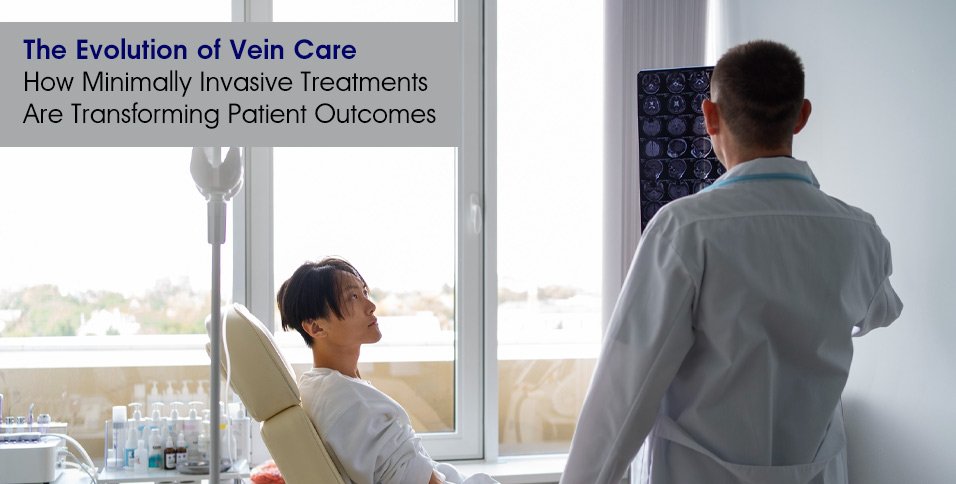
Vein care has changed considerably over the past several decades. Conditions such as varicose veins and chronic venous insufficiency were once commonly associated with large surgical procedures, lengthy recovery periods, and significant disruption to daily life. Today, advances in vascular medicine have created a broader range of minimally invasive treatment options that can address problematic veins with smaller incisions, targeted techniques, and, in many cases, shorter recovery times.
This evolution reflects a larger shift in healthcare toward patient-centered treatment. Modern vein care is no longer focused solely on improving the appearance of visible veins. It increasingly addresses symptoms, circulation, mobility, and long-term quality of life. For patients, that can mean more opportunities to receive appropriate treatment without automatically facing traditional surgery.
Patients looking for treatment can benefit from working with trusted vein specialists helping patients in Teaneck who can evaluate symptoms, perform appropriate diagnostic testing, and explain available treatment options.
A specialist can also help determine when intervention is unnecessary. In some cases, lifestyle changes, compression therapy, observation, or other conservative measures may be appropriate. Good medical care is not simply about performing a procedure; it is about determining what makes sense for the individual patient.
Understanding Why Vein Health Matters
Veins play an essential role in the circulatory system. While arteries carry oxygen-rich blood away from the heart, veins return blood toward the heart. In the legs, this process has an additional challenge because blood must travel upward against gravity.
Healthy leg veins contain valves that help keep blood moving in the correct direction. When these valves become weak or damaged, blood can flow backward and collect in the veins. This condition, commonly referred to as chronic venous insufficiency, can contribute to swelling, aching, heaviness, itching, skin changes, and visible varicose veins.
Not everyone with visible veins experiences significant symptoms, and not every vein problem requires an intervention. However, persistent or worsening symptoms deserve appropriate medical evaluation. Understanding the underlying cause is an important first step in determining whether treatment is appropriate.
From Traditional Surgery to Minimally Invasive Care
For many years, surgical vein stripping was one of the principal approaches used to treat problematic veins. During the procedure, affected veins were physically removed or tied off. Although surgery could be effective, it could also involve incisions, anesthesia, postoperative discomfort, and a longer recovery period.
The development of minimally invasive techniques changed this landscape. Instead of physically removing a vein through larger incisions, newer procedures can often close or treat the problematic vessel from inside the vein.
This represents an important conceptual shift. The goal is not necessarily to remove every visible vein. Rather, treatment can focus on the veins contributing to abnormal blood flow while allowing the body to redirect circulation through healthier vessels.
How Endovenous Treatments Work
One of the major developments in modern vein care has been endovenous treatment. These procedures typically involve guiding a small catheter into the affected vein, often using ultrasound imaging for precision.
Depending on the specific technique, energy may then be delivered to the vein to cause it to close. Once the targeted vein is sealed, the body gradually reroutes blood through other functioning veins.
Laser-based and radiofrequency-based procedures are examples of endovenous approaches. Although the technologies differ, both are designed to treat the underlying vein problem without requiring the type of extensive surgical removal associated with older procedures.
The exact treatment depends on the patient’s anatomy, symptoms, medical history, and diagnostic findings. A qualified vein specialist can determine which approach, if any, is appropriate.
Why Ultrasound Has Become So Important
Modern vein treatment relies heavily on diagnostic imaging, particularly duplex ultrasound. This noninvasive technology allows clinicians to examine blood flow and identify problems with the veins and their valves.
Ultrasound can help determine whether blood is moving normally or flowing backward through an incompetent valve. It can also help identify the location and extent of venous disease.
During certain minimally invasive procedures, ultrasound can provide real-time guidance. This allows the clinician to visualize the treatment area and position instruments more accurately.
The combination of advanced imaging and minimally invasive techniques has helped make vein treatment more targeted than it was in the past.
Treatment Options Are Becoming More Individualized
There is no single treatment that works for every vein condition. Modern vein care recognizes that treatment should be based on the individual rather than simply the appearance of a vein.
A patient with mild cosmetic concerns may require a different approach from someone experiencing significant leg swelling or chronic discomfort. Similarly, the location and size of an affected vein, previous treatment history, and overall health can influence the recommended strategy.
Depending on the situation, a specialist may discuss approaches such as endovenous ablation, sclerotherapy, or other minimally invasive procedures. Conservative measures may also have an important role in managing certain patients.
This individualized approach allows clinicians to consider both the medical condition and the patient’s personal goals.
The Role of Sclerotherapy
Sclerotherapy has also become an established tool in modern vein treatment. During this procedure, a solution is introduced into a targeted vein, causing it to close over time. The body subsequently absorbs the treated vessel.
Sclerotherapy is commonly used for smaller varicose veins and spider veins, although its suitability depends on the individual’s vein anatomy and clinical circumstances.
For some patients, sclerotherapy may be used alongside another treatment. The important point is that treatment planning can now be tailored to different types of venous disease rather than relying on a single technique.
Better Recovery Can Mean Less Disruption
One of the most significant benefits associated with many minimally invasive vein procedures is the potential for reduced recovery time compared with traditional surgery.
Because these procedures generally use smaller access points and avoid extensive surgical incisions, patients may experience less tissue disruption. Some treatments can be performed in an outpatient setting, allowing eligible patients to return home the same day.
Recovery varies considerably depending on the procedure and individual circumstances. Patients should always follow their clinician’s specific instructions regarding walking, exercise, compression garments, medications, and follow-up appointments.
The possibility of a shorter recovery can nevertheless make treatment more practical for people who have work, family, and other everyday responsibilities.
Patient Outcomes Extend Beyond Appearance
Varicose veins are often discussed as a cosmetic concern, but venous disease can involve much more than appearance.
Some patients experience aching, throbbing, heaviness, swelling, itching, or tired legs. Symptoms may become particularly noticeable after prolonged periods of standing or sitting.
When an underlying venous problem is identified and appropriately treated, the objective can be to address both the abnormal blood flow and the symptoms associated with it.
This is why modern vein care increasingly emphasizes functional outcomes. The question is not simply whether a vein looks better afterward. It is also whether the patient’s comfort, mobility, and daily experience improve.
What Patients Should Expect From Modern Vein Care
The modern treatment journey generally begins with a discussion of symptoms and medical history. A physical examination and ultrasound evaluation may then be used to understand the patient’s venous circulation.
Once the underlying issue has been identified, the healthcare provider can discuss potential treatment options. Patients should have an opportunity to ask questions about expected benefits, possible risks, recovery requirements, alternatives, and whether treatment is medically necessary.
This conversation is particularly important because advertisements and online information can sometimes make medical procedures appear simpler or more universally effective than they really are. Individual assessment remains essential.
Technology Is Continuing to Shape the Future
The evolution of vein care is unlikely to stop with today’s treatments. Improvements in imaging, catheter technology, procedural techniques, and clinical research continue to influence how venous disease is diagnosed and managed.
Future developments may make procedures even more precise and personalized. Better diagnostic information could help clinicians identify disease earlier, while advances in treatment technology may further reduce procedural discomfort and recovery time.
At the same time, patient education is likely to remain a major part of successful vein care. Technology can improve treatment, but patients still need to understand their condition and recognize when persistent symptoms deserve professional attention.
A More Patient-Centered Future for Vein Health
The transformation of vein care illustrates a broader trend occurring throughout modern medicine. Healthcare is moving away from one-size-fits-all treatment and toward approaches that prioritize precision, convenience, safety, and individual patient needs.
Minimally invasive vein procedures are an important part of this transformation. They provide clinicians with alternatives to traditional surgery and give appropriately selected patients access to treatments that may require less disruption to everyday life.
However, minimally invasive does not mean risk-free, and no treatment is suitable for everyone. A proper diagnosis and individualized consultation remain essential before deciding on any procedure.
Conclusion
The evolution of vein care has fundamentally changed how many venous conditions can be approached. From traditional surgical techniques to ultrasound-guided and catheter-based procedures, advances in vascular medicine have expanded the treatment options available to patients.
The biggest change may be the shift in perspective. Modern vein care is not simply about removing visible veins. It is about understanding circulation, identifying the source of symptoms, selecting an appropriate treatment, and helping patients maintain comfort and quality of life.
For people experiencing persistent leg heaviness, swelling, aching, visible varicose veins, or other concerning symptoms, professional evaluation can provide clarity. With continued advances in minimally invasive medicine and personalized care, the future of vein treatment is increasingly focused on helping patients achieve meaningful results with less disruption to their everyday lives.