For many busy professionals, weight loss feels like one more task on an already overwhelming to-do list. Balancing work deadlines, meetings, family responsibilities, and personal commitments often leaves very little room for healthy habits. The challenge is not necessarily a lack of motivation but rather the difficulty of maintaining consistency when every day looks different.
The good news is that successful weight loss does not require spending hours at the gym or preparing elaborate meals every day. Instead, it comes down to creating realistic habits that work alongside your schedule rather than against it. Small, sustainable changes tend to deliver better long-term results than extreme diets or intensive workout plans that are difficult to maintain.
Research consistently shows that gradual weight loss supported by healthy eating and regular physical activity is more likely to be maintained over time than rapid, restrictive approaches. Whether you’re working in an office, remotely, or constantly traveling for business, these practical weight loss tips can help you stay on track without sacrificing your career or personal life.
5 Easy Weight Loss Tips for Busy Professionals
Weight loss is not about finding more hours in the day. It is about making smarter use of the time you already have. Here are 5 easy tips that can help busy professionals lose weight.
1. Prioritize Smart Nutrition Instead of Restrictive Dieting
Many professionals fall into the cycle of skipping meals during the day and overeating at night. While this may seem unavoidable during busy workdays, inconsistent eating patterns can make managing hunger significantly more difficult.
Rather than following restrictive diets, focus on building balanced meals that combine lean protein, healthy fats, complex carbohydrates, and fiber. These nutrients work together to keep you satisfied for longer, helping reduce unnecessary snacking between meetings or during late-night work sessions.
Many people exploring modern medical weight management are also interested in before and after glp1 results. While these medications have become increasingly popular under medical supervision, they are generally most effective when paired with healthy eating habits and long-term lifestyle improvements. Regardless of the approach someone chooses, nutrition remains the foundation of sustainable weight management.
2. Take help from a Healthcare Professional
Prescription weight-management medications, including tirzepatide b12 or glycine vials, may be used for eligible patients under qualified medical supervision. Suitability, dosing, risks, and source verification should be assessed individually.
A licensed healthcare professional can guide you through all this based on your medical history and weight loss goals. Their personalized plans can help you reduce those extra pounds at your pace, while giving you peace of mind even when life expects so much from you. You can also track progress and enjoy the change that fits well in your busy schedule, knowing that your weight loss matters are in safe hands.
3. Schedule Exercise Like an Important Business Meeting
A common misconception is that effective exercise requires an hour or more every day. The truth is that consistency is far more important than duration. For professionals with demanding schedules, shorter workouts can still provide meaningful benefits. A brisk 20- to 30-minute walk before work or an evening home workout can all contribute to increased calorie expenditure and improved cardiovascular health.
Try to treat workouts as non-negotiable appointments by adding them to your calendar just as you would a client meeting or project deadline. Scheduling exercise reduces the likelihood that it will be pushed aside when work becomes hectic.
Strength training is particularly valuable because maintaining muscle mass helps support metabolism during weight loss. Even two or three sessions per week using bodyweight exercises or resistance bands can produce noticeable improvements over time.
Also try to increase physical activity throughout the day by making small changes to your lifestyle. Taking the stairs, standing during phone calls, walking between meetings, or parking farther from your destination all contribute to increasing daily movement without requiring additional gym time.
4. Improve Sleep and Manage Stress to Reduce Emotional Eating
Many professionals underestimate the impact that stress and inadequate sleep have on body weight. When deadlines pile up and sleep becomes inconsistent, hunger-regulating hormones may become disrupted. As a result, cravings for high-calorie, sugary, or processed foods often increase, making healthy choices considerably more difficult.
Creating even small moments of recovery throughout the day can improve both mental well-being and long-term weight management. Adults should generally aim for seven to nine hours of quality sleep each night. Establishing a consistent bedtime routine, limiting screen exposure before bed, and reducing caffeine intake later in the day can all contribute to better sleep quality.
Stress management is equally important. Chronic stress may encourage emotional eating, particularly during demanding work periods. Instead of automatically reaching for comfort foods, consider healthier coping strategies such as walking outdoors, practicing deep breathing exercises, stretching, journaling, or engaging in hobbies that promote relaxation.
5. Focus on Long-Term Consistency Instead of Quick Results
Perhaps the most important weight loss tip for busy professionals is learning to think beyond short-term outcomes. Many people become discouraged if they do not see dramatic changes after only a few weeks. However, healthy weight loss is typically gradual.
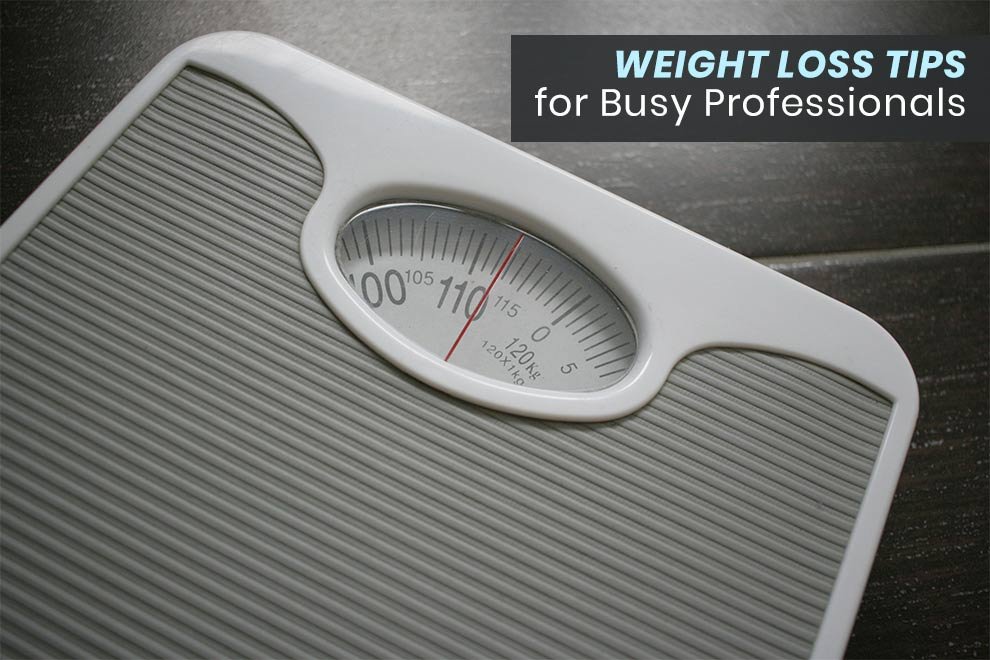
Tracking progress through multiple measures can also provide motivation. While the scale is one indicator, improvements in energy levels, fitness, clothing fit, sleep quality, and confidence are equally meaningful signs of progress.
Planning for obstacles rather than expecting perfection is another valuable strategy. Business trips, holidays, celebrations, and demanding work weeks are inevitable. Rather than viewing these occasions as failures, simply return to healthy habits at the next meal instead of waiting for a new week or month to restart.
Small daily choices like choosing water instead of sugary drinks or preparing lunch at home may seem insignificant individually. Yet when repeated consistently over months, these habits often create meaningful and lasting results.
Parting Thoughts
Losing weight while managing a demanding career is undoubtedly challenging, but it is far from impossible. Instead of chasing perfection or relying on extreme approaches, successful professionals often achieve lasting results by building simple habits that fit naturally into their everyday routines.
Balanced nutrition, adequate protein, consistency, and healthy lifestyle habits support long-term weight management.
By embracing practical, realistic strategies that complement your busy schedule, you can steadily work toward your health goals while continuing to thrive both professionally and personally.
Medical Disclaimer: This article is for informational purposes only and does not replace professional medical advice. GLP-1–based weight-loss medications should only be used under qualified medical supervision. Consult a licensed healthcare professional before starting, stopping, or changing any treatment.
Also Read: Top 5 Juices for Weight Loss: Quick, Yummy, & Simple!