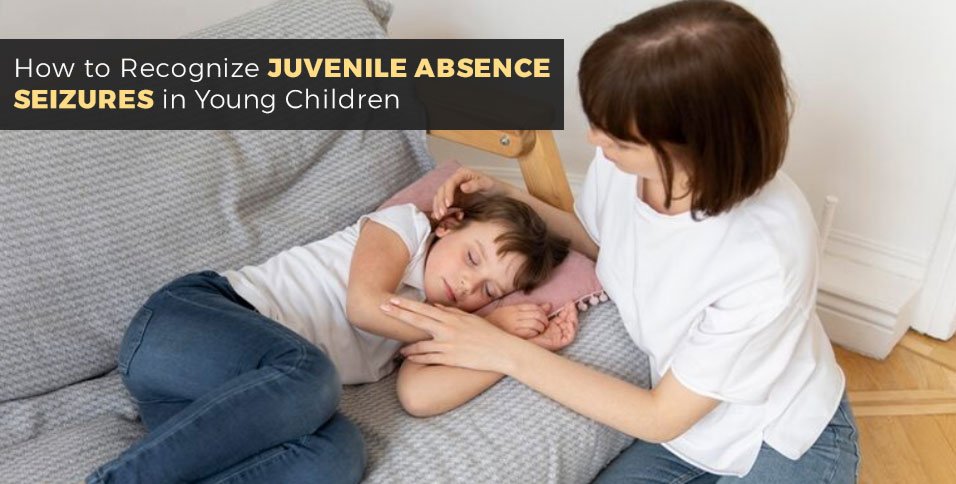
Juvenile absence seizures are brief lapses in awareness that often look like daydreaming, especially in a busy classroom or home. A child may stop speaking, stare ahead, flutter their eyelids, or pause during an activity. The episode usually lasts seconds, then the child returns to normal without confusion. Recognizing this pattern helps caregivers record useful details, seek medical assessment, and distinguish seizures from inattention, fatigue, or ordinary childhood behavior. That record supports a proper assessment.
Families who notice repeated staring episodes should record when they occur, how long they last, and what the child does afterward. A short video can help a clinician review the event, as long as recording does not delay care or create risk. For guidance on diagnosis, treatment planning, and daily support, caregivers can read about juvenile absence seizures alongside advice from a pediatric neurologist.
What does an absence seizure look like?
An absence seizure often begins suddenly. The child stops responding, pauses mid-sentence, or stares with a blank expression. Some children blink rapidly, flutter their eyelids, chew, or make small hand movements. The episode usually lasts 5 to 30 seconds.
Afterward, the child generally resumes the previous activity immediately. Confusion, sleepiness, or a headache is less typical than after some other seizure types. A child might not remember the episode, even though people nearby noticed it.
These events can happen several times during a day. Teachers might report missed instructions, incomplete work, or brief pauses during reading. Caregivers might notice episodes during meals, conversations, games, or television viewing.
What signs need closer attention?
Repeated episodes deserve medical attention when they share a similar pattern. Caregivers should watch for:
- A sudden pause with no response to the child’s name.
- Rapid eyelid fluttering or small repeated movements.
- Episodes that stop as quickly as they begin.
- Frequent lapses during schoolwork or conversations.
- A return to normal behavior without confusion.
- Other events involving muscle jerks, stiffening, or loss of consciousness.
Juvenile absence epilepsy usually begins between ages 9 and 13, although seizure disorders can appear outside that range. Many children have normal cognitive development. Attention, mood, or learning difficulties can still occur and deserve discussion with the child’s healthcare team.
How do doctors confirm the diagnosis?
A clinician begins with the child’s history and a description of each event. The examination covers timing, awareness, movement, recovery, sleep, medications, and family history.
An electroencephalogram records the brain’s electrical activity. During testing, the clinician might ask the child to breathe deeply for several minutes. This can bring on an absence seizure in some children. The recording helps distinguish absence seizures from daydreaming or attention difficulties.
Juvenile absence epilepsy is one of the idiopathic generalized epilepsies. This group usually appears during childhood or adolescence without a structural brain abnormality. Diagnosis depends on the child’s symptoms and electroencephalogram findings, rather than observation alone.
What should caregivers do during an episode?
Caregivers should stay nearby and keep the child away from immediate hazards. They should not shake the child, place anything in the mouth, or force a response. Once the episode ends, the child can return to the activity if fully alert and safe.
A written seizure log should include the date, time, setting, possible trigger, duration, observed movements, and recovery. Teachers and other caregivers should know what the episodes look like and how to document them.
Emergency help is needed for a seizure lasting five minutes or longer, repeated seizures without recovery, breathing trouble, serious injury, or a first seizure involving prolonged unconsciousness. A neurologist can provide a personal emergency plan.
Why does early assessment matter?
Untreated absence seizures can interrupt learning, conversations, and safety awareness. A child who repeatedly misses instructions near a street, pool, or playground faces added risk. Accurate diagnosis also matters because some medications used for other seizure types can worsen absence seizures.
Parents or caregivers should arrange an appointment with a pediatric neurologist or epilepsy specialist. A one-page medical summary can list observed episodes, current medications, emergency contacts, and relevant medical history. This record gives the care team a clear starting point.
Conclusion
A brief stare becomes more concerning when it repeats, follows the same pattern, and includes a sudden loss of response. Caregivers should document each event, alert the child’s clinician, and share observations with teachers. A pediatric neurologist can use the history and an electroencephalogram to assess the cause. The next practical step is to begin a seizure log today and arrange medical review, especially if episodes affect schoolwork, conversations, or safety.