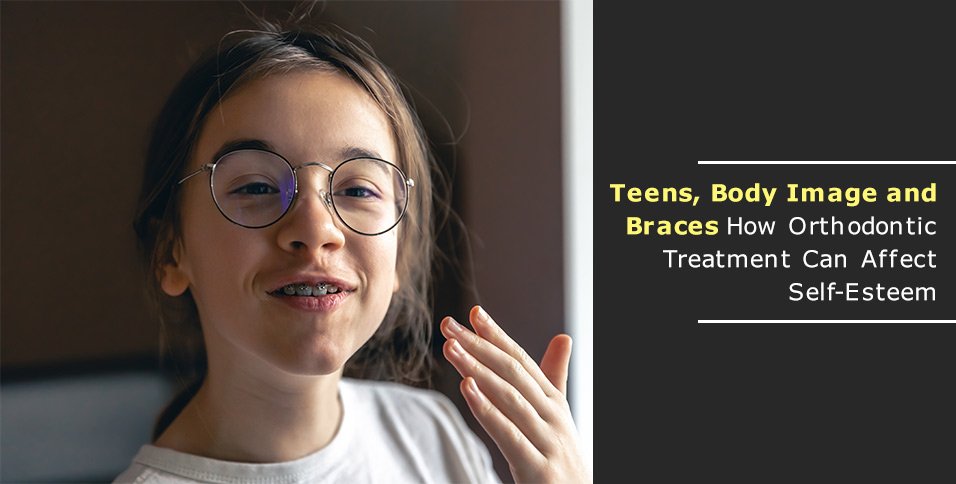
There are very few aspects of someone’s appearance with as much social meaning as the smile. During adolescence, as identity takes shape and self-awareness sharpens, how a young person feels about their teeth can become closely tied to how they feel about themselves.
While some teens see an uneven or crowded smile as a minor detail, others see it as a source of self-consciousness that shapes how often they smile, speak up, or let themselves be photographed. Braces can bring hope, and they can also bring a new layer of awareness about appearance.
Counselors, nurses, and case managers are often among the first to notice when appearance concerns begin to affect a teen’s well-being. Understanding what the evidence says about orthodontic treatment and self-esteem helps professionals offer support that is both compassionate and grounded.
Self-Image and the Adolescent Smile
Adolescence is a period of rapid physical and emotional change. Teens become more attuned to how others see them, and facial appearance, including the smile, is part of that growing self-image.
Concerns about teeth are often developmentally ordinary. They deserve a respectful hearing, though, because they can influence confidence, social comfort and willingness to engage. Taking a teen’s feelings about their smile seriously, without dismissing or magnifying them, is a good starting point for any conversation.
How Peers Respond to Dental Appearance
Peer reactions can play a part in how teens view their smiles. In a cross-sectional study of 920 sixth-grade students in Amman, Jordan, 47% of the 11- and 12-year-olds surveyed reported being bullied, and teeth were “the number 1 feature targeted for bullying, followed by strength and weight.” The study reflects one age group in one city, so its figures should not be assumed to apply everywhere.
Unkind peer experiences are not unusual for American teens either. The Centers for Disease Control and Prevention reports that about one in five high school students reported being bullied on school property in the past year. For clinicians, these findings are a reminder to ask gently about social experiences whenever a teen expresses distress about their appearance.
Does Orthodontic Treatment Improve Self-Esteem?
What the Evidence Shows
It is natural to expect that a straighter smile will lead to a more confident teen. The research suggests the relationship is more complex.
A 2023 systematic review of orthodontic treatment and self-esteem examined 16 studies: five randomized controlled trials, seven cohort studies, and four cross-sectional studies. Only six reported an increase in self-esteem after treatment, and the results could not be pooled into a meta-analysis.
The included studies did not agree on the influence of fixed appliances, gender or age. The authors graded the quality of evidence from very low to low and concluded that there is “low evidence indicating that fixed orthodontic treatment can improve patients’ SE,” calling for high-quality randomized trials.
Why Expectations Matter
Orthodontic care can help a teen feel better about their smile, but it is best not presented as a remedy for low self-esteem. Self-worth draws on family, friendships, school and identity, and the smile is one part of a much larger picture.
Framing treatment this way protects teens from disappointment. It also keeps the focus on the broader supports that help confidence grow.
The Emotional Journey of Treatment
Typical orthodontic treatment for teens unfolds over a long period of time, and feelings about it can shift along the way. Many teens enjoy watching their smile change. Some also feel self-conscious about how the appliances look or grow impatient for treatment to end.
Both reactions are understandable. A brief, warm check-in during treatment gives a teen room to talk about what they are experiencing and reminds them that mixed feelings are part of the process.
Recognizing When Appearance Concerns Run Deeper
Body Dysmorphic Disorder in Dental Settings
For most teens, concern about their smile stays within a healthy range. A smaller number may have body dysmorphic disorder (BDD), and dental settings are one place it can come to light.
A systematic review of BDD prevalence across settings estimated the weighted prevalence at 2.2% among adolescents and 5.2% in orthodontic and cosmetic dentistry settings. The authors concluded that BDD “is common in some psychiatric and cosmetic settings but is poorly identified.”
Signs That May Warrant a Referral
Because BDD can be overlooked, clinicians benefit from noticing patterns that suggest a teen may need mental health support alongside dental care:
- Distress that seems far out of proportion to a minor dental concern
- Persistent preoccupation with the teeth or smile
- Continued dissatisfaction even after a good treatment result
In these situations, a thoughtful referral for mental health evaluation can serve the teen better than further dental work.
Supporting Teens: Guidance for Counselors, Nurses and Case Managers
Teens do not always volunteer that their smile is on their mind. An open, neutral question about how they feel about their appearance or their smile can signal that the topic is welcome, and listening without judgment builds the trust that makes further conversation possible.
Practical Steps
- Validate feelings. Concerns about appearance are real to the teen, even when a dental issue seems minor to others.
- Set realistic expectations. Families can hear, honestly, that treatment may improve how a teen feels about their teeth while broader self-esteem may benefit from other supports.
- Normalize mixed feelings during treatment. Excitement and self-consciousness can coexist, and naming both can ease the experience.
- Watch for disproportionate distress. Persistent preoccupation or dissatisfaction despite a good result is a signal to consider a mental health referral.
- Coordinate care. When appearance concerns affect a teen’s well-being, an orthodontic evaluation can work alongside counseling and family support rather than in place of them.
Bringing Dental and Emotional Care Together
How a teen feels about their smile deserves the same attention as how their teeth line up. Dobie Revolution Orthodontics, with offices in Hamden and Guilford, Connecticut, notes on its website that the AAO recommends all children see an orthodontist by age 7, and that most children will not require early treatment.
For helping professionals, the goal is balanced, compassionate care. Listen closely to how teens feel about their smiles, keep expectations of treatment grounded in the evidence, and remember that confidence grows from many sources. Braces can be one meaningful part of that support.