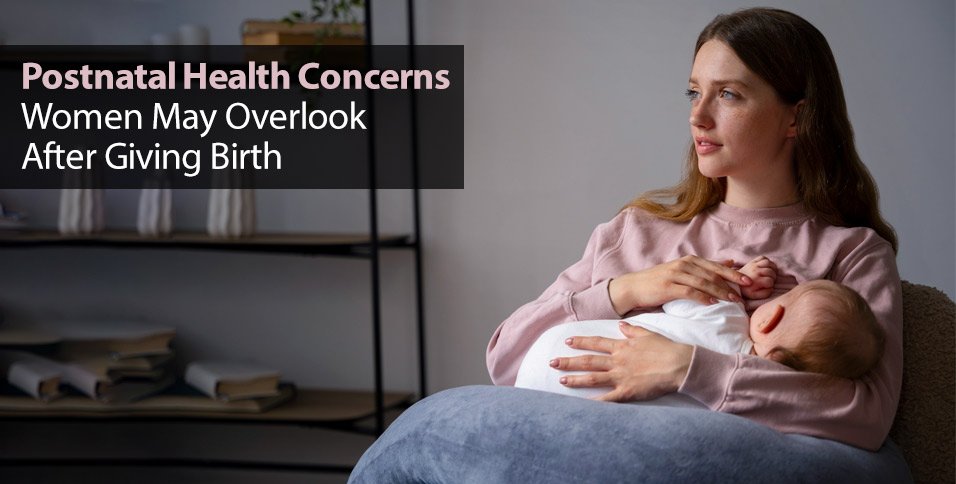
After giving birth, much of the attention naturally shifts to feeding, settling and caring for the newborn. At the same time, the mother’s body is recovering from pregnancy and delivery, whether the birth was vaginal, assisted or by Caesarean section.
Tiredness, bleeding, soreness and emotional changes can occur during recovery. However, the fact that a symptom appears after childbirth does not automatically mean it should be accepted as part of becoming a mother.
Some postnatal concerns develop gradually, become noticeable only after the first few weeks or are overlooked because daily life is centred on the baby. Knowing which changes deserve attention can help women seek appropriate care when recovery is not progressing as expected.
Postnatal Recovery Does Not Follow One Timeline
The early weeks after delivery involve considerable physical and hormonal change.
The uterus gradually contracts, post-delivery bleeding changes over time, wounds heal and the breasts adapt to feeding. Sleep disruption and the demands of caring for a newborn can also affect how a woman feels physically and emotionally. Recovery is not identical for every mother.
Factors that can influence it include:
- Whether the birth was vaginal or by Caesarean section
- Perineal tearing or an episiotomy
- Blood loss during delivery
- Pregnancy or delivery complications
- Breastfeeding
- Previous health conditions
- Sleep and practical support at home
Some Symptoms Are Easy to Dismiss When You Are Caring for a Newborn
New mothers may be more likely to postpone discussing their own symptoms because they are tired, adapting to feeding schedules or concentrating on their baby’s health.
Concerns such as ongoing pelvic discomfort, urinary leakage or emotional distress may therefore receive less attention than they would at another stage of life.
If symptoms are persistent or affecting recovery, discussing them with a female gynae can help determine whether they are expected postnatal changes or whether further assessment is appropriate.
Postnatal care is not limited to checking that an incision or tear has healed. It can also involve discussing bleeding, bladder and bowel function, breast symptoms, mental health, sexual health, contraception and ongoing effects from pregnancy or childbirth.
Postnatal Bleeding Should Generally Become Lighter Over Time
Vaginal discharge and bleeding after birth are known as lochia.
The amount and appearance change as the uterus recovers. Bleeding is usually heavier earlier in the postnatal period and becomes lighter over time.
What matters is the overall pattern.
Seek medical advice if bleeding:
- Suddenly becomes significantly heavier after having decreased
- Is accompanied by dizziness or marked weakness
- Occurs with severe abdominal or pelvic pain
- Has an unpleasant smell together with fever or feeling unwell
- Causes concern because the pattern appears to be worsening rather than improving
Very heavy or uncontrolled bleeding requires urgent medical attention.
Women who experienced significant blood loss around delivery may also be advised to have follow-up for anaemia depending on their clinical circumstances.
A Healing Wound Can Still Need Attention
Recovery can involve a Caesarean incision, episiotomy wound or perineal tear.
Some discomfort is expected early on, but healing should generally progress rather than become increasingly painful.
Signs that warrant assessment can include:
- Increasing redness
- Swelling
- Worsening pain
- Discharge or pus from the wound
- The wound appearing to separate
- Fever or feeling unwell
Pain can also affect mobility, sleep and the ability to care for a newborn.
Women should follow the wound-care instructions provided after delivery and seek advice when healing does not appear to be progressing as expected.
Urinary Leakage Is Commonly Normalised, but It Still Deserves Discussion
Pregnancy and childbirth place additional pressure on the pelvic floor.
After delivery, some women notice urinary leakage when coughing, sneezing, laughing or exercising. Others may experience urinary urgency or difficulty controlling the bladder.
Because these symptoms are frequently associated with childbirth, women may assume they simply need to live with them.
However, persistent urinary symptoms can be discussed during postnatal care. Assessment may help determine whether pelvic floor rehabilitation or another form of management is appropriate.
Difficulty passing urine, painful urination or symptoms suggestive of infection should also be raised rather than attributed automatically to childbirth.
Bowel Changes and Anal Symptoms May Be Overlooked
Pelvic floor recovery involves more than bladder function.
Some women experience constipation, haemorrhoids, discomfort passing stools or changes in bowel control following pregnancy and delivery.
Women who experienced significant perineal tearing during a vaginal delivery may require particular follow-up if they develop difficulty controlling wind or bowel movements.
These symptoms can be embarrassing to discuss, but they are medically relevant.
Persistent bowel-control problems, severe pain or symptoms that interfere with daily activities should be brought to the attention of a healthcare professional.
Pelvic or Back Pain Can Continue Beyond the Early Recovery Period
Back, pelvic and perineal discomfort may occur after childbirth.
Changes during pregnancy, delivery itself and repeatedly lifting or feeding a newborn can all contribute to musculoskeletal discomfort.
However, pain that persists or substantially limits normal activity should not automatically be dismissed as part of motherhood.
It is particularly important to seek assessment if pain is:
- Severe
- Becoming worse
- Associated with fever
- Accompanied by abnormal bleeding or discharge
- Affecting walking or normal activities
The location and nature of the pain can help determine whether it is more likely to be related to pelvic floor recovery, musculoskeletal strain, a wound or another postnatal concern.
Breast Pain Is Not Always Just Part of Breastfeeding
Breastfeeding can involve an adjustment period, particularly when milk supply is becoming established.
Fullness and tenderness may occur, but persistent localised redness, increasing pain, fever or feeling shivery and unwell can indicate that further assessment is needed.
Breastfeeding-related concerns can include:
- Engorgement
- Sore or damaged nipples
- Difficulty with latching
- Blocked milk ducts
- Breast inflammation or infection
- Concerns about milk supply
Seeking support earlier can be useful when pain or feeding difficulties are making breastfeeding difficult.
A lactation consultant or healthcare professional can assess feeding technique and determine whether a breast symptom needs medical treatment.
Emotional Recovery Deserves the Same Attention as Physical Recovery
Changes in mood during the days following childbirth are common.
Some mothers experience temporary tearfulness, irritability or emotional sensitivity during the early postnatal period. These feelings are sometimes described as the “baby blues” and usually settle within a short period.
Postnatal depression is different.
Symptoms that persist, become more intense or interfere with day-to-day functioning may include:
- Ongoing low mood
- Frequent tearfulness
- Loss of interest or enjoyment
- Withdrawal from other people
- Significant anxiety
- Feelings of guilt or worthlessness
- Difficulty concentrating
- Persistent difficulty coping
- Disturbed sleep beyond what would be expected from caring for the baby
Mental health is an important part of postnatal recovery.
In Singapore, postnatal depression is estimated to affect approximately 6.8% to 10.4% of mothers.
Women experiencing persistent emotional difficulties should discuss them with an appropriate healthcare professional rather than assuming that struggling emotionally is simply part of adjusting to motherhood.
Thoughts of harming yourself or your baby require immediate help.
Headaches and Swelling Should Not Always Be Put Down to Exhaustion
New mothers often experience lack of sleep, which can make headaches and tiredness seem unsurprising.
However, significant headaches, visual disturbances, shortness of breath or other concerning symptoms after delivery should not automatically be attributed to sleep deprivation.
High blood pressure disorders associated with pregnancy can remain clinically relevant after childbirth.
Seek prompt medical assessment if a severe or persistent headache occurs alongside symptoms such as:
- Blurred vision or other visual changes
- Shortness of breath
- Significant swelling
- Severe upper abdominal pain
- Feeling acutely unwell
Your pregnancy history is important when such symptoms are assessed, particularly if high blood pressure or pre-eclampsia occurred during pregnancy.
One-Sided Leg Pain or Swelling Needs Prompt Attention
Pregnancy and the postnatal period are associated with an increased risk of blood clots.
New calf pain, warmth, redness or swelling affecting one leg should therefore not simply be treated as muscle soreness from carrying the baby or being less active.
Chest pain or sudden difficulty breathing also requires urgent medical attention.
These symptoms can have different causes, but potentially serious conditions need to be excluded promptly.
Women should seek emergency care rather than waiting for a routine postnatal appointment when severe breathing difficulty, chest pain or other acute symptoms develop.
Pain During Sex May Continue After the Six-Week Mark
Resuming sexual activity after childbirth is highly individual.
Physical healing, vaginal dryness, breastfeeding-related hormonal changes, perineal injury, fatigue and emotional readiness can all affect how intercourse feels.
Some women experience persistent pain during sex but hesitate to mention it because they assume it is expected after giving birth.
Pain that continues or makes intercourse difficult can be discussed during a postnatal or female gynaecology assessment.
Depending on the cause, evaluation may consider:
- Perineal or scar healing
- Vaginal dryness
- Pelvic floor muscle changes
- Infection
- Other causes of pelvic discomfort
Women should not feel pressured to resume intercourse according to a fixed timetable. Physical and emotional readiness differ between individuals.
Contraception Can Be Relevant Before Periods Return
The absence of a menstrual period after childbirth does not necessarily mean pregnancy cannot occur.
Ovulation can return before the first postnatal period.
For women who do not wish to conceive again immediately, contraception can therefore be part of the postnatal discussion.
The appropriate method depends on factors such as:
- Breastfeeding
- Medical history
- How recently delivery occurred
- Previous contraception
- Future pregnancy plans
- Personal preferences
A female gynae in Singapore can discuss postnatal contraception alongside recovery and future reproductive plans rather than treating the decision separately from maternal health.
Previous Pregnancy Complications May Still Matter After Delivery
Giving birth does not always mean that conditions identified during pregnancy are no longer relevant.
Women who experienced gestational diabetes, hypertension or other pregnancy complications may require additional follow-up according to the condition involved.
The purpose of follow-up may include confirming that the pregnancy-related change has resolved or identifying whether ongoing monitoring is required.
This is another reason why postnatal care should consider the mother’s broader medical history rather than focusing only on healing from the delivery itself.
When Should You Seek Medical Attention After Giving Birth?
Contact a healthcare professional if you are uncertain about a symptom or if recovery appears to be moving in the wrong direction.
Symptoms that warrant medical attention include:
- Bleeding that becomes unexpectedly heavy
- Fever or feeling significantly unwell
- Increasing wound pain, redness or discharge
- Persistent or worsening pelvic or abdominal pain
- Painful or red breasts accompanied by feverish symptoms
- Problems passing urine
- Persistent urinary or bowel leakage
- Severe or persistent headaches
- Visual disturbances
- Significant emotional distress
- Symptoms of postnatal depression
Seek urgent or emergency medical attention for symptoms such as:
- Uncontrolled or very heavy bleeding
- Chest pain
- Severe difficulty breathing
- Seizures
- Fainting or severe weakness with significant bleeding
- Painful swelling in one leg accompanied by concerning symptoms
- Thoughts of harming yourself or your baby
Do not wait for a scheduled postnatal review when symptoms appear urgent.
Postnatal Care Should Continue to Include the Mother
Caring for a newborn can easily become the centre of daily life, but maternal recovery remains important after leaving hospital.
Postnatal care can include discussions about:
- Recovery from delivery
- Wounds and bleeding
- Breastfeeding
- Pelvic floor health
- Bladder and bowel symptoms
- Mental well-being
- Sexual health
- Contraception
- Previous pregnancy complications
Women seeking a consultation may wish to discuss concerns that have persisted since pregnancy or delivery, even long after the initial postnatal period.
Some childbirth-related conditions can continue beyond the traditional early recovery window. Persistent symptoms should therefore be assessed according to the problem itself rather than dismissed simply because several weeks or months have passed since delivery.
The postnatal period involves more than recovering from the immediate effects of childbirth.
Bleeding, wound discomfort, bladder leakage, pelvic floor changes, breast symptoms, pain and emotional changes can all occur during recovery. While some improve as the body heals, symptoms that persist, worsen or interfere with everyday life deserve attention.
Certain warning signs, including very heavy bleeding, severe breathing difficulty, chest pain, significant leg swelling or thoughts of self-harm, require urgent medical care.
Most importantly, maternal health should not disappear from view once the baby is born. Paying attention to physical and emotional recovery can help women identify when a postnatal change is improving as expected and when further assessment is appropriate.