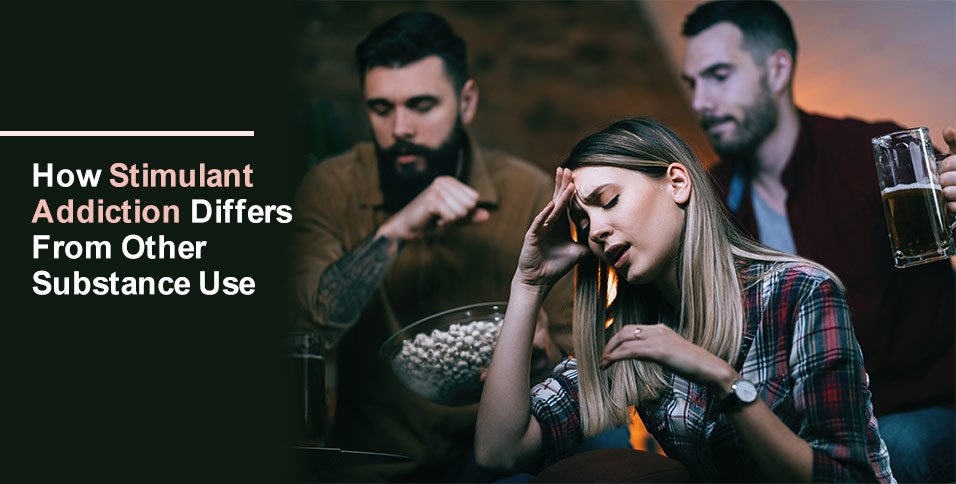
When people talk about addiction, the conversation often centers on alcohol or opioids. Stimulants, such as methamphetamine, cocaine, and misused prescription medications for attention disorders, sometimes get less attention. Yet stimulant use affects many individuals and families, and it comes with its own set of challenges.
Understanding how stimulant addiction differs from other types of substance use can help people recognize the warning signs, know what to expect in early recovery, and find the kind of support that fits.
Why the First Days Without Stimulants Are So Hard
Stimulants push the brain and body into overdrive, increasing energy, alertness, and feelings of pleasure. When someone stops using after a period of heavy use, the body often swings in the opposite direction. People commonly describe deep exhaustion, low mood, increased appetite, restless or excessive sleep, and strong cravings. Unlike withdrawal from some other substances, the hardest symptoms are often emotional rather than physical, and feelings of hopelessness or irritability can be intense. Supervised detox in Spokane or other communities can provide a safe, calm setting to get through this stage, with staff who can monitor both physical and emotional health and help connect people to the next step in treatment.
Having support during these first days can make it easier to push through the low point instead of returning to use to feel “normal” again.
How Stimulants Affect the Brain and Body
Stimulants increase the activity of certain chemical messengers in the brain, particularly dopamine, which is linked to pleasure, motivation, and reward. This is why stimulants can produce a strong rush of energy and confidence.
Over time, repeated use can change how the brain’s reward system works. Everyday activities may start to feel less enjoyable, while the desire to use grows stronger.
Common Short-Term Effects
- Increased energy and alertness
- Decreased appetite
- Rapid heart rate and higher blood pressure
- Talkativeness or restlessness
- Trouble sleeping
Possible Long-Term Effects
- Weight loss and poor nutrition
- Dental and skin problems, especially with methamphetamine
- Anxiety, paranoia, or mood swings
- Memory and concentration difficulties
- Strain on the heart and blood vessels
A Changing and More Dangerous Drug Supply
Stimulant use has become more risky in recent years. According to the Centers for Disease Control and Prevention (CDC), overdose deaths involving stimulants such as cocaine and methamphetamine have risen, and many of these deaths also involve opioids like illegally made fentanyl.
Because fentanyl is sometimes mixed into other drugs without the user knowing, people who believe they are only using stimulants may still be exposed to opioids. This makes awareness, naloxone access, and treatment more important than ever.
How Stimulant Addiction Differs From Other Substances
Every type of substance use disorder is serious, but stimulants have some distinct features.
Patterns of Use
Stimulant use often happens in binges, sometimes called runs, where a person uses repeatedly over hours or days without sleeping or eating much. These binges are usually followed by a “crash” of exhaustion and low mood.
Withdrawal Experience
Withdrawal from alcohol or certain medications can carry serious physical risks. Stimulant withdrawal is usually less physically dangerous, but the emotional effects, such as depression, anxiety, and intense cravings, can be severe and may last for weeks.
Treatment Approaches
There are FDA-approved medications for opioid and alcohol use disorders, but there are currently no FDA-approved medications specifically for stimulant use disorder. Treatment relies mainly on behavioral therapies and support.
What Treatment Typically Includes
Even without a specific medication, stimulant addiction is treatable. Effective care often combines several approaches:
- Cognitive behavioral therapy (CBT) to identify triggers and build new coping skills
- Contingency management, which uses rewards to encourage and reinforce sobriety
- Group therapy and peer support for connection and accountability
- Treatment for co-occurring conditions such as anxiety or depression
- Family involvement to rebuild trust and communication
- Nutrition and sleep support to help the body recover
Recovery from stimulant use can take time, especially as the brain’s reward system rebalances. Many people find that motivation and enjoyment gradually return with continued support.
Warning Signs for Families
Loved ones are often the first to notice changes. Signs that someone may be struggling with stimulant use include:
- Periods of unusual energy followed by long stretches of sleep
- Rapid weight loss or loss of appetite
- Increased secrecy, irritability, or paranoia
- Money problems or missing valuables
- Pulling away from friends, family, or responsibilities
If you are concerned, approaching the person with care rather than blame can make it easier for them to accept help.
Treatment That Goes the Distance
Stimulant addiction brings unique challenges, from intense crashes to a lack of specific medications. But with the right mix of safe early support, behavioral therapy, and ongoing connection, people can and do recover.
If you or someone you love is struggling with stimulants or any other substance, reaching out to a doctor or treatment provider is an important first step. Recovery is a process, and support is available at every stage along the way.