Health outcomes are shaped long before anyone walks into a clinic. They are shaped by whether a family can afford to miss a day of work, whether a bus runs near the medical center, whether a person understands the instructions on a bottle of medication, and whether anyone in the neighborhood believes the health system is on their side.
In places where these conditions are stacked against people, illness is caught late, chronic conditions go unmanaged, and preventable problems turn into emergencies. Improving outcomes in these communities is rarely a matter of building something new and expensive. It is usually a matter of closing the distance between services that already exist and the people who cannot reach them.
Why Access to Care Breaks Down
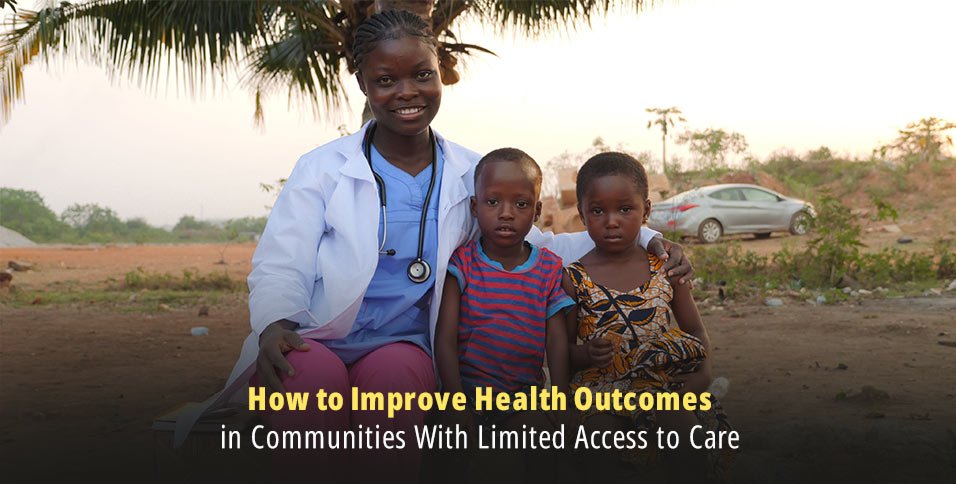
In many neighborhoods, the difficulty is not that health services are missing altogether but that the space between those services and the people who need them keeps widening. Community health workers are the ones who usually stand in that space, and the problem is that far too few communities have anyone filling that position at all.
What these places need is trained local support, someone who lives in the area and understands its language, its routines, and its practical obstacles. Bringing in a community health worker gives a neighborhood a steady point of contact who can link residents to services they would otherwise never reach. Once that link exists, the rest of the health system becomes far easier for ordinary families to use.
Common Barriers That Keep People From Getting Help
Barriers to care tend to be practical rather than dramatic. Transportation is one of the largest. A clinic that sits forty minutes away by car might as well be in another state for a family without a vehicle or a reliable bus route. Cost is another. Even when a visit is affordable, the lost wages, childcare, and travel expenses around it are not.
Scheduling creates its own wall. Clinics that open at nine and close at five are closed during every hour that a shift worker is available. Language adds a further layer, since a person who cannot follow a conversation about their own treatment will often avoid the conversation entirely. Paperwork and eligibility rules discourage people who have already been turned away once.
The Role of Trust in Local Health Efforts
Trust decides whether services get used. Communities that have been overlooked, dismissed, or treated carelessly in the past carry that memory, and it shapes how they respond to new programs. A well-funded initiative that arrives without warning and leaves after two years does more harm than good, because it confirms what people already suspected.
Trust is built slowly and through consistency. It grows when the same faces return, when promises are kept at a small scale before they are made at a large one, and when residents are asked what they need rather than told what they are getting. It grows when local leaders, faith groups, and neighborhood organizations are treated as partners rather than as a mailing list.
Bringing Services Closer to Where People Live
Physical distance is one of the easiest barriers to fix and one of the most commonly ignored. Mobile clinics, pop-up screening events at schools and places of worship, and pharmacy partnerships all move the service toward the person instead of demanding the reverse.
Extended hours matter just as much as location. A site that opens early, stays open in the evening, or offers weekend appointments will serve people who cannot take time off during the day. Telephone and video appointments help where internet access is reliable, though they are not a substitute for in-person care and should never be treated as one.
Small adjustments often produce the largest results. A shuttle service, a walk-in hour, or a partnership with a grocery store parking lot can raise participation more than a major renovation of a distant facility.
How Clinics and Local Organizations Can Work Together
Health outcomes are shaped by housing quality, food supply, employment, and safety as much as by medicine. Clinics that operate in isolation from the organizations addressing those issues end up treating the same problems repeatedly.
Practical coordination means shared referral routes, agreed points of contact, and a common understanding of who handles what. A food bank that knows which clinic to call, and a clinic that knows which agency can help with housing, together cover ground that neither can cover alone. Regular meetings between local groups prevent duplicated effort and reveal gaps that nobody had noticed.
This kind of cooperation costs very little. It mostly requires that the organizations involved stop working around each other and start working with each other.
Ways to Measure Real Improvement
Programs are often judged by how busy they look rather than by what they change. Counting attendance at an event says nothing about whether anyone’s health improved. Better measures look at whether chronic conditions are being managed, whether emergency visits for preventable problems are falling, and whether people are returning for follow-up care rather than disappearing after one visit.
Feedback from residents belongs in this picture too. Asking people directly whether they found the service useful, whether they felt respected, and whether they would return will expose problems that no report can. Programs that collect this information honestly can correct course early. Programs that avoid it tend to repeat the same mistakes for years.
Building Progress That Lasts
Lasting improvement in these communities comes from steady, unglamorous work: removing practical obstacles, earning trust, teaching prevention in plain language, connecting services that were never designed to speak to one another, and following through after the first visit. None of it produces immediate results, and none of it makes for an impressive announcement.
What it does produce is a community where care is reachable, where people act early instead of late, and where health is no longer decided by geography or income alone. That is a slower kind of progress, but it is the kind that holds.