How does the body remember an infection and respond more effectively when the same pathogen enters again? This question lies at the very heart of human immunology. The adaptive immune system is a specialized, highly sophisticated part of your body’s defense mechanism that targets specific invaders rather than reacting to general threats.
Unlike your innate immune system, which acts as an immediate, broad-spectrum barrier, the adaptive immune system recognizes specific pathogens, activates targeted immune cells, and develops long-term immune memory. This sophisticated immunity network is the biological foundation behind natural recovery and modern vaccination.
What Is the Adaptive Immune System?
The adaptive immune system, also known as acquired immunity, is the body’s specialized defense mechanism that recognizes and targets specific antigens. An antigen is any molecule or molecular structure, commonly found on the outer surface of pathogens like viruses, bacteria, and fungi, that is recognized and bound by the immune system.
The adaptive immune system relies on three defining characteristics:
- Specificity: It recognizes particular antigen structures rather than responding to general threat patterns.
- Diversity: It can generate a remarkably wide range of different antigen receptors to handle millions of unique threats.
- Immunological memory: It remembers previously encountered pathogens, allowing the body to mount a faster and stronger response upon re-exposure.
This adaptive immune system develops gradually through direct exposure to pathogens or through safe immunization protocols. According to the World Health Organization (WHO) data, robust vaccination programs utilizing these adaptive mechanisms have successfully prevented millions of infectious disease deaths globally over the past several decades.
How Does the Adaptive Immune System Work?
The adaptive immune response unfolds as a precise, multi-step sequence of coordinated cellular events:
- Pathogen recognition: When a pathogen breaches initial barriers, specialized innate immune cells called dendritic cells detect, capture, and process it.
- Antigen presentation: These antigen-presenting cells carry pathogen fragments to local lymph nodes, displaying them on their surfaces using major histocompatibility complex (MHC) molecules.
- T-cell activation: T cells inspect these presented fragments via their T-cell receptors (TCRs), triggering their activation if a match occurs.
- B-cell activation: B cells recognize matching antigens directly through their surface receptors and receive essential secondary signals from helper T cells.
- Clonal expansion: Activated lymphocytes multiply rapidly to create a massive army of cells programmed to target that exact pathogen.
- Immune elimination: Effector B and T cells clear the threat through targeted antibody production and the destruction of infected host cells.
- Memory formation: A subset of activated lymphocytes converts into long-lived memory cells, standing guard for future protection.
What Are the Main Cells of the Adaptive Immune System?
The heavy lifting of adaptive immunity is performed by white blood cells called lymphocytes, which originate from hematopoietic stem cells in the bone marrow.
1. B Cells
- Developed and matured entirely within the bone marrow.
- Express distinctive surface receptors designed to bind specific antigens.
- Differentiate into plasma cells (which secrete thousands of protective antibodies per second) and memory B cells (which ensure long-term vigilance).
2. T Cells
- Formed in bone marrow but travel to the thymus gland to mature.
- Helper T cells (CD4+): Coordinate the entire immune response by releasing signaling proteins called cytokines.
- Cytotoxic T cells (CD8+): Directly identify and destroy virally infected or cancerous body cells.
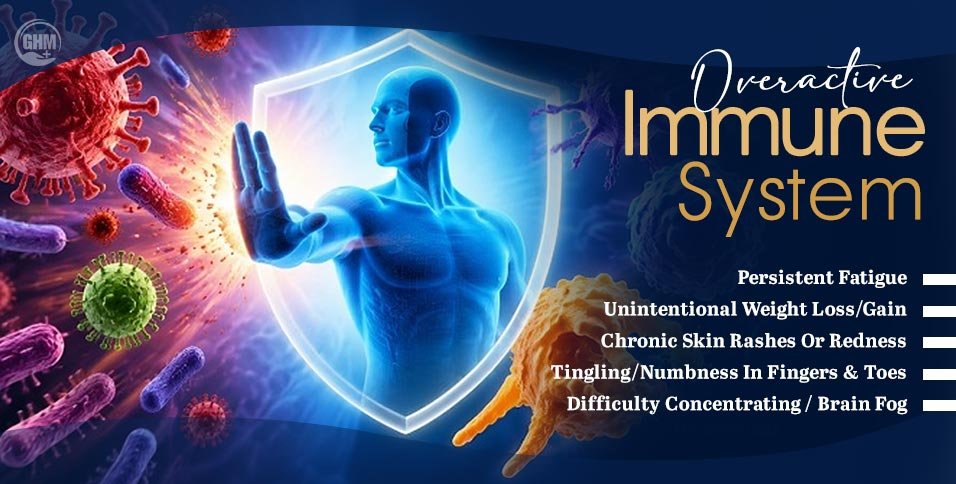
- Regulatory T cells (Tregs): Act as the immune system’s safety brake, suppressing responses of the overactive immune system to prevent damage to healthy tissues.
3. Antigen-Presenting Cells (APCs)
- Cells like dendritic cells and macrophages that bridge innate and adaptive immunity by capturing and displaying antigens to T cells.
What Are the Two Types of Adaptive Immunity?
Functions of Adaptive immunity through two complementary branches:
- Humoral Immunity (Antibody-Mediated): Primarily driven by B cells and circulating antibodies. It protects against extracellular pathogens and toxins floating freely in blood and bodily fluids.
- Cell-Mediated Immunity: Primarily driven by T cells. It targets intracellular threats, utilizing cytotoxic T cells to eliminate host cells already hijacked by viruses or bacteria.
What’s the Role of Antibodies In Adaptive Immune System?
Antibodies, also known as immunoglobulins, are large, Y-shaped proteins secreted by plasma cells. They protect the host via three primary mechanisms:
- Neutralization: Blocking pathogens and toxins from attaching to healthy host cells.
- Opsonization: Tagging invaders so that phagocytic cells can easily recognize and engulf them.
- Complement activation: Triggering blood proteins that directly destroy bacterial cell walls.
The five primary antibody classes include,
- IgM (the first responder)
- IgG (the most abundant long-term protector)
- IgA (guarding mucosal linings in the lungs and gut)
- IgE (implicated in allergic responses)
- IgD.
Adaptive vs. Innate Immune System: What Is the Difference?
| Feature | Innate Immunity | Adaptive Immunity |
| Response Time | Minutes to hours | Several days |
| Specificity | General threat patterns | Highly specific to individual antigens |
| Main Cells | Macrophages, neutrophils, NK cells | B cells and T cells |
| Immunological Memory | None | Long-term memory developed |
| Primary Function | Immediate first-line defense | Targeted, lasting protection |
How Does the Adaptive Immune System Develop Immunological Memory?
Immunological memory is the biological marvel that prevents you from catching certain illnesses repeatedly. Following an initial infection or vaccination, a fraction of activated B and T cells survive as long-term memory cells.
When the same pathogen reappears years later, these veteran cells recognize it instantly, proliferating rapidly to clear the threat before symptoms can develop. Vaccines harness this exact natural pathway by introducing harmless antigens or genetic blueprints, safely training your adaptive defenses without causing disease.
What If the Adaptive Immune System Does Not Work Properly?
When adaptive immunity misfires or falters, clinical complications arise:
- Primary Immunodeficiencies: Conditions where B-cell or antibody production fails, leaving individuals vulnerable to recurring bacterial infections.
- Autoimmune Diseases: Failures in self-tolerance cause T cells or antibodies to mistakenly attack healthy body tissues (such as in type 1 diabetes or multiple sclerosis).
- Allergies: Inappropriate adaptive responses against harmless environmental substances like pollen or dust.
Conclusion
The adaptive immune system provides targeted, sophisticated protection that bridges immediate survival with lifelong health. Through the intricate coordination of B cells, T cells, antibodies, and immunological memory, the body successfully defends itself against an ever-changing landscape of microscopic threats. Understanding these foundational mechanisms of the human body highlights the incredible value of natural immunity and medical vaccination strategies in maintaining wellness.
Sanskruti Jadhav
Frequently Asked Questions
- Can the adaptive immune system fight cancer?
Yes. Cytotoxic T cells can identify abnormal proteins expressed on the surface of malignant tumor cells and trigger their destruction, forming the basis for modern cancer immunotherapy.
- How long do memory cells last in the body?
Memory cells can survive for decades, providing lifelong immunity against certain viral infections like measles, though others may require booster shots due to natural pathogen mutation rates.
- Can stress temporarily weaken adaptive immunity?
Yes, chronic psychological or physical stress elevates cortisol levels, which can suppress lymphocyte proliferation and reduce the overall efficiency of both T-cell and B-cell activation pathways.