When you hear about mobile medical support, it can sound like something reserved for celebrities, extreme emergencies, or action movies with too many sirens. In reality, these services fill a practical gap in healthcare that many people run into at the worst possible moment. If you or someone close to you needs safe transport, on-site care, or medical supervision outside a hospital, understanding how these services work can save time, stress, and a lot of unnecessary guesswork.
What Medical Escort and Mobile Care Services Include
If you picture an ambulance every time someone says mobile medical care, you’re only seeing one piece of the puzzle.
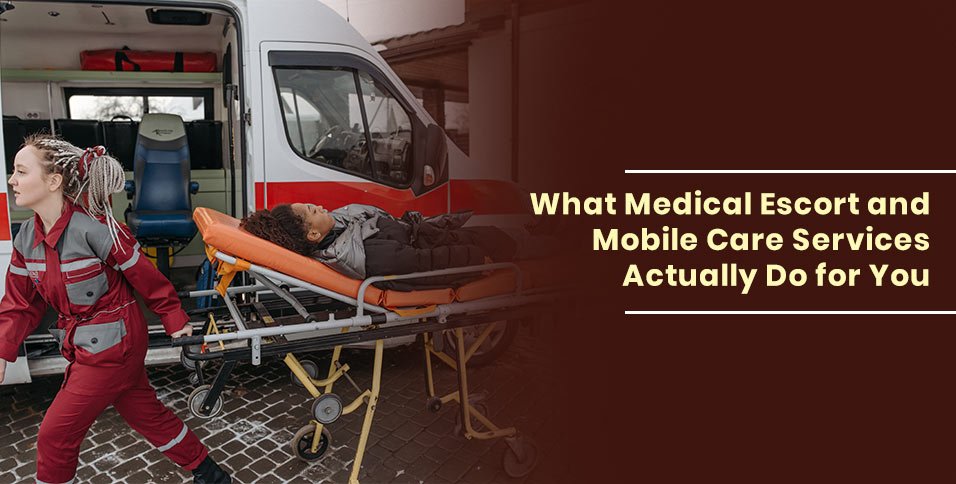
Medical escort and mobile care services can include supervised transportation, standby event coverage, wellness checks, post-discharge monitoring, and on-site clinical support. Some providers also help when a patient needs to travel between cities, attend a specialist appointment, or return home safely after a procedure.
The key difference is the level of care built around the person’s condition. You may need a basic escort for safety and observation, or you may need trained clinicians with equipment and emergency response skills. That range matters.
A provider offering professional medic services typically supports situations where standard transportation or casual supervision just won’t cut it. Think less “taxi with good intentions,” more structured care plan with wheels.
When You Might Need This Type of Support
You don’t need to be in critical condition to benefit from mobile care. Plenty of real-life situations fall into the middle ground between “totally fine” and “call 911 immediately.”
You might need support if you’re recovering from surgery, managing a chronic illness, helping an older parent travel, or coordinating care for someone with mobility or cognitive challenges. Patients leaving the hospital often look stable on paper while still needing close observation during transport and the first few hours afterward.
Event organizers also use medical teams for concerts, sports tournaments, private gatherings, and corporate functions. That isn’t overkill. It’s risk management with a pulse check.
A few common situations include:
– Hospital discharge with follow-up monitoring
– Long-distance patient transport
– Medical standby at events
– Non-emergency support for elderly travelers
– Care during private transfers between facilities
How to Tell the Difference Between Basic Transport and Clinical Care
A common mistake is assuming every transport option offers the same level of medical oversight. They don’t.
Basic transport may simply move a person from one place to another. Clinical care services add trained personnel, monitoring, equipment, and the ability to respond if the patient’s condition changes mid-trip. That distinction becomes crucial when medications, oxygen support, fall risk, post-op complications, or unstable vital signs are involved.
If you’re arranging care, ask direct questions:
– Who will accompany the patient?
– What certifications do they hold?
– What equipment is available during transport?
– Can they handle medication administration or emergency stabilization?
– Is the service built for non-emergency comfort, medical oversight, or both?
You’re not being difficult by asking. You’re doing what hospitals, case managers, and smart families do every day: checking whether the service matches the actual medical need.
What Good Providers Usually Get Right
The best services do more than show up on time with a stretcher and a confident tone.
Strong providers focus on communication, patient dignity, preparedness, and smooth coordination with families or healthcare teams. They understand that logistics matter just as much as medical skill. If a service can’t clearly explain pickup timing, staffing, equipment, and contingency planning, that’s a red flag.
You should also look for signs of professionalism in the small details:
– Clear intake and booking process
– Licensed or properly trained staff
– Transparent service scope
– Calm communication under pressure
– Respect for privacy and patient comfort
Good care often feels organized rather than dramatic. That’s a positive sign. In healthcare, boring can be beautiful. Quiet competence usually beats flashy promises.
Real-World Benefits for Families, Patients, and Event Planners
Mobile medical support can solve problems that regular healthcare systems don’t handle very gracefully. Hospitals treat and discharge. Families worry and improvise. Somewhere in between, patients still need practical help.
For families, the biggest benefit is peace of mind backed by actual clinical oversight. You’re not left wondering if your relative can safely manage stairs, medications, or a long ride home. For patients, there’s less stress and often more comfort than navigating a crowded emergency pathway for a non-emergency need.
For event planners, having trained medical personnel on-site helps with compliance, crowd safety, and faster response when someone gets injured or overheated. It also reduces the chance that a manageable issue turns into a full operational headache.
These services don’t replace hospitals or primary care. They bridge the messy gaps between them, which is often where people need the most help.
How to Choose the Right Service Without Getting Overwhelmed
Choosing a provider gets easier once you focus on fit instead of fancy branding.
Start with the person’s actual needs. Are you arranging travel supervision, post-op support, elder transport, or event coverage? Then match that need to staff qualifications, response capability, scheduling flexibility, and equipment. If the provider works with clinical cases regularly, they should be able to explain their process without vague marketing language.
Pay attention to reviews, but don’t stop there. Ask how they handle changes in patient condition, delays, and coordination with family members or facilities. Reliable providers tend to answer clearly because they’ve done it many times.
The best choice usually comes down to three things:
– Appropriate medical capability
– Dependable communication
– A service model that respects both safety and comfort
When care has to move with you, details matter. The right support can make a stressful day feel managed instead of chaotic.