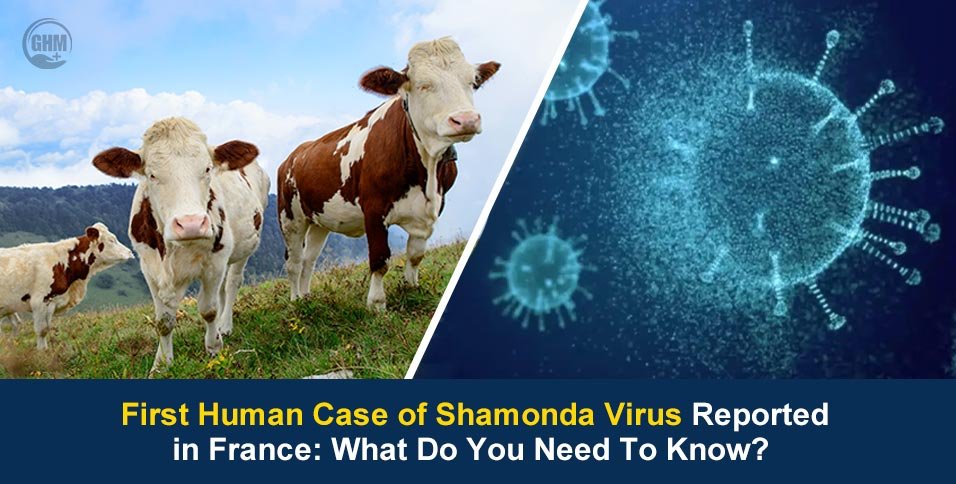
France has reported the first human case of Shamonda virus, a pathogen previously detected in animals, raising new questions about its ability to infect people. The patient, who had a severely weakened immune system, died in early October 2026 after developing neurological complications. French health authorities are investigating whether the infection contributed to the death and how the patient contracted the virus. The European Centre for Disease Prevention and Control (ECDC) is monitoring the situation with national and international partners. Authorities currently consider the risk to the general public low, with no evidence of sustained human-to-human transmission.
The first human case of Shamonda virus marks a significant scientific development because researchers had not previously documented a human infection with this virus.
How Was The First Human Case of Shamonda Virus Detected in France?
The patient was receiving hospital treatment in Lyon for a serious underlying illness. French officials reported that the patient’s immune system could not adequately protect the body against infections.
Health authorities said the patient experienced neurological complications before dying. Although officials believe the complications were likely linked to the infection, investigators have not established whether Shamonda virus caused or contributed to the death.
Experts caution that one case does not establish how frequently the virus can infect people or how severe the illness might be.
What Is Shamonda Virus?
Shamonda virus belongs to the Orthobunyavirus genus within the Peribunyaviridae family. It is part of the Simbu group of viruses, which also includes Schmallenberg virus, an infection known to affect livestock.
Researchers first isolated Shamonda virus from cattle in Nigeria in 1965. They subsequently identified it in parts of Africa and Asia, including Japan. Until the recent report from France, the virus was known primarily as an animal pathogen rather than a cause of human disease.
The first human infection with Shamonda virus has therefore prompted researchers to investigate its potential effects on human health. Scientists still need more evidence to understand whether the virus can cause illness in healthy people and whether undetected infections have occurred previously.
How Does Shamonda Virus Spread?
Shamonda virus transmission primarily occurs through bites from infected Culicoides midges, tiny biting insects that carry the virus between susceptible animals.
French authorities suspect that an infected midge transmitted the virus to the patient. The individual lived in an area of eastern France where the virus had circulated among livestock earlier in 2026.
Authorities identified the Shamonda virus in livestock during the summer, with subsequent detections across several European countries, including France, Germany, Switzerland, Austria, Belgium, Italy, Spain and the Netherlands.
However, investigators have not confirmed the precise route of infection or identified the specific midge species involved.
Authorities have reported no evidence of cattle-to-human transmission or human-to-human spread in this first human case of shamonda virus.
How Does Shamonda Virus Infection Spread In Livestock?
Cattle are among the most commonly affected animals by the Shamonda virus. Reported Shamonda virus symptoms in livestock include:
- Fever, diarrhoea, and reduced appetite.
- Lower milk production in dairy cattle.
- Reproductive complications, including abortions and fetal malformations.
- Neurological problems reported in some affected horses.
Should People Be Concerned About Shamonda Virus Risk?
French authorities and international health experts currently consider the risk of shamonda virus to the wider public low.
The World Health Organization (WHO) has indicated that, based on current information and knowledge of related viruses, this first human case of Shamonda virus is an isolated incidence unlikely to lead to wider spread at present.
Nevertheless, several important questions about Shamonda virus remain unanswered:
- Can healthy people contract Shamonda virus without developing noticeable symptoms?
- What symptoms would the infection cause in humans?
- How often could the virus lead to severe illness?
- Could further human infections occur in areas where the virus circulates among animals?
The first human case of Shamonda virus has created the need for continued scientific investigation and to know more about Shamonda virus infection in humans.
What Happens Next in Shamonda Virus Investigation?
The ECDC is working with French authorities, European partners and relevant laboratories to monitor developments, strengthen testing capacity and identify any additional potential human cases.
The investigation aims to clarify what caused the first human case of Shamonda virus and whether Shamonda virus contributed to the death. Authorities are also assessing the broader implications of the virus’s spread among European livestock.
Currently, there is no commercially available Shamonda virus vaccine, according to WOAH. Animal-health prevention measures therefore focus on reducing exposure to biting midges and monitoring suspected infections.