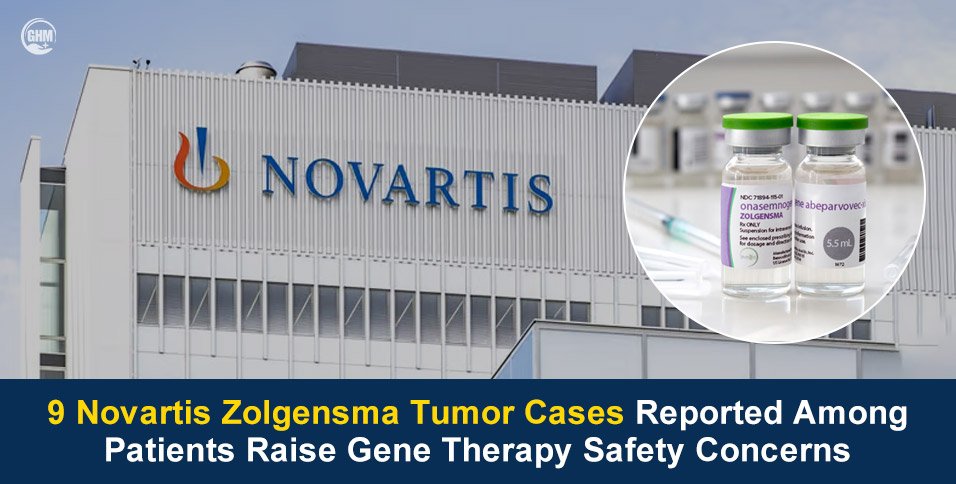
Novartis has disclosed nine reports of tumors in patients who previously received its spinal muscular atrophy (SMA) gene therapy, Zolgensma, raising fresh concerns about the treatment’s long-term safety. Of these Novartis Zolgensma tumor cases, two showed evidence of gene therapy vector DNA integration into patients’ DNA. The company confirmed that both patients received treatment for their tumors and remain under medical monitoring.
More than 6,000 patients worldwide have received Novartis’ gene therapy treatment Zolgensma since its approval in 2019. The disclosure of Zolgensma side effects has prompted concerns among families and patient advocacy groups, while regulatory authorities review the available evidence.
Novartis Zolgensma Tumor Cases Confirmed Since 2019
According to Novartis, it has received nine reports of tumors in patients previously treated with Zolgensma since the therapy’s first approval in 2019. Seven of these Zolgensma tumor cases were previously unknown to the wider public.
The company shared information about the Novartis Zolgensma Tumor reports with healthcare professionals earlier in the week before patient advocacy groups and social media brought the development into public attention.
Novartis stated that it continuously evaluates new safety information and assesses reported cases as part of its medicine safety monitoring process.
Novartis also confirmed that it notified relevant health authorities about the 9 Zolgensma tumor cases and would continue working with them to determine the next steps.
Importantly, the 9 9 Novartis Zolgensma Tumor reports do not represent nine confirmed treatment-related tumors. The available findings indicate a possible safety signal that requires further assessment.
2 Novartis Zolgensma Tumor Cases Show Evidence of DNA Integration
The most significant finding in the Novartis Zolgensma Tumor report involves two patients whose tumor analyses showed evidence of vector DNA integration into their genetic material.
Zolgensma uses an adeno-associated virus (AAV) vector to deliver a functional copy of the SMN1 gene into patients’ cells. This gene helps the body produce survival motor neuron (SMN) protein, which supports the functioning of motor neurons.
However, vector DNA can sometimes integrate into a patient’s genetic material. This process may disrupt normal gene activity and potentially contribute to abnormal cell growth.
Scientists call this process insertional mutagenesis. It describes changes that occur when introduced genetic material inserts itself into a cell’s DNA and affects nearby genes.
The UK National Multidisciplinary Team (MDT) for Zolgensma reported that pathology testing had been completed on three of the nine tumors. Two were found to be related to Zolgensma treatment, while one appeared unrelated.
Novartis confirmed that the two patients whose tumors showed evidence of vector DNA integration received treatment and continue to be monitored.
Zolgensma Safety Concerns Raise Questions About Long-Term Monitoring
The latest Novartis Zolgensma tumor cases have renewed attention to a potential risk already mentioned in the treatment’s prescribing information.
The product information identifies a theoretical risk of tumor development associated with AAV vector integration. However, the recent findings have increased interest in understanding how this risk may affect patients after treatment.
The Novartis Zolgensma Tumor reports also highlight the importance of long-term safety monitoring for gene therapies, particularly treatments that deliver genetic material into the body.
Zolgensma received US Food and Drug Administration (FDA) approval in May 2019 for eligible children with Spinal muscular atrophy. It is a one-time gene therapy designed to address the underlying genetic cause of the condition.
Although the treatment has provided an important option for children with SMA, the latest findings on Novartis Zolgensma tumor cases have raised additional questions about its long-term safety profile.
Patient Advocacy Groups Seek Transparency Over Zolgensma Side Effects
The disclosure of Novartis Zolgensma gene therapy has raised concerns among families, particularly parents of children who have already received the treatment or are considering it.
The Muscular Dystrophy Association (MDA) said it takes the reports seriously and is reviewing available scientific and safety information with clinical and research experts. The organization has also contacted Novartis to seek further details.
MDA highlighted that information about the timing and nature of the tumors remains limited. It emphasized the importance of transparent communication and science-based information to help families make informed decisions.
Similarly, SMA Europe called for timely public communication from Novartis, stating that families should not have to rely on social media or incomplete reports to understand potential treatment risks.
The organization also confirmed that regulatory authorities are actively assessing the available evidence.
Regulatory Authorities Review Novartis Zolgensma Tumor Reports
Regulatory authorities are examining the reported 9 Novartis Zolgensma tumor cases to determine whether further safety measures are necessary.
According to the UK National MDT’s November 4 safety update, no changes to routine care or follow-up were recommended at that time. The team also stated that additional scans, tests, or monitoring were not needed based on the information then available.
However, these recommendations apply to the UK clinical context and may change as further evidence emerges. Novartis has stated that it will continue working with health authorities and evaluating new safety information.