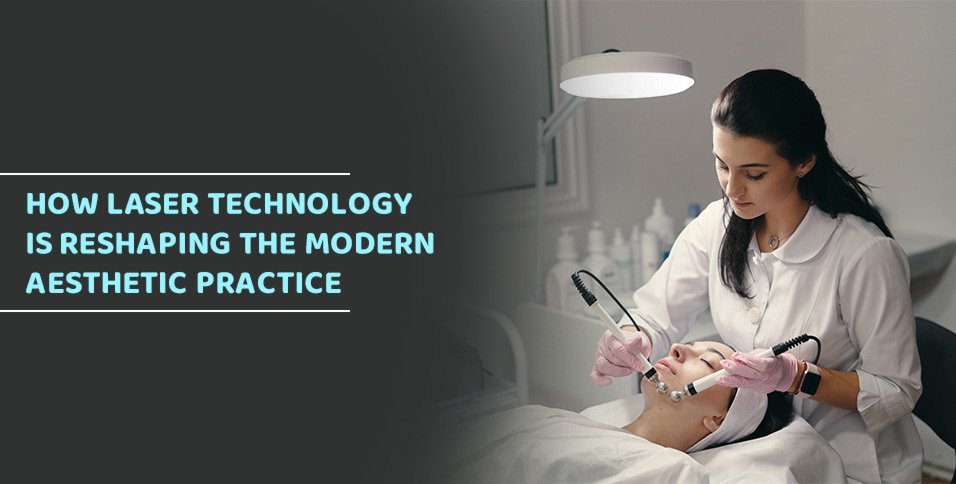
For a modern aesthetic practice, a laser is more than another device in the treatment room. Its wavelength, pulse duration, and delivery method influence which concerns clinicians can address and which patients are appropriate candidates. Dermatology clinics and medspas use laser and related energy-based procedures for wrinkles, acne scars, benign pigmentation, unwanted hair, and tattoos.
This broader treatment menu creates opportunities to tailor care, but also raises decisions about training, equipment costs, scheduling, and aftercare. Understanding both clinical capabilities and operational demands helps practitioners introduce services without mistaking versatility for universal suitability.
The Growing Role of Laser Technology in Aesthetic Medicine
Aesthetic laser technology directs concentrated light toward targets such as water or pigment in tissue. The selected wavelength and pulse duration help determine the treatment effect, while cooling and operator technique influence how surrounding skin responds. Ablative lasers remove controlled portions of the skin surface, often producing more substantial resurfacing and longer recovery. Nonablative resurfacing systems heat targeted tissue without removing the epidermis, generally offering less downtime and more gradual improvement than ablative resurfacing.
What makes laser treatments in dermatology valuable is not simply the range of indications. Modern devices offer fractional patterns, adjustable settings, and application-specific handpieces that support individualized treatment. A practice still needs to match the device to its patients, clinicians’ experience, and the outcomes it can reasonably provide.
Four Laser Applications Transforming Aesthetic Treatments
Four applications illustrate how treatment plans differ by target tissue, skin characteristics, and acceptable recovery time.
Skin Resurfacing and Rejuvenation
Laser skin resurfacing addresses fine lines, acne scars, uneven texture, and selected sun damage. Carbon dioxide (CO2) and erbium-doped yttrium aluminum garnet (Er:YAG) lasers are established options for ablative resurfacing. Er:YAG generally produces less residual thermal injury than CO2, but treatment depth, recovery, and results depend on the device, settings, and delivery technique.
Fractional delivery treats columns of tissue rather than the entire surface, leaving surrounding skin intact to assist healing. Nonablative fractional approaches usually have less downtime but may require more sessions. Practitioners must weigh scar depth, pigmentation risk, patient goals, and recovery expectations.
Pigmentation Correction and Uneven Skin Tone
Laser pigmentation treatment directs energy toward selected pigments, allowing clinicians to address sunspots and some benign lesions after proper diagnosis. Intense pulsed light (IPL) also treats certain pigmentation concerns, but its broad-spectrum light is not a laser.
Suspicious pigmented lesions require medical evaluation before cosmetic treatment. Device selection is especially important for darker skin tones, where post-inflammatory pigment changes are more likely. Melasma requires additional caution because laser exposure can trigger recurrence or worsening. Depending on the diagnosis, non-device treatments may be more appropriate.
Laser Hair Removal
Laser hair removal technology targets melanin in hair and follicles, damaging structures associated with regrowth. Diode and alexandrite lasers are common options, while long-pulsed 1064-nm neodymium-doped yttrium aluminum garnet (Nd:YAG) lasers may be appropriate for darker skin when used by experienced practitioners with suitable settings and cooling.
Selection depends on skin tone, hair color, hair thickness, and the treatment area. Because follicles cycle through different growth phases, multiple sessions are generally needed. Very light or gray hair may respond poorly. Treatment can provide lasting hair reduction, although regrowth and maintenance sessions remain possible.
Tattoo Removal
Laser tattoo removal delivers brief pulses that fragment ink particles, enabling the body to clear some pigment over time. Q-switched and picosecond systems are used, with wavelength selection guided partly by ink color.
Black ink often responds better than certain brighter colors, but tattoo depth, pigment composition, previous treatments, and skin type also affect outcomes. Multiple sessions are usually necessary, with healing time between appointments. Complete clearance is not guaranteed, and patients need to understand the risks of lingering pigment, light or dark patches, and scarring.
Choosing the Right Laser Technology for a Modern Practice
A single-purpose device can support a high-volume service, while a multi-treatment platform may offer more scheduling flexibility. Neither option is automatically more economical. A purchasing review should account for regulatory status for each intended use, projected appointment volume, space, consumables, warranty terms, equipment servicing, and the cost of interruptions.
These details are particularly important when considering laser equipment for medspas, where one room or operator may serve several different treatments each day. A live demonstration can reveal workflow and handling limitations.
Choosing the right technology starts with understanding the services a practice intends to offer and the needs of its patient population. A dermatology clinic focused on skin resurfacing may prioritize different laser capabilities than a medspa expanding into hair removal or tattoo removal. When evaluating aesthetic laser equipment, practitioners can compare treatment applications, supported skin types, operating requirements, staff training, and maintenance needs. A shortlist organized around planned services makes it easier to compare how each system would fit the practice’s daily workflow.
How Laser Treatments Support Practice Growth and Patient Experience
Expanding laser treatment services may help a practice address more patient needs within one coordinated care plan. Someone seeking acne scar treatment, for example, may also want guidance on pigmentation or ongoing skin care, but the appropriate next step must follow a clinical assessment rather than a preset package.
Consultations are central to the patient experience. They establish indications, expected treatment courses, recovery requirements, and costs before anyone commits. Hair reduction and tattoo removal often involve multiple visits, making reminder systems, documentation, and clear follow-up instructions important. Standardized photographs can help assess progress across successive visits.
From an operational perspective, adding services affects room use, staffing, appointment duration, and equipment maintenance. Sustainable aesthetic practice growth depends on sufficient local demand, qualified operators, consistent outcomes, and realistic operating expenses, not simply a longer list of procedures.
Patient Safety and Practitioner Training Remain Essential
Aesthetic laser safety begins well before a device is switched on. Practitioners need to assess skin type, tanning history, medications, active infections, a history of cold sores, scarring tendency, prior treatments, and the condition being treated. Screening can reveal contraindications or reasons to postpone a procedure, while informed consent should cover discomfort, downtime, limitations, and alternatives.
Device-specific laser treatment training is essential because settings that are suitable for one skin type or indication may be unsafe for another. Practices also need protective eyewear selected for the laser’s wavelength and required optical density, appropriate patient eye protection, controlled treatment areas, documented protocols, and aftercare instructions. Procedures that generate laser plume require appropriate local smoke evacuation and staff protection. Regular maintenance checks and incident documentation provide another layer of safety oversight.
Burns, blistering, pigment changes, infection, eye injury, and scarring are possible complications. Careful patient selection, monitoring, and a clear escalation process help reduce avoidable harm, but no laser is appropriate for everyone.
The Next Phase of Laser Technology in Aesthetic Medicine
The future of aesthetic laser technology is likely to center on greater control rather than ever-stronger energy delivery. Refinements in fractional patterns, pulse duration, cooling, and selectable wavelengths can help clinicians tailor how energy reaches different targets. Platforms that support multiple indications may offer operational flexibility, although clinical performance must still be assessed treatment by treatment.
For practice managers, new features also introduce decisions about staff competency, maintenance, workflow integration, and whether patient demand justifies additional capabilities. Laser innovations in dermatology are most useful when supported by sound evidence, regulatory compliance, and continuing professional education. As treatment choices evolve, clinical judgment remains the bridge between technical capability and meaningful patient care.