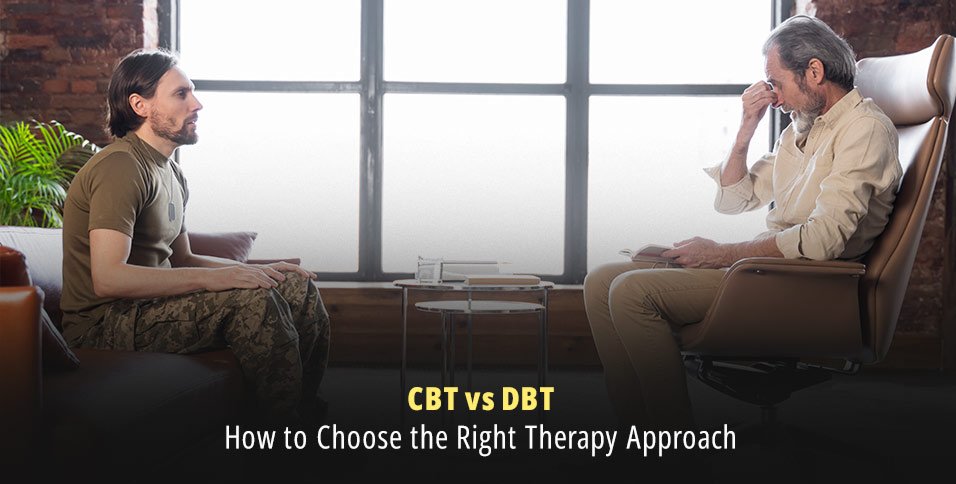
CBT is usually the better fit if you want to change specific patterns of thinking and behavior linked to problems like anxiety, depression, panic, insomnia or phobias. DBT is often the better choice if you experience intense, fast-changing emotions, struggle with impulsive or self-destructive behavior, or find relationships repeatedly overwhelming. Both are well-researched, structured approaches, and DBT actually grew out of CBT, adding acceptance and emotional regulation skills for people who need more than thought-focused techniques.
The right choice depends on what you’re struggling with, how intense those struggles feel and how much time and structure you’re ready to commit to. A clinician trained in both can help you decide, and many people benefit from elements of each.
What CBT Focuses On
Cognitive behavioral therapy is built on the idea that thoughts, feelings and behaviors influence one another. When you’re anxious or depressed, certain thoughts can become distorted, such as assuming the worst, seeing yourself as a failure or believing you can’t cope. Those thoughts shape how you feel and what you do, which can reinforce the problem.
In CBT, you learn to notice these patterns and test them against evidence. A therapist might help you challenge a catastrophic thought, gradually face situations you’ve been avoiding or rebuild routines that lift your mood. Sessions tend to be practical and goal-focused, and homework between sessions is common, such as tracking thoughts or practicing new behaviors.
CBT has one of the strongest research bases of any psychotherapy. Studies consistently support its effectiveness for depression and a wide range of anxiety disorders, and specialized versions target specific issues, such as exposure and response prevention for obsessive-compulsive disorder and CBT for insomnia.
What DBT Adds to the Picture
Dialectical behavior therapy was developed in the late 1980s and early 1990s by psychologist Marsha Linehan, originally to help people with chronic suicidal thoughts and borderline personality disorder. She found that standard CBT, with its focus on change, sometimes left people feeling criticized or misunderstood. DBT balances change with acceptance, which is where the word dialectical comes from.
DBT teaches four main groups of skills. Mindfulness helps people stay present and notice thoughts and feelings without being swept away by them. Distress tolerance offers ways to get through crises without making things worse. Emotion regulation helps people understand and manage intense feelings, and interpersonal effectiveness focuses on asking for what you need and setting boundaries while maintaining relationships and self-respect.
Standard DBT is more intensive than typical CBT. It usually combines weekly individual therapy with a weekly skills group, plus coaching between sessions to help people use skills in real situations. Many practices also offer DBT-informed therapy, which uses DBT skills within individual sessions without the full program.
Which Concerns Each Approach Treats Best
CBT tends to suit people whose difficulties center on specific, identifiable patterns. If you experience persistent worry, panic attacks, social anxiety, depression, health anxiety or trouble sleeping, CBT offers clear tools for tackling those problems. It’s also often the first recommendation for people who want a shorter, focused course of therapy. For people drawn to that kind of practical, goal-oriented work, cognitive behavioral support can provide a clear structure for understanding what keeps problems going and how to change them step by step.
DBT is often a better fit when emotions feel overwhelming and hard to control. Research has shown DBT can reduce self-harm and suicide attempts, and it’s widely used for borderline personality disorder. It has also been adapted for eating disorders, substance use, and adolescents who struggle with emotional regulation. People who describe going from calm to intensely upset very quickly, or who feel their emotions drive impulsive decisions, often benefit from DBT skills.
There’s significant overlap. Someone with depression may find DBT skills useful for managing intense emotions, while someone in DBT will still work on changing unhelpful thoughts and behaviors. Many clinicians draw on both approaches depending on what a person needs at different stages.
Time, Structure and Commitment
CBT is often shorter-term. Many courses of CBT run for roughly 12 to 20 sessions, although this varies depending on the issue and progress. Sessions are usually weekly and focused on specific goals, making CBT a practical option for people with busy schedules who want targeted help.
Standard DBT typically requires a bigger commitment. Programs often last six months to a year, and participants attend both individual sessions and a skills group each week. That time investment reflects the depth of the skills being learned and the intensity of the challenges DBT is designed to address.
Both approaches involve work outside sessions. CBT homework may include thought records or practicing new behaviors, while DBT participants practice skills daily and often complete diary cards to track emotions and actions. The more you engage with this practice, the more benefit you’re likely to see.
Questions to Ask Before Choosing
Start by thinking about your main concerns. Are you dealing with specific worries, low mood or avoidance, or do you struggle more with intense emotions, impulsive behavior and relationship conflict? Your answer will point toward one approach or the other.
When speaking with a clinician, ask about their training. Full DBT programs require specialized training and team consultation, so it’s reasonable to ask whether a practice offers comprehensive DBT or DBT-informed care. For CBT, ask which specific methods they use for your concern, such as exposure therapy for anxiety or behavioral activation for depression.
Consider practical factors too, including session frequency, availability of skills groups, virtual options and cost. Most importantly, pay attention to how comfortable you feel with the clinician, since the therapeutic relationship plays a big role in outcomes regardless of approach.
If you ever feel unsafe or have thoughts of harming yourself, contact emergency services or call or text 988 to reach the Suicide and Crisis Lifeline in the United States.
If you’re unsure which approach fits, book an initial consultation and describe what you’re experiencing as honestly as you can. A good clinician will explain the options, recommend a starting point and adjust as they learn more about you. The right approach is the one that matches your needs today, and it can change as you make progress.