What Cold Lake families can look for to simplify preventive care, treatment planning, scheduling, and changing dental needs over time
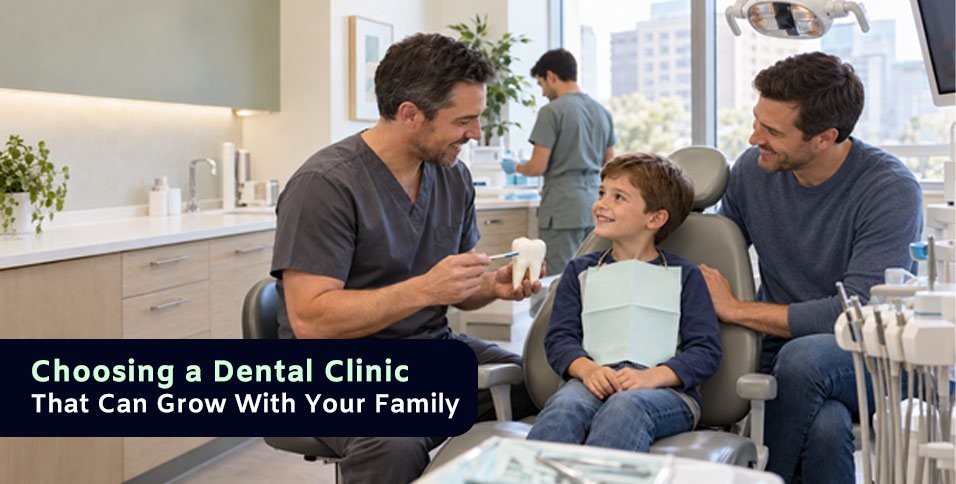
Choosing dental care for a household involves more than finding somewhere to book a cleaning. Children’s needs change as they grow, adults may require restorative treatment, and unexpected dental concerns can disrupt already busy schedules. For families in Cold Lake, evaluating a clinic based on continuity, communication, convenience, and the range of care available can make long-term dental planning more manageable.
Look Beyond Today’s Appointment
A family’s dental needs rarely remain the same. One person may only need routine examinations and hygiene appointments, while another may eventually require a filling, crown, root canal, wisdom tooth assessment, or another form of treatment.
That makes continuity of care worth considering when comparing dental clinics. A practice that provides preventive care alongside a broader range of restorative and surgical services may allow a household to maintain more of its dental history and treatment planning in one place.
The Canadian Dental Association recommends regular dental examinations and professional cleanings as part of preventive care, with appointment frequency based on each patient’s individual needs and oral-health risks.
When considering a Cold Lake dental clinic, families can review the preventive, restorative, surgical, sedation, and technology-supported services available and consider whether those services align with both current and potential future needs. Tri-Town Dental, for example, lists care ranging from examinations and hygiene to crowns, bridges, root canal therapy, wisdom tooth treatment, implants, and sedation options.
Make Treatment Recommendations Easier to Understand
Cost is only one part of a treatment decision. Families also need to understand what is being recommended, why it is needed, whether alternatives exist, and what should be prioritized.
Before agreeing to treatment, patients can ask for an explanation of the diagnosis, proposed procedure, expected sequence of care, and available options. When several treatments are recommended, asking whether care can be prioritized or completed in stages may also make planning easier.
This matters because oral-health concerns do not always cause obvious symptoms in their early stages. The Government of Canada notes that gum disease, for example, can develop gradually without significant pain. Regular assessment therefore helps patients identify concerns they might not recognize on their own.
A useful decision-stage CTA is simple: before treatment begins, ask what needs attention now, what can reasonably wait, and what information is available about expected costs or coverage.
Plan Dental Care Around Family Life
Routine dental care competes with school, work, childcare, shift schedules, travel, and other household responsibilities. When appointments become difficult to coordinate, preventive care can be easy to postpone.
Planning ahead can reduce that friction. Families may want to ask whether appointments for multiple household members can be coordinated, how far in advance routine visits should be scheduled, and what happens if urgent care becomes necessary.
For Cold Lake households that relocate for work or military postings, continuity creates another consideration. Previous X-rays, information about unfinished treatment, retainers, nightguards, medications, and dental history can help a new practice understand where care left off. Tri-Town Dental specifically notes that it works with posted families to coordinate available records and review ongoing treatment needs when establishing local care.
The practical goal is not to schedule more dentistry. It is to make necessary dental care easier to maintain consistently.
Consider Comfort and Communication, Not Just Services
Dental anxiety can influence whether someone schedules an appointment at all. Concern about discomfort, embarrassment after delayed care, or uncertainty about what a dentist may find can turn a routine decision into something people repeatedly postpone.
For that reason, families should consider how a clinic communicates as well as what procedures it provides. Useful questions include how treatment is explained, whether patients can discuss anxiety before an appointment, and what comfort or sedation approaches may be considered when clinically appropriate.
This is particularly relevant when a family member has avoided dental care for an extended period. A constructive first visit should focus on assessing current needs and discussing realistic next steps rather than creating pressure to address everything immediately.
Use Prevention to Reduce Unnecessary Disruption
Waiting for pain before visiting a dentist can make dental care less predictable. The Canadian Dental Association advises maintaining regular examinations rather than waiting for a toothache or emergency, while Government of Canada guidance notes that tooth decay can contribute to pain, infection, and time away from work or school.
At home, brushing with fluoride toothpaste, cleaning between teeth, monitoring changes in the mouth, and limiting frequent sugary foods and drinks remain important parts of preventive care. Professional visits complement those habits by helping identify problems that may not yet be obvious.
For busy households, planning routine care before symptoms develop can make appointments easier to organize and give families more time to consider treatment choices when something needs attention.
Choose for the Long Term
A family dental clinic should fit more than one moment in time. Considering the range of services, treatment communication, scheduling, preventive approach, and support for anxious patients can help households make a more informed decision.
The most useful next step is to compare those factors against your family’s actual priorities and ask questions before committing to care. A dental relationship that remains practical as circumstances change can make oral-health planning simpler for everyone involved.
Additional Resources
For further information about local dental services and treatment options, families comparing a dentist Cold Lake can review Tri-Town Dental’s service information.