The Trust Behind Every Injection
When patients sit down for an injectable treatment, whether it is Botox, dermal fillers, or a therapeutic injection, they are usually focused on the outcome. They want natural-looking results, smoother skin, relief from discomfort, or simply the confidence that comes from feeling more comfortable in their appearance.
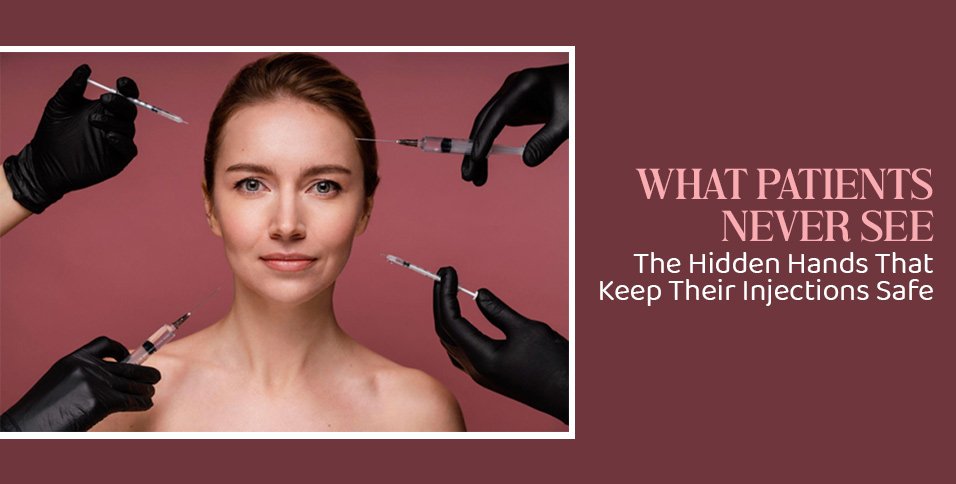
What most patients never see, however, is the intricate safety system operating behind the scenes long before treatment begins.
Every injectable product passes through a complex chain of manufacturers, distributors, logistics professionals, compliance specialists, and healthcare providers before it ever reaches a treatment room. Each step carries responsibility. Every checkpoint matters. And when one part of that process fails, patient safety can be placed at risk.
In modern healthcare, safe injections are not created by a single provider alone. They are the result of disciplined collaboration between clinics and the professionals who manage sourcing, storage, transportation, and product verification every day.
Why Experienced Injectors Never Skip Safety Checks
Ask any experienced nurse injector about patient safety, and they will often describe routines that patients rarely notice.
One aesthetic nurse recalled a moment that permanently reinforced the importance of vigilance in clinical practice. Before every appointment, she routinely verifies expiration dates, examines packaging integrity, and checks lot numbers against shipment records. To some, the process may appear repetitive. In reality, it is one of the most important safeguards in injectable medicine.
During a routine treatment preparation, she noticed a discrepancy in a product label. The formatting differed slightly from previous shipments, prompting her to pause before proceeding. After escalating the concern internally, the clinic discovered a sourcing irregularity that could have compromised patient safety had it gone unnoticed.
The patient never knew how close the clinic came to administering a questionable product. What protected them was not luck; it was process, training, and attention to detail.
These quiet moments rarely receive public recognition, yet they represent the foundation of responsible aesthetic medicine. Behind every successful treatment is a healthcare professional willing to slow down, verify information, and prioritize patient wellbeing over convenience.
The Supply Chain’s Critical Role in Patient Safety
Injections are highly regulated medical products that require careful handling throughout the distribution process. From manufacturing facilities to clinic refrigerators, every stage must maintain strict standards for temperature control, documentation, storage conditions, and traceability.
A single lapse in handling can affect product integrity.
This is why healthcare providers place significant importance on working with reliable sourcing partners. Trusted distributors help clinics maintain consistency while reducing the risks associated with improper storage, counterfeit products, or disrupted supply channels.
The role of wholesale injection suppliers has become increasingly significant as demand for aesthetic and therapeutic injectables continues to grow. Providers today are not simply looking for inventory availability. They are seeking dependable partners who understand the clinical responsibility attached to every shipment.
In many ways, healthcare logistics function as an invisible support structure beneath patient care. Patients may never interact directly with distributors or warehouse teams, but their work contributes significantly to treatment safety and operational reliability within clinics nationwide.
How Supply Disruptions Can Affect Clinical Care
Healthcare supply chains have experienced considerable strain in recent years. Ongoing discussions surrounding medication shortages, compounding safety concerns, and sourcing challenges continue to highlight the vulnerabilities that exist within medical distribution systems.
When shortages occur, clinics often face mounting pressure to secure products quickly in order to maintain continuity of care. Unfortunately, urgency can sometimes create opportunities for unreliable sourcing practices to emerge.
Products obtained through unverified channels may carry risks related to improper handling, incomplete documentation, or compromised authenticity. Even minor inconsistencies in storage conditions can potentially affect injectable quality and performance.
For providers, this creates a difficult balancing act between operational demands and uncompromising patient safety standards.
The most reputable clinics understand that responsible sourcing is not optional during periods of industry pressure; it becomes even more essential. Strong procurement protocols, supplier transparency, and rigorous verification processes help protect both providers and patients from avoidable risks.
Why Ethical Suppliers Matter More Than Ever
In healthcare, suppliers are far more than operational vendors. They are an extension of the patient safety ecosystem.
Responsible distributors understand that every product shipment ultimately reaches a real individual placing trust in a healthcare provider. That understanding shapes how ethical suppliers approach inventory management, compliance standards, quality assurance, and communication with clinics.
The best partners prioritize accountability at every stage of the distribution process. They maintain clear sourcing documentation, support proper storage protocols, and ensure products move through regulated channels designed to preserve integrity and safety. Discussions surrounding injectable distributors continue gaining attention because transparent sourcing and regulatory oversight directly contribute to safer patient outcomes and stronger provider confidence.
This level of diligence may remain invisible to patients, but it directly influences the quality of care they receive.
Much like sterile technique inside a treatment room, supply chain integrity operates quietly in the background while playing a critical role in patient protection.
The Human Side of Healthcare Distribution
Aesthetic medicine is often viewed through the lens of appearance and cosmetic outcomes, but at its core, it remains deeply personal healthcare. Patients place trust not only in the provider, but also in the systems supporting that provider’s decisions.
That trust extends far beyond the treatment chair.
The most respected distributors approach their work with the understanding that every vial, syringe, and injectable product represents more than inventory. Behind each order is a patient expecting safe, effective care delivered under the highest possible standards.
This perspective influences how healthcare partnerships are built.
Clinics benefit from working with suppliers who value long-term accountability over short-term transactions. Strong distribution partnerships create greater consistency, improve operational confidence, and help providers focus on delivering safe patient experiences without uncertainty surrounding product sourcing.
The Safety Patients Never See
Patients often remember the injector, the consultation, or the final result they see in the mirror. What they rarely witness are the countless precautions operating quietly behind the scenes before treatment ever begins.
The nurse double-checking lot numbers.
The logistics team monitoring temperature-sensitive shipments overnight.
The distributor rejecting questionable inventory before it reaches a clinic.
The provider refusing to compromise sourcing standards despite industry shortages.
These actions may never appear in marketing materials, yet they remain among the most important elements of modern injectable safety.
Every successful treatment depends on a network of professionals committed to protecting patients long before the injection itself occurs. And while those efforts may remain largely invisible, their impact is present in every safe and trusted patient experience.