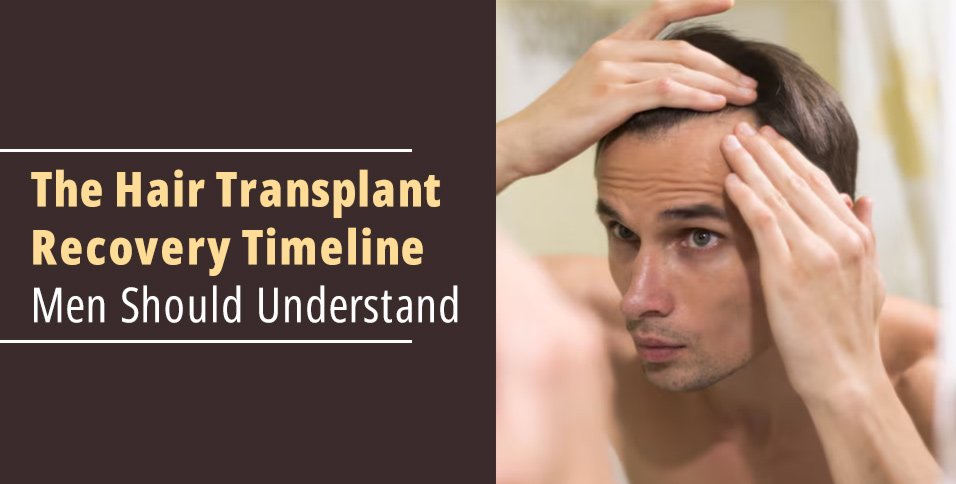
The day of a hair transplant receives plenty of attention, but recovery lasts much longer. Healing begins quickly, while visible growth takes patience. Knowing the stages in advance can reduce unnecessary worry. It also helps patients plan work, exercise and social events sensibly.
Every recovery is individual, so exact dates can vary. The size of the procedure, skin response and aftercare can all affect progress. Clinic instructions should always take priority over a general article. The following timeline explains common stages rather than promising fixed outcomes.
The first evening
The recipient and donor areas will look freshly treated after FUE. Mild redness, tightness or tenderness can be expected. The clinic may provide medication and clear care instructions. Patients should make sure they understand these directions before leaving.
Sleeping position is often important during the early stage. The head may need to remain raised, and contact with the grafts must be avoided. A travel pillow can help some people stay in position. However, the clinic’s specific advice should guide the routine.
The first few days
Small crusts begin to form around the implanted hairs. The scalp can look more noticeable before it starts to settle. Some patients experience swelling around the forehead. This is usually temporary, but unusual or worsening symptoms should be reported promptly.
Washing normally may not be appropriate at first. Clinics often give a gentle method and a schedule for scalp care. Picking, scratching or rubbing can disturb healing. Following one set of professional instructions is safer than combining conflicting online advice.
Returning to work
The right time to return depends partly on the job. Someone working from home may feel ready sooner than a person in a dusty or physical environment. Appearance is another consideration because redness and crusting can remain visible. Patients often schedule leave based on privacy as much as comfort.
Hats should only be worn when the clinic says they are safe. A tight hat can touch or press against the recipient area. Site visits, helmets and outdoor work may require additional planning. Discussing employment before surgery helps the clinic give practical advice.
Exercise and everyday activity
Light daily movement may resume before strenuous exercise. Heavy lifting and intense training can increase heat, sweating and pressure. Contact sport brings an obvious risk of impact. The clinical team should provide a staged return based on the patient’s procedure.
Swimming also requires caution during healing. Pools contain chemicals, while open water may expose the scalp to contaminants. Saunas and steam rooms create heat and moisture. Waiting for clinical clearance protects the treated skin during a vulnerable period.
The shedding stage
Transplanted hair shafts commonly shed in the weeks after surgery. This can feel like the result is being lost. In most cases, the follicle remains in place beneath the scalp. Shedding is part of the transition into a new growth cycle.
Existing hairs near the treated area can sometimes shed as well. Patients may hear this described as shock loss. The extent and recovery can vary, so concerns should be discussed with the clinic. Good preparation makes this temporary visual setback less alarming.
The quiet months
There may be a period when little appears to be happening. The scalp has healed, but strong new growth is not yet visible. This stage can test patience because the original excitement has passed. Comparing progress every day tends to make the wait feel longer.
Monthly photographs are more useful than constant mirror checks. Use similar lighting, distance and hair length where possible. Consistent images can reveal changes that are hard to notice in daily life. Clinics may also use them during planned follow-up appointments.
Early growth
New hairs often appear fine and uneven at first. Different follicles can start growing at different times. Texture may also feel different during the early months. These features do not represent the final density or finish.
As growth continues, more hairs emerge and existing strands become stronger. Coverage starts to look more connected across the treated area. The hair can gradually be cut and styled in normal ways. Patients should still follow any individual scalp or treatment advice.
Later development
The visual result usually continues to mature over many months. Hair calibre, length and coverage can improve after the first signs of growth. The crown may progress more slowly than the front for some patients. Final review should therefore happen at the time recommended by the clinic.
It is unhelpful to judge success from an early photograph. A transplant is a biological process rather than an instant cosmetic change. The technique matters, but the body still controls the growth cycle. Realistic timing is part of informed consent.
Sun exposure and scalp protection
Freshly treated skin can be sensitive to strong sunlight. Patients should ask when and how the scalp can be covered safely. Direct sun may need to be avoided during early healing. The clinic can give advice suited to the season and local conditions.
Sun protection remains relevant after the first visible signs have settled. A hat must fit without rubbing vulnerable grafts. Sunscreen should only be applied when the clinic says the skin is ready. Planning matters for holidays, outdoor work and summer procedures.
Haircuts and styling products
Patients often want to know when the donor area can be faded or trimmed. Clippers, blades and close pressure may need to wait until healing has progressed. The recipient area can follow a different schedule. The clinic should give separate advice for both zones.
Styling products may also need a temporary pause. Sprays, fibres and strong gels can irritate healing skin or make washing harder. Once approved, they can be introduced gently. Patients should stop and ask for advice if the scalp reacts.
Aftercare should remain accessible
Patients need a clear way to contact the clinic after treatment. Questions often arise when washing begins, crusts lift or shedding starts. Prompt reassurance can prevent unnecessary stress. It can also help identify a problem that requires medical review.
Men considering FUE can explore the patient-led approach at Total Hair Restoration. Its clinics in Ireland provide consultations, procedures and follow-up support. Ask for a written recovery plan before committing to surgery. The best preparation is knowing what is normal and who to contact when something feels different.