Parenting has never been a stationary activity, but the expectations placed on new parents today — stay mobile, keep working, manage appointments, maintain something resembling a normal life — have made the logistical demands of early parenthood genuinely difficult in ways that previous generations didn’t face in quite the same way. Healthcare products are catching up to that reality, slowly but noticeably.
The innovation happening in this space isn’t just about making existing products smaller or lighter. It’s about rethinking what parents actually need when they’re managing a newborn while also managing everything else life doesn’t pause for.
For parents researching options, a visit to the breast pump store — whether physical or online — looks completely different than it did a decade ago. What used to be a limited category dominated by bulky, clinic-grade equipment now includes wearable, wireless, and app-connected devices built specifically for parents who can’t stop moving every time they need to use one.
Wearable Breast Pumps
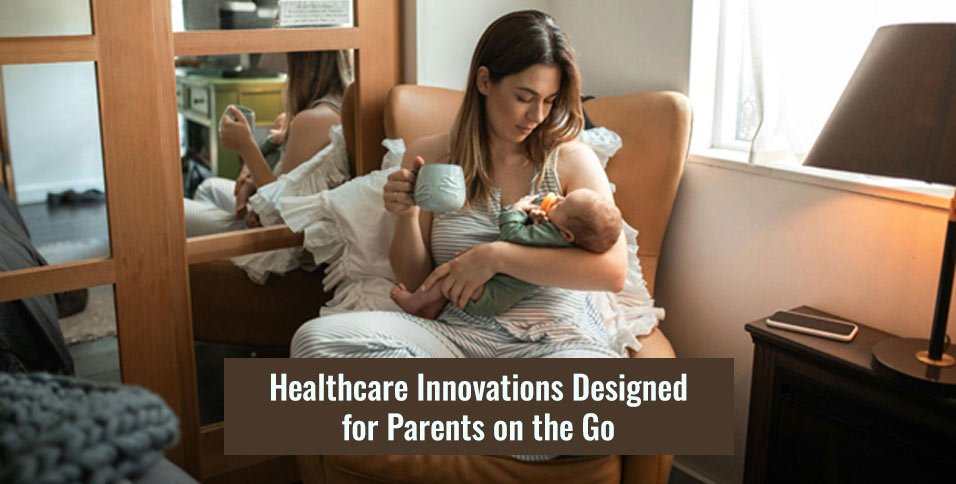
The shift from traditional electric pumps to wearable alternatives is one of the more genuinely useful developments in postpartum care. Traditional pumps need a power source, tubing, and a level of stillness that doesn’t fit a workday or a commute. Wearable versions fit inside a nursing bra, run quietly, and let parents pump during a meeting or while handling other responsibilities without anyone being the wiser.
For working parents that difference is not small. Pumping sessions that used to require a private room and a dedicated block of time can now happen without stopping everything else. That flexibility has real implications for how long parents continue breastfeeding after returning to work — something research has consistently tied to better health outcomes for both infant and parent.
Connected Health Monitoring
Infant health monitoring has moved well past the basic audio baby monitor. Wearable devices now track sleep patterns, oxygen levels, heart rate, and movement, feeding the data to apps that flag anything outside normal ranges. For parents navigating the anxiety of a newborn’s first months, that kind of visibility offers something previous generations simply didn’t have — actual data rather than guesswork at 3am.
The devices have gotten more sophisticated without getting harder to use, which matters more than it might sound. Setup is minimal. The interfaces are designed for someone running on three hours of sleep, not for someone with time to read a manual.
Telehealth for Pediatric and Postpartum Care
Getting to a doctor’s office with a newborn is a logistical undertaking most parents underestimate until they’re doing it. Telehealth has absorbed a meaningful portion of routine pediatric and postpartum care — weight checks, lactation consultations, postpartum mental health appointments, minor illness assessments — that previously required showing up somewhere in person.
The convenience is obvious. The access benefit is arguably bigger. Parents in areas with limited pediatric specialists, or those whose jobs make daytime appointments difficult, have options that didn’t exist at any real scale until recently. Lactation support in particular has expanded significantly — access to a board-certified lactation consultant no longer depends entirely on geography or hospital outpatient hours.
Nutrition and Feeding Technology
Smart feeding bottles that track volume, duration, and feeding patterns have found a real audience among parents managing feeding challenges or simply wanting more visibility into their infant’s intake. The data can be shared with pediatricians directly, which makes well-child visits more useful and can flag concerns earlier than they might otherwise surface.
Formula preparation has seen its own round of innovation — devices that prepare bottles at the right temperature automatically, which sounds minor until it’s two in the morning and a parent is running on fragmented sleep and trying not to make a mistake.
Postpartum Recovery Products
The postpartum recovery category has expanded as more serious attention has been paid to maternal health beyond the immediate delivery window. Wearable devices using electrical stimulation for recovery discomfort, therapeutically designed compression garments, app-guided pelvic floor rehabilitation programs — these have all entered a space that was genuinely underserved for a long time.
The shift reflects something broader in how postpartum care is being framed. Less as a brief recovery period before snapping back to normal, more as a distinct phase that warrants real support and tools designed specifically for it rather than adapted from something else.
What It Adds Up To
The common thread running through all of these is that they’re designed around actual conditions rather than ideal ones. Parents who are working, commuting, managing other children, and carrying significant physical and emotional load need products that fit into that reality without adding more complexity to it.
The technology has improved. The thinking behind it has improved more. And the result is a generation of parents with access to tools that make the earliest, hardest stretch of parenthood more manageable than it was even a few years back — which, for anyone who’s been through it, is not nothing.