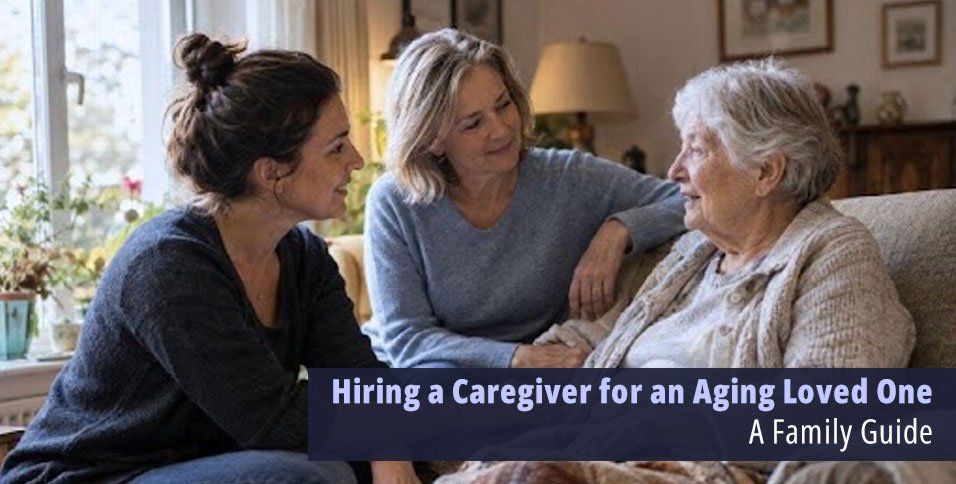
Hiring a caregiver for an aging loved one can be one of the most important decisions a family makes. The right caregiver can help an older adult remain safe, comfortable, and independent while giving family members greater confidence that someone is available to help.
The process can feel overwhelming at first, especially if your family has never hired professional care before. Breaking the decision into a few practical steps can make it easier to identify the type of support your loved one needs and find a caregiver who fits their personality, routine, and home environment.
Start by Understanding the Level of Help Needed
Before searching for a caregiver, take an honest look at your loved one’s daily routine. Consider which activities they can complete safely on their own and which tasks have become difficult, tiring, or risky.
Some older adults only need help with transportation, grocery shopping, meal preparation, or light housekeeping. Others may need assistance with bathing, dressing, mobility, toileting, medication reminders, or transferring in and out of a bed or chair.
It can help to write down the tasks that need to be completed each day and each week. This creates a clearer picture of how many hours of care may be necessary and what type of caregiver experience you should look for.
Talk With Your Loved One About the Decision
Older adults should be included in the caregiving conversation whenever possible. Having someone new enter the home can feel like a major change, particularly for a person who has been independent for many years.
Explain that hiring a caregiver does not automatically mean giving up independence. In many cases, a little assistance can actually help someone stay safely in their own home for a longer period of time.
Ask your loved one what qualities they would appreciate in a caregiver. Personality, communication style, shared interests, and daily habits can be just as important as professional qualifications when creating a comfortable long-term relationship.
Decide Between an Agency and a Private Caregiver
Families generally have two options when hiring in-home help: working with a home care agency or hiring an independent caregiver directly. Each approach comes with different responsibilities.
An agency typically handles recruiting, background checks, scheduling, payroll, insurance, and caregiver replacements. If the regular caregiver becomes sick or unavailable, the agency may also be able to provide another qualified caregiver.
Hiring privately may give families more direct control over who provides care and how the schedule is arranged. However, the family may become responsible for screening candidates, payroll requirements, taxes, insurance, scheduling, and finding backup help.
Look for Experience That Matches Your Loved One’s Needs
Not every caregiver has the same training or experience. A caregiver who is excellent at companionship and meal preparation may not have extensive experience assisting someone with advanced mobility problems or memory loss.
Ask candidates about their experience with situations similar to your loved one’s needs. This might include dementia care, fall prevention, mobility assistance, personal care, transportation, meal preparation, or companionship.
Families should also think about how care needs may change over time. Hiring someone with a broader range of experience can make it easier to maintain continuity if your loved one begins needing additional assistance.
Ask Detailed Questions During the Interview
A caregiver interview should go beyond asking about availability and previous jobs. The goal is to understand how the person communicates, solves problems, responds to emergencies, and interacts with older adults.
Ask how they would handle situations such as a fall, a missed medication, a sudden change in behavior, or a senior refusing assistance. Their answers can provide useful insight into their patience, judgment, and ability to remain calm.
You can also ask about their favorite parts of caregiving and the challenges they have experienced. A thoughtful conversation often reveals much more than a simple checklist of qualifications.
Check References and Background Information
Even if a caregiver makes an excellent first impression, families should complete appropriate screening before allowing someone to work independently in a loved one’s home. Background checks and professional references can provide another level of reassurance.
When speaking with previous employers or families, ask about reliability, communication, punctuality, professionalism, and how the caregiver interacted with the person receiving care. Ask if they would hire the caregiver again.
Agencies usually complete their own screening process, but families can still ask what background checks, reference checks, training requirements, and hiring standards are used.
Consider Short-Term Support for Family Caregivers
Many families begin providing care themselves before professional help enters the picture. Over time, balancing caregiving with work, children, household responsibilities, and personal needs can become difficult.
Professional respite care can give family caregivers scheduled time away while a trained caregiver stays with their loved one. This support may be arranged for a few hours, an occasional day, or on a recurring schedule depending on the family’s needs.
Taking regular breaks can also make family caregiving more sustainable. It allows relatives to spend some of their time simply being a son, daughter, spouse, or grandchild instead of managing every daily care responsibility.
Create a Clear Care Plan and Schedule
Once you choose a caregiver, create a written care plan that explains what needs to happen during each visit. Include daily routines, meal preferences, mobility needs, medications or reminders, household tasks, appointments, emergency contacts, and other important information.
Consistency is especially helpful for older adults who prefer familiar routines. Knowing when the caregiver will arrive and what activities will happen during the day can make the transition to professional care more comfortable.
The care plan should also be updated as needs change. A schedule that worked six months ago may no longer provide enough support if mobility, memory, or overall health has changed.
Know When More Extensive Care May Be Necessary
Some older adults eventually require assistance throughout the day and night. This may happen after a hospitalization, with advanced memory conditions, or when someone can no longer safely remain alone for extended periods.
Families exploring 24 hour home care should discuss how continuous coverage will be scheduled, how overnight needs are handled, and how caregivers communicate between shifts. Clear coordination becomes especially important when several caregivers share responsibility for the same person.
Increasing the amount of support does not necessarily mean moving a loved one out of their home. For some families, expanded in-home care allows an older adult to remain in familiar surroundings while receiving the supervision and assistance they need.
Pay Attention to the Relationship
Qualifications matter, but the relationship between the caregiver and your loved one matters too. A caregiver may spend many hours each week talking, preparing meals, attending appointments, helping with personal routines, and sharing everyday moments.
Watch how your loved one responds after the caregiver has visited. They should generally appear comfortable, respected, and at ease around the person providing care.
Communication should also remain open between the caregiver and family. Small updates about appetite, mood, mobility, sleep, or changes in routine can help families notice developing concerns earlier.
Review the Care Arrangement Regularly
Hiring a caregiver is not a decision that should be made once and then forgotten. Families should periodically review how the arrangement is working for everyone involved.
Ask your loved one how they feel about the caregiver and the support they are receiving. Speak with the caregiver about any challenges they have noticed and discuss adjustments that could make daily routines easier.
Care needs often change gradually. Regular check-ins help families adapt before small challenges become larger problems.
Finding the Right Caregiver Takes More Than a Resume
A great caregiver brings more than experience into an older adult’s home. Patience, reliability, compassion, communication, and respect can have a major impact on the quality of daily life.
Families do not need to rush the process. Taking time to understand care needs, interview candidates, check references, and create a clear care plan can lead to a stronger caregiver relationship.
The goal is not simply to find someone who can complete a list of tasks. It is to find dependable support that helps an aging loved one continue living with comfort, dignity, and as much independence as possible.