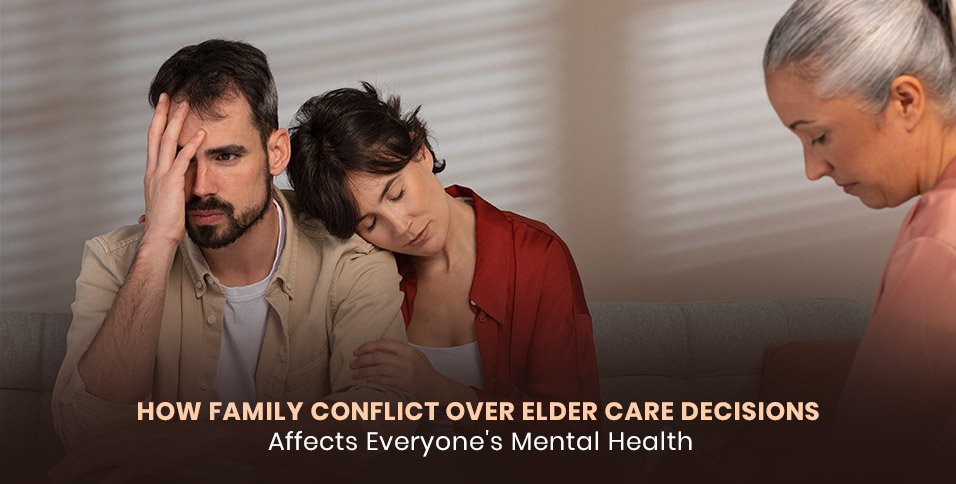
When a parent starts needing more help, the hardest part is rarely the caregiving itself. It’s the disagreement that follows. One sibling wants to hire outside help. Another insists Mom would never want a stranger in her house. A third feels like nobody asks their opinion anyway.
This kind of conflict wears down everyone’s mental health, not just the person doing the hands-on caregiving. Understanding why these disagreements get so heated is the first step toward defusing them. Families searching for home care agencies in Chicago are often looking for more than a caregiver’s schedule. They’re looking for something that lowers the temperature at home.
Why Elder Care Decisions Reopen Old Family Roles
Caregiving decisions take place inside a family system with decades of history, and that history tends to resurface at the worst moment.
- The “responsible one” takes over without being asked, then resents having to do it alone.
- The sibling who lives farther away or is always seen as less reliable gets left out and grows defensive.
- The parent who was once the family’s steady center now depends on the children they raised, unsettling everyone’s sense of roles.
These aren’t new personalities showing up. They’re older patterns being reactivated by stress. Research suggests that family involvement plays a significant role in how older adults cope emotionally with aging, which is part of why these disagreements can feel so high-stakes.
It’s Not Just the Primary Caregiver Who Struggles
Most conversations about caregiver stress focus on the person doing the daily work. But conflict spreads the emotional weight further than it looks.
- The hands-on sibling often feels burned out, especially when others second-guess decisions from a distance.
- The less-involved sibling carries guilt, even when distance or their own health limits their role.
- Spouses and partners absorb secondhand stress from nightly recaps of arguments they can’t resolve.
- The aging parent, if mentally able, often senses the tension and feels like a burden rather than someone being cared for.
Comfort Keepers notes that unmanaged burnout doesn’t stay contained. It spreads into physical health, relationships, work, and family conflict, speeding it up.
Common Flashpoints in Family Caregiving Conflict
A few issues surface again and again:
- Money and inheritance worries, even unspoken ones
- Disagreement over staying home, moving in with family, or assisted living
- Who has final say on medical decisions, especially without a formal healthcare proxy
- Old sibling rivalries about who was favored, or who always did less
Maplewood Senior Living puts it well: families rarely fight about the decision itself. They fight about who gets to make it.
Why Logic Alone Doesn’t Resolve These Fights
Spreadsheets and family meetings help with logistics, but the real conflict usually isn’t about logistics. Underneath a disagreement about hiring a caregiver agency versus a private caregiver in Chicago, there’s often a quieter fear: of losing a parent, of being blamed later, or of admitting one sibling has carried more than their share for years. Logic doesn’t reach those fears, which is why the same argument resurfaces, dressed up as something new.
The Mental Health Toll of Ongoing Conflict
Research has found that unresolved family conflict is associated with higher levels of anxiety and depression in both caregivers and older adults, regardless of the caregiving workload itself.
- Chronic stress and disrupted sleep for the primary caregiver
- Higher anxiety and depressive symptoms across multiple family members, not just one
- Strain on marriages as caregiving arguments spill into home life
- Real risk of long-term estrangement between siblings once wounds go unaddressed
None of this means the family is broken. It means the stress has outpaced the family’s current tools for handling it.
Reframing Conflict as a Signal, Not a Failure
In most families, the people arguing loudest are the ones who care the most. Disagreement usually means everyone is invested and no one feels fully heard, not that the family has failed each other. That reframe shifts the goal from proving who’s right to understanding what each person fears losing.
What Are the 4 Types of Caregivers?
Confusion about available help fuels much family conflict. Families often assume the choice is “family does everything” or “nursing home,” when there’s a wider range of options:
- Family caregivers: Relatives providing unpaid, informal care.
- Professional agency caregivers: Trained caregivers employed through a home care agency, offering consistency and oversight.
- Independent or private-duty caregivers: Hired directly by a family outside an agency structure, more flexible but less supervised.
- Respite caregivers: Short-term caregivers brought in to give a primary family caregiver a break.
Naming these categories turns a vague argument into a concrete, shared decision.
How Much Does a Caregiver Cost in Chicago?
As of mid-2026, nonmedical home caregivers in the Chicago area typically start around $22 to $35 per hour, depending on the level of care and whether support is needed during the day, overnight, or around the clock. A standard 40-hour week generally ranges from $900 to $1,400, while 24/7 coverage can run much higher. Rates shift with the market, so it’s worth confirming current pricing directly with an agency.
How Much Does a Home Care Agency Charge?
Agencies typically charge more per hour than an independently hired caregiver, and that gap is usually the point. Rates generally cover screening, training, liability insurance, and backup coverage if a caregiver is unavailable. Families considering a senior companion service in Chicago often find this oversight reduces family conflict, since concerns flow through one accountable contact rather than being relitigated among siblings.
What State Treats Seniors the Best?
National rankings shift year to year depending on which factors are weighted, but South Dakota, Wyoming, Florida, and New Hampshire routinely appear near the top. For most families, moving a parent across the country isn’t realistic. The more useful question is: which local resources, such as Oak Park Township senior services or a trusted Chicago home care agency, can improve the quality of care right where the family already is?
Bringing In Outside Support as a Bridge, Not a Last Resort
One of the most practical ways to lower the temperature is to bring in outside help before burnout takes hold, not after. Families looking for companions for seniors, home care agencies in Chicago, or private caregivers often find that a coordinated caregiving service takes daily pressure off the person carrying the most weight, which reduces other disagreements.
Companions for Seniors works with Chicago-area families to match seniors with trained caregivers for companionship, daily support, and respite care, giving the primary caregiver room to breathe and giving other family members a way to contribute that isn’t just showing up to argue about the plan.
When to Consider Family Counseling
Outside caregiving support handles the logistics. Family counseling handles the relationship damage logistics alone can’t fix. A licensed family therapist can help siblings:
- Separate the current disagreement from the old, unresolved family history
- Set clearer boundaries around decision-making roles
- Communicate about caregiving without it becoming a referendum on who loves the parent more
- Process the grief of watching a parent decline, which often sits underneath the conflict itself
Seeking family counseling isn’t a sign that things have reached the worst they can get. It’s a proactive step, much like hiring outside caregiving help, that gives a family better tools before the conflict causes lasting damage.
Conclusion
Family conflict over elder care rarely begins because a family has stopped caring for one another. More often, it starts because everyone cares deeply, and no one has a clear way to carry that care together. Bringing in the right home care agency in Chicago, and sitting down with a family therapist when tempers run high, aren’t admissions of failure. There are practical ways to protect a parent’s well-being and the relationships that will still need to hold the family together long after the caregiving years have passed. The real question isn’t who’s right about the care plan. It’s whether the family has given itself the support it needs to get through this chapter intact.