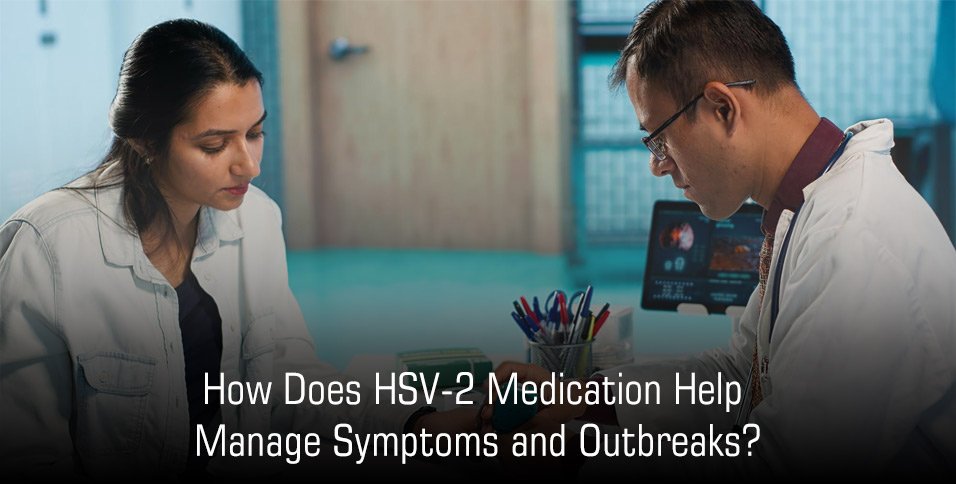
Genital herpes can cause painful sores, itching, burning, and discomfort during urination. Symptoms may return because herpes simplex virus type 2 remains within nearby nerve cells after the initial infection. Antiviral treatment does not remove the virus. It can shorten active episodes, reduce lesion formation, and limit future recurrences. Knowing how these medicines work helps patients identify early signs, follow directions, protect partners, and seek care for unusual symptoms.
Choosing a Treatment Plan
Treatment decisions for genital herpes depend on symptom patterns rather than one standard schedule. People seeking reliable information about HSV 2 medication can compare short courses for active lesions with daily dosing for repeated recurrences. A prescribing clinician considers episode frequency, kidney function, pregnancy status, immune health, and current medicines. The selected plan can shorten symptoms, reduce future flares, and support safer decisions with partners.
How Antivirals Work
Prescription antivirals interfere with the virus’s ability to copy its genetic material inside infected cells. This process gives the immune system more time to contain an active episode. Treatment may shorten healing, reduce pain, and limit new lesions. Benefits are usually greatest when tablets begin during early tingling, itching, or burning, before sores fully develop.
Managing a First Episode
An initial genital herpes episode can be more severe than later recurrences. Fever, body aches, swollen groin glands, and multiple painful lesions may appear together. A clinician may prescribe a longer course during this stage. An examination can also confirm the diagnosis and rule out other causes of genital irritation, especially if symptoms are severe or unfamiliar.
Treating Recurrent Outbreaks
Short-course therapy works best at the first sign of a returning flare. Warning symptoms may include tingling, burning, itching, or localized tenderness. Starting prescribed tablets promptly can reduce episode length and severity. Patients should complete the recommended schedule, even when discomfort fades after several doses. Stopping early may leave viral activity insufficiently controlled.
Daily Suppressive Therapy
Patients with frequent, painful, or emotionally disruptive recurrences may discuss daily suppressive therapy with a healthcare professional. Consistent antiviral levels can lower the number of symptomatic episodes each year. This approach may also reduce viral shedding and transmission risk, although protection remains incomplete. Periodic reviews help determine whether continued dosing still provides meaningful benefit.
Reducing Transmission Risk
Medication cannot guarantee that herpes will not spread. Transmission may occur without visible sores because viral shedding sometimes occurs from normal-appearing skin. Condoms and dental barriers add protection. Avoiding sexual contact during lesions or warning symptoms lowers exposure further. Clear conversations with partners support shared decisions about testing, prevention, and symptom changes.
Why Timing Matters
Antivirals control replication during an active episode or reduce viral activity during preventive treatment. They do not remove herpes from nerve cells. Delayed doses may provide less benefit during a short course. Keeping prescribed medicine available and recognizing personal warning signs make early treatment more practical. A clinician can explain what action to take after missed doses.
Common Side Effects
Most patients tolerate prescription antivirals without major problems, although side effects are possible. Headache, nausea, abdominal discomfort, or dizziness may occur during treatment. Adequate fluid intake can support comfort, unless a medical professional has recommended fluid restriction. Hives, facial swelling, breathing difficulty, confusion, or severe weakness require urgent medical assessment.
Kidney Health and Other Medicines
Kidney disease, dehydration, pregnancy, breastfeeding, or reduced immune function can affect antiviral selection and dosage. Other prescription or over-the-counter products may also require review. Patients should provide a complete medication list before starting treatment. Older adults may need closer monitoring because kidney function can decline without obvious warning signs.
Comfort During an Outbreak
Antiviral therapy addresses viral activity, while simple measures can ease local discomfort. Loose clothing reduces friction against sensitive skin. Lukewarm baths may soothe irritation, and gentle cleansing helps maintain comfort. Patients should avoid picking lesions because damaged tissue can permit bacterial infection. A clinician can recommend suitable pain relief when urination becomes difficult.
When Medical Advice Is Needed
Seek prompt medical care for severe pain, difficulty urinating, spreading lesions, eye symptoms, or possible bacterial infection. Pregnant patients should contact an obstetric professional after possible exposure or new symptoms. Anyone with impaired immunity may require customized treatment and closer follow-up. Symptoms that persist despite therapy deserve reassessment rather than repeated self-treatment.
Conclusion
HSV-2 medication helps manage genital herpes by slowing viral replication, shortening outbreaks, and reducing recurrence risk for some patients. Daily treatment may lower asymptomatic shedding, though it cannot eliminate transmission. Early dosing, consistent use, barrier protection, and clinical guidance provide a sound management plan. With appropriate care, patients can limit disruption, recognize warning signs, and make informed choices about sexual health.