Energy levels and immune defenses depend on hydration, nutrient availability, sleep, and the body’s ability to respond to stress. IV wellness treatments deliver fluids and selected nutrients through a vein, but they don’t replace food, rest, vaccines, or medical care. Their practical role becomes clearer when clients consider energy support and immune function separately in everyday health planning.
What IV Wellness Treatments Deliver
People seeking IV care should look for clinician review rather than a preset formula. A qualified clinician can consider symptoms, medications, allergies, hydration status, and relevant medical history before selecting or declining treatment. For readers comparing options online, Arōe Health offers a starting point for clinician-prescribed care in New York and online.
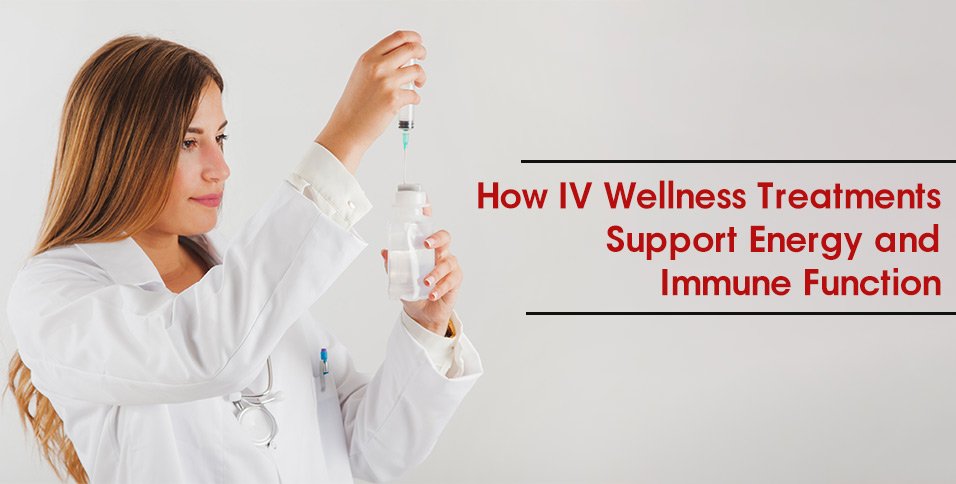
An IV places fluids and nutrients directly into the bloodstream through a small catheter. This route bypasses digestion, which matters when a person cannot drink enough or needs supervised fluid replacement. It doesn’t guarantee better energy or stronger immunity, because those outcomes depend on the underlying cause.
How IV Treatments Relate to Energy
Dehydration can contribute to fatigue, headache, dizziness, and reduced physical performance. A supervised infusion can provide fluids when a clinician determines that intravenous hydration fits the person’s condition. People with severe dehydration, persistent vomiting, or unusual fatigue need medical evaluation rather than a wellness appointment alone.
Some IV treatments include nutrients such as vitamin B12 or amino acids. These ingredients support normal metabolic processes, but supplementation works best when a deficiency or clinical need exists. A person with normal nutrient levels shouldn’t expect an infusion to create unlimited energy or replace regular meals.
NAD+ appears in some clinician-prescribed wellness treatments. The coenzyme exists in cells and participates in energy-related processes. Evidence for broad energy, focus, or healthy aging benefits remains limited, so a clinician should explain the intended use, known risks, and reasonable expectations before treatment.
How IV Treatments Relate to Immune Function
The immune system requires adequate fluids, calories, protein, vitamins, and minerals. An infusion can address fluid needs in selected situations, but it doesn’t train immune defenses or prevent every infection. Vaccination, hand hygiene, sleep, balanced nutrition, and treatment of chronic conditions remain central to immune health.
Antioxidants such as glutathione appear in some wellness protocols. The body produces glutathione naturally, and it helps protect cells from oxidative stress. That role doesn’t make glutathione an infection treatment, and an infusion should never delay testing or medical care for fever, breathing problems, or worsening symptoms.
A clinician should also review immune-related conditions and medications before administering nutrients. People receiving chemotherapy, taking immune-suppressing drugs, or managing kidney, heart, or liver disease need tailored medical guidance. The same formula doesn’t suit every patient.
What a Safe Evaluation Includes
A proper assessment begins with the person’s current symptoms, health history, medications, allergies, and treatment goals. The clinician should also review their hydration status and identify warning signs that require urgent care. Completing an intake doesn’t automatically make IV treatment appropriate.
The care team should explain the IV’s ingredients, intended purpose, administration process, and possible adverse effects. Common infusion-related problems include pain, bruising, irritation, or infection at the insertion site. Less common reactions can involve fluid overload, allergic responses, or complications from unsuitable ingredients.
Patients should disclose pregnancy, kidney disease, heart disease, medication use, and previous reactions to infusions. Accurate information helps the clinician decide whether to proceed, adjust the plan, or recommend another form of care. Licensed providers should also follow local rules for prescribing and administering IVs.
When Another Approach Makes More Sense
Fatigue that lasts for weeks deserves a medical workup. Anemia, thyroid disease, sleep disorders, depression, medication effects, infection, and uncontrolled blood sugar can all reduce energy. An IV treatment cannot diagnose these conditions or correct the underlying cause without proper medical care.
Likewise, repeated infections, unexplained weight loss, persistent fever, or slow wound healing require evaluation. These can signal an illness that needs testing and targeted treatment. A wellness infusion should remain an option, not a substitute for diagnosis.
For consistent energy support, sleep quality, regular meals, sufficient protein, movement, and hydration usually deserve attention first. A clinician can then determine whether an IV protocol adds value after reviewing those basics and the person’s medical needs.
Conclusion
IV wellness treatments support energy most directly when hydration or a documented nutrient need contributes to fatigue. Their role in immune function remains supportive rather than curative, since infusions do not replace vaccines, nutrition, sleep, testing, or medical treatment. Anyone considering an infusion should prepare a complete medication and health history, ask what each ingredient is intended to do, and confirm that a licensed clinician has reviewed the plan before administration.