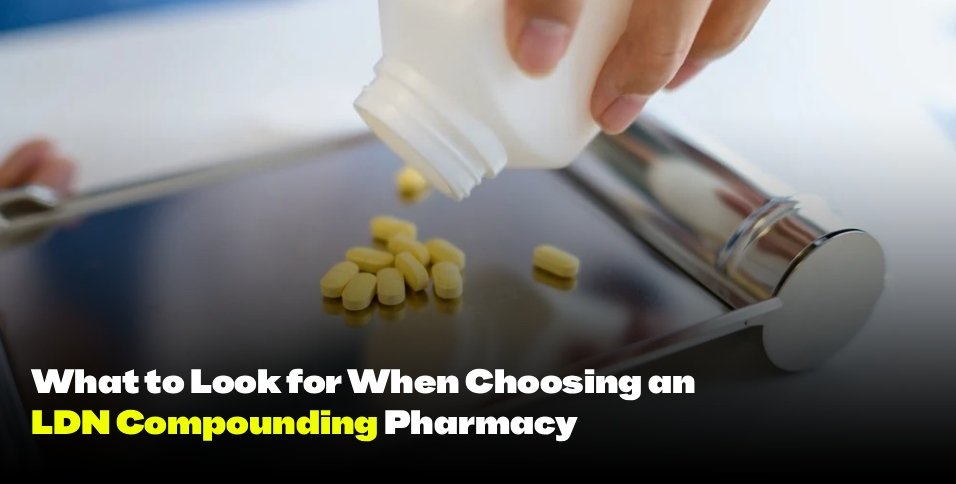
Low Dose Naltrexone has gained attention as a treatment option for various conditions, from autoimmune disorders to chronic pain. But here’s the catch: not all pharmacies can prepare LDN with the precision your therapy demands. The difference between a well-compounded dose and a substandard one can directly impact your treatment results. You need a pharmacy that understands the science behind LDN and follows rigorous standards at every step. This guide walks you through the essential factors to evaluate so you can confidently select a pharmacy that delivers quality, consistency, and care.
Why LDN Compounding Quality Matters for Your Treatment
LDN requires precise compounding because the doses prescribed are significantly lower than standard naltrexone formulations. Typical LDN prescriptions range from 0.5 mg to 4.5 mg, far below the 50 mg tablets available commercially. This low-dose range means any variation in preparation can alter your therapeutic outcome. A slight miscalculation or contamination can render your medication ineffective or cause unwanted side effects.
Because LDN is prescribed in small doses, the amount in each capsule matters. With LDN compounding, the pharmacist prepares capsules at the strength specified by the prescriber. If your prescriber changes your dose, check the strength on the new label and confirm how many capsules to take. That’s especially useful when the new capsules look the same as the ones you’ve been taking.
Besides, the stability of LDN formulations varies depending on the form: capsules, sublingual drops, or transdermal creams each require specific handling and storage protocols. A quality pharmacy tracks expiration dates carefully and provides proper storage instructions. Your treatment success hinges on consistent, accurate dosing, which only a skilled compounding pharmacy can guarantee.
Verify Pharmacy Accreditation and Licensing Standards
Start your search by confirming the pharmacy holds proper state licenses and meets federal regulations. Every compounding pharmacy must be licensed by the state board of pharmacy where it operates. You can verify a pharmacy’s license status online through your state’s board of pharmacy website. This step protects you from unlicensed operations that cut corners.
Look for accreditation from the Pharmacy Compounding Accreditation Board, an independent organisation that sets rigorous standards for compounding practices. PCAB accreditation signals that a pharmacy has undergone thorough inspection and meets high-quality benchmarks. Accredited facilities follow strict protocols for sterile compounding, staff training, and facility cleanliness.
Also, check if the pharmacy complies with USP standards, particularly USP 795 for non-sterile compounding. These standards cover everything from ingredient sourcing to equipment calibration. A pharmacy that openly shares its accreditation status and compliance certifications demonstrates transparency and accountability. Don’t hesitate to ask for proof of these credentials before you place your first order.
Evaluate the Pharmacist’s Experience with LDN Compounding
The pharmacist’s experience directly influences the quality of your LDN prescription. Ask how long the pharmacy has compounded LDN and how many prescriptions they fill monthly. A pharmacy that regularly prepares LDN develops refined techniques and troubleshoots common issues that less experienced operations might overlook.
Inquire about the pharmacist’s continuing education in compounding. Reputable pharmacists attend workshops, complete certification programs, and stay current with research on LDN applications. They should be able to discuss the differences between immediate-release and sustained-release formulations and explain which might suit your needs best.
A knowledgeable pharmacist also collaborates with prescribers to adjust formulations based on patient feedback. For example, if you experience side effects, an experienced compounding pharmacist can suggest alternative fillers or adjust the release profile. This level of expertise transforms your pharmacy from a simple supplier into a partner in your care. Ask to speak directly with the compounding pharmacist before you commit to a pharmacy.
Assess Quality Control and Testing Procedures
Quality control separates excellent compounding pharmacies from mediocre ones. Ask whether the pharmacy conducts potency testing on its LDN preparations. Potency testing verifies that each batch contains the exact amount of active ingredient listed on the label. Some pharmacies send samples to independent third-party laboratories for analysis, which adds an extra layer of verification.
Inquire about the pharmacy’s beyond-use dating practices. Beyond-use dates indicate how long a compounded preparation remains stable and effective. These dates should be based on scientific data, not guesswork. A pharmacy that follows USP guidelines calculates beyond-use dates conservatively to protect patient safety.
Examine the pharmacy’s facility cleanliness standards. Compounding areas should maintain controlled environments with proper ventilation, temperature control, and regular sanitation. Ask if the pharmacy documents its cleaning procedures and calibrates equipment regularly. Quality control extends to every aspect of preparation, from raw material verification to final product packaging. Request documentation of their quality assurance program to confirm they take these steps seriously.
Consider Dosage Options and Customisation Capabilities
LDN therapy often requires precise dose adjustments as you and your prescriber fine-tune your treatment. A good compounding pharmacy provides flexible dosage options, from 0.5 mg starter doses to higher maintenance doses. They should be able to compound capsules in increments that match your titration schedule without forcing you to split pills or estimate doses.
Ask about available formulation types. Oral capsules work well for most patients, but some people benefit from sublingual drops, transdermal creams, or slow-release formulations. A pharmacy with diverse compounding capabilities can adapt your prescription to your specific absorption issues or preferences. For instance, patients with gastrointestinal conditions might absorb sublingual forms better than oral capsules.
Customisation also means accommodating allergies and sensitivities. If you react to common fillers like lactose or microcrystalline cellulose, the pharmacy should provide alternatives such as rice flour or hypoallergenic bases. Discuss your dietary restrictions and medical sensitivities upfront. A responsive pharmacy will document your needs and apply them to every refill automatically.
Review Shipping, Pricing, and Customer Support Services
Practical considerations matter just as much as technical expertise. Compare pricing among several accredited pharmacies, but remember that the cheapest option isn’t always the best value. Prices for LDN typically reflect the quality of ingredients, testing procedures, and professional oversight. Expect to pay between $30 and $60 per month for standard LDN capsules, though prices vary based on dose and formulation.
Evaluate the pharmacy’s shipping practices. LDN preparations should arrive in appropriate packaging that protects them from temperature extremes and moisture. Ask about shipping times and tracking options. Some pharmacies provide expedited shipping or temperature-controlled packaging for sensitive formulations. Confirm whether the pharmacy ships to your state, as some compounding pharmacies face restrictions on interstate shipping.
Customer support quality reveals much about a pharmacy’s commitment to patient care. Can you easily reach a pharmacist by phone to discuss questions? Do they respond promptly to emails? Test their responsiveness before you place an order. A pharmacy that provides clear communication, proactive refill reminders, and accessible consultation services will make your long-term treatment smoother and more successful.
Conclusion
Your choice of LDN compounding pharmacy directly affects your treatment outcomes. Prioritise accreditation, pharmacist expertise, and rigorous quality control over convenience or cost alone. Take time to research credentials, ask detailed questions, and verify that the pharmacy can customise your prescription to your unique needs. A well-chosen pharmacy becomes a trusted partner in your health journey, delivering consistent, safe, and effective LDN every time.
This article is for informational purposes only and does not constitute medical advice, diagnosis, or treatment. Always consult your healthcare provider or licensed pharmacist before changing, stopping, or replacing any prescribed medication. Medication alternatives and compounded formulations may not be suitable for everyone and should only be used under professional medical supervision. Availability, safety, and effectiveness may vary depending on individual health conditions and treatment needs. Never discontinue a prescribed medication without medical guidance, as doing so may lead to serious health risks.