Protein has long been recognized as one of the most important nutrients for overall health. It plays a key role in building and repairing tissues, supporting muscle maintenance, and helping the body function efficiently. For people looking to manage their weight, stay active, or improve their nutrition, protein can be especially valuable.
In recent years, low-calorie protein powders have become increasingly popular among fitness enthusiasts, busy professionals, and health-conscious individuals. These supplements offer a convenient way to increase protein intake without significantly increasing daily calorie consumption. Whether you’re trying to lose weight, maintain lean muscle, or simply improve your diet, Low Calorie Protein Powder may be worth considering.
What Is Low-Calorie Protein Powder?
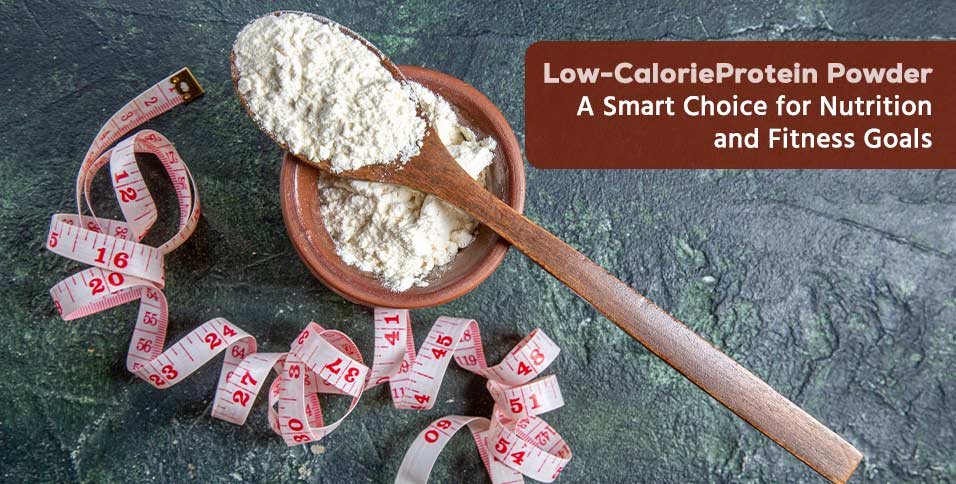
Low-calorie protein powder is a dietary supplement designed to provide a concentrated source of protein while keeping calories, sugars, and fats relatively low. Unlike meal replacement shakes or mass-gainer supplements, these products focus primarily on delivering protein with minimal additional ingredients.
They are commonly made from sources such as:
Whey Protein
Derived from milk, whey protein is known for its complete amino acid profile and rapid absorption.
Casein Protein
Also sourced from milk, casein digests more slowly and may help provide longer-lasting feelings of fullness.
Plant-Based Protein
Popular options include pea, soy, rice, hemp, and blended plant proteins that cater to vegan and dairy-free diets.
Egg Protein
A high-quality protein source that offers excellent nutritional value and digestibility.
Why Low-Calorie Protein Powders Are Popular
They Support Weight Management
One of the main reasons people choose low-calorie protein powders is to help manage their calorie intake. Since protein is known to promote feelings of fullness, adding more protein to your diet may help reduce unnecessary snacking and overeating.
By providing substantial nutrition without excessive calories, these powders can fit into a calorie-controlled eating plan more easily than many traditional snacks.
They Help Preserve Muscle During Weight Loss
When reducing calories, the body can sometimes lose muscle along with body fat. Consuming adequate protein helps support muscle maintenance, especially when combined with regular exercise and strength training.
This makes low-calorie protein powder a useful option for individuals pursuing fat loss while aiming to maintain lean body mass.
They Offer Convenience
Modern lifestyles can make it challenging to prepare balanced, protein-rich meals throughout the day. Low-calorie protein powders offer a quick solution that can be mixed with water, milk, or added to recipes in just minutes.
This convenience makes them especially appealing for busy professionals, students, and active individuals.
Features to Look for in a Low-Calorie Protein Powder
Not all protein powders are created equal. When comparing products, it helps to focus on a few important factors.
High Protein Content
A quality protein powder should provide a substantial amount of protein per serving while keeping calories low.
Minimal Added Sugar
Many products contain sweeteners or flavoring ingredients. Choosing options with little or no added sugar can help support your nutrition goals.
Quality Ingredients
Look for products with simple ingredient lists and transparent labeling. High-quality protein sources generally provide better nutritional value.
Third-Party Testing
Independent testing can help verify product quality, ingredient accuracy, and safety standards.
Dietary Compatibility
Consider your personal dietary needs. Lactose intolerance, vegan preferences, allergies, or digestive sensitivities may influence which protein source works best for you.
Who Can Benefit from Low-Calorie Protein Powder?
Individuals Trying to Lose Weight
People following calorie-controlled diets often use protein powder to increase satiety while managing energy intake.
Active Adults
Exercise increases the body’s protein requirements. Protein supplements can help support recovery and muscle maintenance after workouts.
Older Adults
Maintaining muscle mass becomes increasingly important with age. Protein-rich nutrition may help support healthy aging and physical function.
Busy Professionals
Those with hectic schedules often find protein powder to be a practical way to maintain balanced nutrition throughout the day.
Vegetarians and Vegans
Plant-based protein powders can help individuals meet their protein needs when dietary sources are limited.
Creative Ways to Use Low-Calorie Protein Powder
Many people think protein powder is only for shakes, but there are numerous ways to include it in your daily routine.
Protein Smoothies
Blend protein powder with fruit, vegetables, and your preferred liquid for a nutrient-packed drink.
Oatmeal Boost
Mix a serving into morning oats to create a more filling breakfast.
Yogurt Mix-In
Add protein powder to Greek yogurt for an easy high-protein snack.
Protein Pancakes
Incorporate protein powder into pancake batter for a nutritious breakfast alternative.
Healthy Baking
Use protein powder in muffins, energy bites, or homemade snack bars.
Common Misconceptions About Low-Calorie Protein Powder
It’s Only for Athletes
While athletes often use protein supplements, they can also benefit everyday individuals seeking convenient nutrition.
More Protein Is Always Better
Protein is important, but balance matters. Protein powder should complement a healthy diet rather than replace whole foods entirely.
All Protein Powders Are the Same
Different protein sources, ingredient profiles, and nutritional values can vary significantly between products.
Conclusion
Low-calorie protein powder can be a practical and versatile addition to a balanced lifestyle. By providing high-quality protein with relatively few calories, it offers support for weight management, muscle maintenance, workout recovery, and everyday nutrition.
The best choice ultimately depends on your personal goals, dietary preferences, and nutritional needs. When used alongside a healthy diet and active lifestyle, low-calorie protein powder can serve as a convenient tool for helping you stay on track and achieve your wellness objectives.