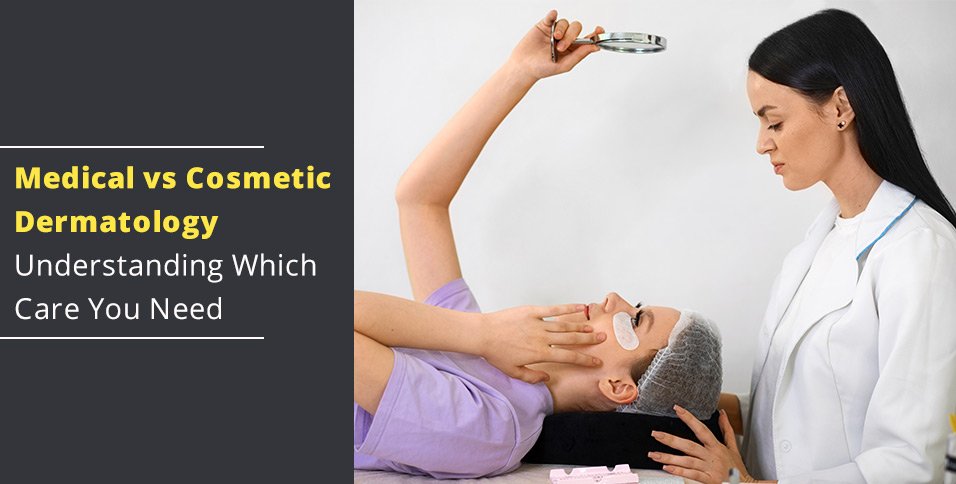
A skin concern does not always fit neatly into a medical or cosmetic category. Acne, for example, can be painful and persistent, while the marks it leaves behind may affect how someone feels about their appearance long after the breakouts settle.
That overlap is one reason it helps to understand what each branch of dermatology actually does. Medical care focuses on diagnosing and managing disease. Cosmetic care focuses on elective changes to the skin’s appearance. Sometimes a patient needs both, but not necessarily at the same time.
At practices such as Reve Dermatology and Aesthetics, medical dermatology and aesthetic services are offered within the same setting. For patients, the useful question is not which label sounds better, but which concern needs attention first.
What medical dermatology covers
Medical dermatology deals with conditions affecting the skin, hair and nails. Common reasons for an appointment include eczema, psoriasis, rosacea, acne, hair loss, infections and unusual or changing skin lesions. A clinician may examine the skin, take a history, recommend tests or a biopsy where indicated, and discuss treatment or monitoring.
What cosmetic dermatology covers
Cosmetic dermatology includes procedures intended primarily to change appearance: certain laser treatments, chemical peels, injectable fillers, neuromodulators and approaches to pigmentation or texture. These treatments are generally elective and often paid for privately. They still require proper assessment, consent and attention to side effects.
Where the categories overlap
Consider acne scarring. Controlling active inflammation is usually the first priority. Once acne is better managed, treatments for residual scars may become appropriate. Pigmentation is another example: some dark patches are cosmetic concerns, while others need diagnosis before anyone tries to remove them. Treating an unexplained mark as a beauty problem can delay appropriate care.
How to choose your starting point
If a mole changes, a rash persists, a spot bleeds without explanation or a skin condition causes discomfort, begin with a medical assessment. If your skin is otherwise healthy and you want to discuss lines, texture or volume, a cosmetic consultation may be appropriate. When you’re unsure, start with diagnosis rather than a procedure.
Questions worth asking
Ask what is causing the concern, which treatments have evidence behind them, how long improvement may take and what the alternatives are. For elective procedures, also ask about recovery, expected maintenance and complications. A responsible clinician should be comfortable explaining why a treatment may not suit you.
A joined-up approach makes sense
Medical and cosmetic dermatology are different services, not competing philosophies. The best sequence is the one that protects skin health first and considers appearance-related goals with realistic expectations. Good care begins with understanding the problem, not choosing a treatment from a menu
How to Choose Between Medical and Cosmetic Dermatology
Choosing the right dermatology service depends on your specific skin concerns and treatment goals. Before scheduling an appointment, consider the following factors.
1. Identify Your Skin Concern
Start by understanding what you want to address.
If you have persistent acne, skin irritation, unusual moles, eczema, or unexplained changes in your skin, medical dermatology is generally the appropriate starting point. If your primary concern involves wrinkles, cosmetic pigmentation treatment, or skin texture, cosmetic dermatology may be more suitable.
2. Understand Your Treatment Goals
Think about whether you need treatment for a medical condition or want to explore an aesthetic procedure. Medical treatments focus on managing health conditions, while cosmetic procedures are intended to address appearance-related concerns.