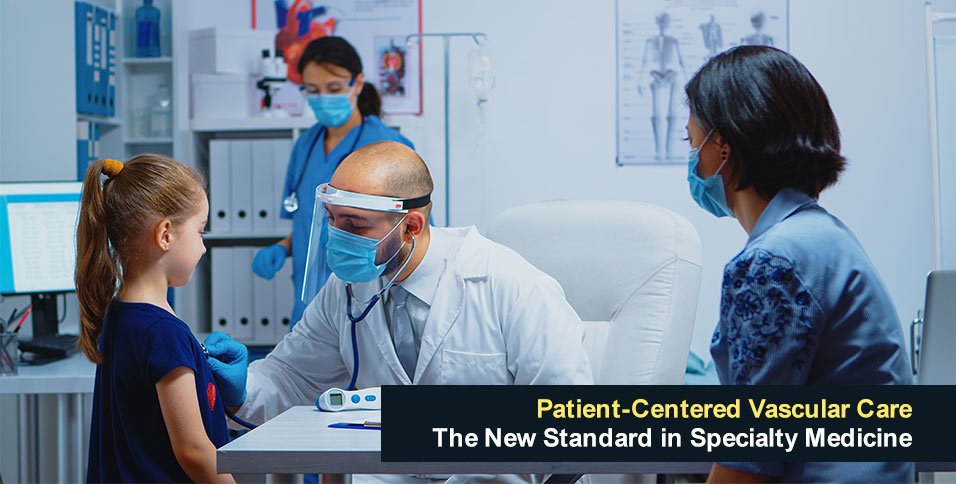
For much of medical history, specialty care has been organized primarily around procedures and pathology, with the patient experience often treated as secondary to clinical efficiency. Vascular medicine, in particular, has traditionally followed this model, focusing heavily on diagnostic accuracy and technical treatment success while giving comparatively little attention to how patients navigate the emotional, logistical, and communication aspects of their care journey. That approach is changing. Across specialty medicine, and vascular care specifically, patient-centered models are increasingly being recognized not as a soft addition to clinical practice, but as a genuine driver of better outcomes, higher satisfaction, and more sustainable long-term health management.
Defining What Patient-Centered Care Actually Means
Patient-centered care is often used as a buzzword, but in practical clinical terms, it refers to a model where treatment decisions are shaped collaboratively, incorporating not just clinical data but also a patient’s preferences, lifestyle, concerns, and values. In vascular medicine, this means moving beyond a purely procedural mindset, where a diagnosis automatically leads to a predetermined treatment pathway, and instead engaging patients in meaningful conversations about their options, the trade-offs involved, and how a given treatment might fit into their daily life. For patients experiencing symptoms such as persistent leg swelling or visible vein concerns, seeking advanced treatment for leg swelling and vein disease in Grand Prairie can provide access to personalized evaluations that align treatment decisions with their specific health needs.
Why Vascular Conditions Particularly Benefit from This Approach
Vascular conditions, including varicose veins, chronic venous insufficiency, and peripheral artery disease, often present with a wide spectrum of severity and symptom presentation, meaning that the “right” treatment can vary considerably from one patient to the next. Two patients with clinically similar varicose vein presentations might have very different priorities, one primarily concerned with discomfort and swelling that affects their ability to work on their feet, another more focused on visible cosmetic changes that impact their confidence. A patient-centered approach acknowledges these differences rather than applying a uniform treatment protocol regardless of individual circumstances. This flexibility is particularly valuable in vascular care, where treatment options increasingly range from conservative management to a variety of minimally invasive procedures, each with different recovery timelines, costs, and levels of invasiveness that may suit different patients in different ways.
Improving Communication Between Specialists and Patients
One of the most tangible shifts within patient-centered vascular care involves how specialists communicate with patients throughout the diagnostic and treatment process. Historically, complex vascular terminology and imaging results were often communicated in ways that left patients confused or disengaged from their own care decisions. Modern patient-centered practices place greater emphasis on clear, accessible explanations, ensuring patients genuinely understand their diagnosis, the reasoning behind recommended treatments, and what to realistically expect during recovery. This improved communication does more than simply make patients feel more comfortable; it has measurable effects on treatment adherence and outcomes, since patients who understand and feel involved in their care decisions are generally more likely to follow through with recommended lifestyle changes, follow-up appointments, and post-procedure care instructions.
The Role of Shared Decision-Making in Treatment Planning
Shared decision-making has become a cornerstone of patient-centered vascular care, particularly as the number of available treatment options for venous and arterial conditions continues to expand. Rather than a specialist simply prescribing a single recommended course of action, shared decision-making involves presenting patients with a clear picture of the available options, including the relative benefits, risks, and recovery expectations associated with each. This collaborative process respects that patients bring valuable context to the conversation, including their tolerance for downtime, financial considerations, and personal comfort with different levels of procedural invasiveness. Vascular specialists who embrace this model often find that patients arrive at treatment decisions with greater confidence and satisfaction, since the chosen path reflects both clinical appropriateness and personal circumstance rather than a one-size-fits-all recommendation.
Addressing the Emotional Dimension of Vascular Symptoms
Vascular conditions, while often primarily physical in their symptoms, frequently carry an emotional weight that traditional clinical models tend to overlook. Visible varicose veins or spider veins can affect self-confidence and body image, while chronic leg swelling or heaviness can limit participation in social or physical activities, contributing to frustration or even mild social withdrawal over time. Patient-centered vascular care acknowledges these emotional and psychosocial dimensions as legitimate aspects of the condition, rather than treating them as secondary to the physical symptoms alone. Specialists operating within this model often take time to understand how a patient’s symptoms are affecting their broader quality of life, which can meaningfully influence both the urgency and type of treatment recommended, even when the underlying clinical severity might otherwise be considered mild to moderate.
Streamlining Access and Reducing Barriers to Care
Patient-centered care also extends beyond the exam room into how vascular practices structure access to treatment. Long wait times, complicated referral processes, and unclear cost expectations have traditionally created significant barriers that discourage patients from seeking timely evaluation for vascular symptoms. Practices adopting a more patient-centered philosophy have increasingly focused on streamlining these logistical elements, offering more transparent pricing information, faster scheduling, and clearer guidance on what to expect from initial consultation through treatment and follow-up care. These operational improvements might seem separate from clinical quality, but they directly influence outcomes, since patients who face fewer barriers to accessing care are more likely to seek treatment earlier, before symptoms progress to more advanced and harder-to-treat stages.
The Growing Availability of Minimally Invasive, Patient-Friendly Options
The expansion of minimally invasive vascular treatment options has played a significant role in enabling more patient-centered care models. Procedures that once required extended recovery time, hospital stays, or general anesthesia have increasingly been replaced by outpatient techniques with shorter recovery periods, allowing patients to return to daily activities much sooner. This shift has given specialists more flexibility to tailor treatment recommendations around a patient’s lifestyle and personal priorities, rather than requiring patients to adapt their lives around lengthy, disruptive recovery periods.
Measuring Success Beyond Clinical Outcomes Alone
Patient-centered vascular care has also influenced how success itself is measured within the field. Traditionally, treatment success was evaluated almost exclusively through clinical metrics, such as vein closure rates or symptom resolution confirmed through imaging. While these measures remain essential, patient-centered practices increasingly incorporate patient-reported outcome measures, capturing how patients themselves perceive improvements in comfort, mobility, confidence, and overall quality of life following treatment. This broader definition of success provides a more complete picture of treatment effectiveness, recognizing that clinical resolution of a vascular abnormality does not automatically guarantee that a patient feels their primary concerns have been adequately addressed. Incorporating this patient perspective has gradually reshaped how vascular specialists and researchers evaluate the true effectiveness of different treatment approaches.
The Future of Specialty Vascular Medicine
As patient-centered principles continue to take root within vascular medicine, the field appears to be moving toward a model where clinical excellence and patient experience are viewed as complementary rather than competing priorities. This evolution reflects broader trends across specialty medicine, where patients increasingly expect, and often actively seek out, providers who demonstrate genuine engagement with their individual circumstances rather than applying standardized protocols without meaningful discussion. For vascular care specifically, this shift promises not only improved patient satisfaction but also better long-term adherence to treatment recommendations and lifestyle modifications that support sustained vascular health, suggesting that patient-centered care is likely to remain a defining feature of the specialty moving forward rather than a temporary trend.
Conclusion
Patient-centered vascular care represents a meaningful shift in how specialty medicine approaches treatment, moving beyond a narrow focus on procedural outcomes toward a more holistic model that values communication, shared decision-making, and genuine understanding of each patient’s unique circumstances. This approach has proven particularly well suited to vascular medicine, where the range of available treatments and the variability in patient priorities make individualized care especially valuable. As this model continues to expand across the specialty, patients can expect vascular care that not only addresses the clinical realities of their condition but also respects and responds to their broader needs, ultimately setting a new and more sustainable standard for specialty medicine as a whole.