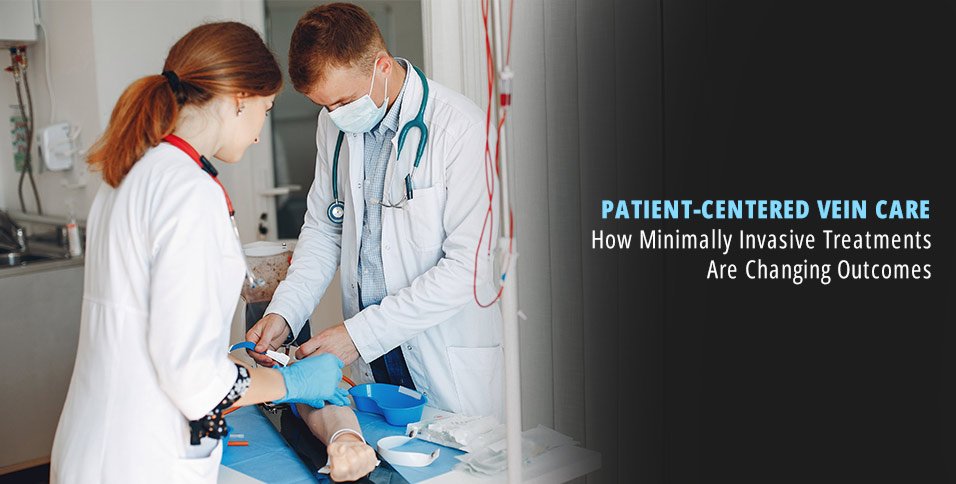
Healthcare has changed significantly in recent decades. Patients today are not only looking for effective treatment; they also want to understand their options, participate in decisions, and return to their normal routines with as little disruption as possible. This shift toward patient-centered care is particularly noticeable in the treatment of vein disease.
Conditions such as varicose veins and chronic venous insufficiency can affect much more than appearance. They may contribute to aching, swelling, heaviness, itching, cramping, skin changes, and difficulties with everyday activities. At the same time, advances in vascular medicine have created treatment options that can address problematic veins without the larger incisions and recovery associated with some traditional surgical approaches.
For people researching trusted treatment for vein disease in Edmonds, Complete Vein Care provides an example of a practice built around consultation, ultrasound assessment, individualized treatment planning, and minimally invasive procedures. Its Edmonds center is located on Lake Ballinger Way and serves patients experiencing a range of vein-related symptoms.
Understanding What Happens When Veins Do Not Work Properly
Veins have an important job: they carry blood back toward the heart. In the legs, this can be challenging because blood has to travel upward against gravity.
Healthy veins contain small valves that help keep blood moving in the right direction. When these valves become weakened or stop closing properly, blood can move backward and collect in the lower extremities. This is known as venous reflux and can contribute to chronic venous insufficiency.
Not everyone with visible varicose veins experiences significant symptoms. For some people, enlarged veins may be mainly a cosmetic concern. For others, the condition can lead to persistent discomfort or changes in the skin.
Symptoms can include aching, cramping, itching, swelling, heaviness, fatigue, or a burning sensation in the legs. Recognizing these symptoms is important because effective care begins with understanding what is causing them.
Why Patient-Centered Care Matters
A patient-centered approach starts with a simple principle: no two patients are exactly alike.
Two people can have similar-looking varicose veins but very different symptoms, medical histories, activity levels, and expectations. One person may be primarily concerned about appearance, while another may be struggling to stand comfortably through a workday.
This makes individualized assessment important. Instead of automatically recommending the same treatment for everyone, clinicians can consider the patient’s symptoms, physical findings, medical history, and diagnostic results before developing a treatment strategy.
Patient-centered care also involves communication. Patients should have an opportunity to understand what is happening, why a particular treatment may be recommended, what alternatives exist, and what recovery may involve.
That conversation can make medical care feel less like something being done to a patient and more like a decision being made with them.
The Role of Ultrasound in Modern Vein Care
Technology has become an important part of this individualized approach. Duplex ultrasound, for example, can provide detailed information about blood flow through the veins and help clinicians identify abnormal circulation.
A physical examination may reveal visible varicose veins or swelling, but ultrasound can provide information that cannot be seen from the outside. It can help identify problematic veins, evaluate blood flow, and guide treatment planning.
Complete Vein Care describes a process that begins with a consultation, followed by diagnostic ultrasound and development of a personalized treatment plan based on the patient’s needs and goals. The practice says its ultrasound and diagnostic services are performed onsite, with results discussed by the provider.
This combination of clinical evaluation and imaging helps shift the focus from treating what is most visible to understanding what is actually happening beneath the skin.
How Minimally Invasive Treatments Have Changed Vein Care
Traditional vein surgery once played a larger role in treating problematic veins. While surgical approaches can still have a place in medicine, advances in catheter-based and injection treatments have created less invasive alternatives for appropriately selected patients.
Many modern procedures work by closing or treating a diseased vein rather than physically removing it through a larger surgical incision. Once the targeted vein is closed, blood can be redirected through healthier veins.
Radiofrequency ablation is one example. Complete Vein Care describes its ClosureFast radiofrequency treatment as using a small device placed into a diseased vein under ultrasound guidance. Heat is delivered to the vein wall, causing it to shrink and seal closed.
Other minimally invasive options include sclerotherapy and microfoam treatments. The appropriate technique depends on the size and location of the affected veins, the underlying condition, the patient’s symptoms, and the findings of the clinical evaluation.
The important point is that minimally invasive treatment is not a single procedure. It is a group of approaches that can be selected according to individual circumstances.
Less Invasive Does Not Mean Less Medical
The phrase “minimally invasive” can sometimes create the impression that a procedure is almost insignificant. That is not the right way to understand it.
These are medical treatments that require appropriate diagnosis, clinical expertise, informed consent, and consideration of potential risks. Minimally invasive procedures may involve smaller openings, targeted treatment, or shorter recovery periods compared with certain traditional operations, but they are still medical interventions.
This distinction matters for patients researching treatment online. The right question is not simply, “Which procedure is the fastest?” It is, “Which treatment is appropriate for my specific condition?”
That answer requires an individualized evaluation.
Recovery Is Part of the Patient Experience
One of the reasons minimally invasive vein treatments have become attractive to many patients is the potential for less disruption to everyday life.
Complete Vein Care states that many of its procedures take approximately 15 to 45 minutes and that patients commonly return to normal activities the same day. The practice also notes that some patients may experience temporary bruising or discomfort after treatment.
Recovery, however, is not identical for every person or every procedure. A patient’s health, treatment type, number of treated veins, and other circumstances can influence what recovery looks like.
Good patient-centered care therefore includes realistic expectations. Patients should receive clear instructions about activity, follow-up, possible side effects, and when to contact their healthcare provider.
Looking Beyond Cosmetic Results
The visibility of varicose veins often motivates people to seek treatment, but the potential impact of venous disease can extend beyond appearance.
Persistent heaviness or aching can make walking and exercise less comfortable. Swelling can become frustrating during long days at work or after extended periods of standing. Skin changes can also develop in some people with chronic venous problems.
This is why successful vein care should not be measured only by whether a visible vein has disappeared. For patients experiencing symptoms, quality of life and everyday function are important parts of the conversation.
A patient who can walk more comfortably, stand through a workday with less discomfort, or return to activities they had been avoiding may view the outcome very differently from someone who is concerned only with appearance.
Choosing a Treatment Based on the Individual
Modern vein care provides several possible treatment approaches, but having more options does not mean every option is appropriate for every patient.
Complete Vein Care lists radiofrequency ablation, Varithena, microfoam sclerotherapy, compounded sclerotherapy, and pneumatic compression among its treatment options. The practice emphasizes creating a treatment plan based on individual needs and outcome goals.
That philosophy is consistent with the broader direction of patient-centered medicine. Treatment decisions should consider the actual condition being treated rather than simply selecting the newest or most heavily advertised technology.
A consultation can also help determine whether intervention is necessary at all. Depending on the condition and severity, a clinician may recommend monitoring, lifestyle measures, compression, further testing, or another form of management.
What Patients Should Ask Before Treatment
An informed patient does not need to become a medical expert before making a healthcare decision. However, asking clear questions can make the consultation more useful.
Patients can ask what is causing their symptoms, whether diagnostic imaging is needed, what treatment options are available, why a particular approach is being recommended, what alternatives exist, and what recovery might involve.
It is also reasonable to ask about potential risks and expected outcomes. A trustworthy clinical conversation should include both the potential benefits and the limitations of treatment.
The Importance of Early Attention to Persistent Symptoms
People sometimes postpone vein care because they assume visible veins or leg discomfort are simply an unavoidable part of aging. While some vein changes are common, persistent symptoms should not automatically be dismissed.
Aching, swelling, heaviness, skin discoloration, itching, or recurring discomfort can have several possible causes. A professional evaluation can help determine whether venous disease is involved.
Early attention can also provide an opportunity to discuss conservative management before symptoms become more disruptive. When treatment is appropriate, understanding the condition sooner may give patients more time to consider their options.
This does not mean every varicose vein requires treatment. It means that persistent or concerning symptoms deserve an informed assessment rather than guesswork.
A More Personalized Future for Vein Treatment
The evolution of vein care reflects a larger transformation in healthcare. Technology has made diagnosis and treatment more precise, while patient expectations have encouraged clinicians to focus more closely on comfort, communication, convenience, and quality of life.
Minimally invasive procedures are an important part of that evolution. They can provide alternatives to more extensive surgery for appropriately selected patients and may allow many people to spend less time away from work and everyday activities.
But technology alone does not create better healthcare. The most meaningful advances happen when technology is combined with good clinical judgment and genuine attention to the individual patient.
Conclusion
Patient-centered vein care represents more than a change in treatment technology. It represents a change in the relationship between patients and healthcare providers.
Modern evaluation can combine physical examination, ultrasound imaging, medical history, and discussion of personal goals to create a clearer picture of the patient’s condition. When treatment is appropriate, minimally invasive options can provide targeted approaches while potentially reducing the disruption associated with some traditional surgical procedures.
Most importantly, the focus remains on the person rather than the vein alone. Comfort, mobility, recovery, expectations, and quality of life all have a place in the treatment conversation.
As vascular medicine continues to evolve, the future of vein care is likely to involve increasingly personalized diagnosis, targeted treatment, and greater patient participation in healthcare decisions. For people experiencing persistent leg symptoms or concerns about varicose veins, the first step is often not choosing a procedure—it is getting an accurate understanding of what is causing the problem and discussing the available options with a qualified healthcare professional.