Maintaining physical health and mobility is essential for enjoying an active and independent lifestyle. Whether recovering from an injury, managing chronic discomfort, or addressing age-related movement limitations, physical therapy offers practical solutions that support long-term wellbeing. Individuals seeking professional rehabilitation services can consult physical therapists in Norwalk, CT to explore personalized treatment options focused on restoring movement, improving strength, and managing musculoskeletal conditions. By addressing physical limitations early and encouraging healthier movement habits, physical therapy helps individuals maintain their independence and improve their overall quality of life.
Understanding the Importance of Physical Therapy
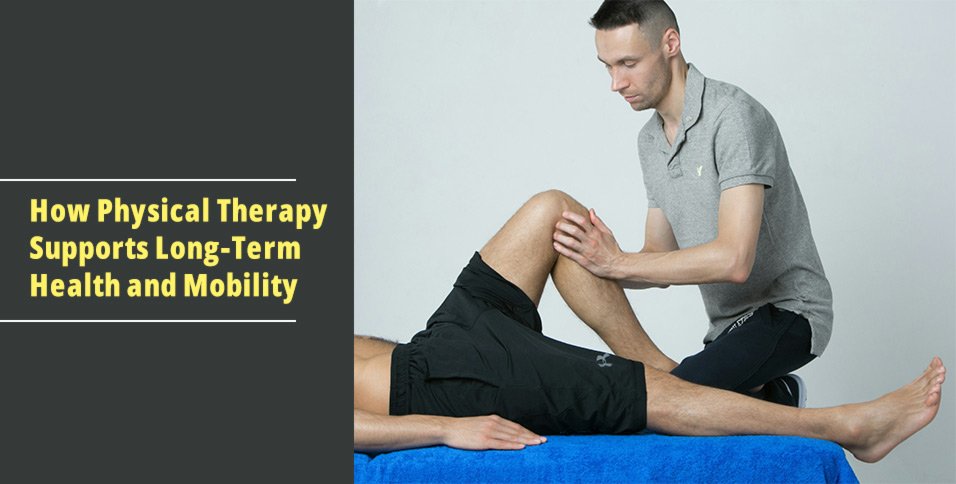
Physical therapy is a healthcare approach that improves movement, restores physical function, and reduces discomfort caused by injuries or medical conditions. Treatment typically involves targeted exercises, manual therapy, and education tailored to individual needs. These techniques help patients address limitations while building the strength and flexibility needed for everyday activities.
Unlike treatments that focus primarily on immediate symptom relief, physical therapy often addresses the underlying factors contributing to movement difficulties. Therapists assess posture, muscle strength, joint mobility, and movement patterns to identify areas requiring attention. This comprehensive approach supports sustainable improvements and reduces the likelihood of recurring physical problems.
Improving Mobility and Everyday Function
Mobility plays a significant role in maintaining independence and participating in daily activities. Simple movements such as walking, climbing stairs, lifting objects, and bending require coordinated muscle and joint function. Physical therapy helps individuals improve these abilities through structured exercises that gradually increase strength, balance, and flexibility.
Patients experiencing stiffness or restricted movement may benefit from personalized stretching and strengthening programs. These exercises encourage healthier joint movement while improving muscle coordination and physical endurance. Over time, consistent participation can make everyday activities more comfortable and help individuals maintain an active lifestyle.
Supporting Recovery and Preventing Future Injuries
Recovery from an injury involves more than letting damaged tissues heal. Muscles may weaken during inactivity, and changes in movement patterns can place extra stress on surrounding joints. Physical therapy addresses these challenges by gradually restoring strength, stability, and functional movement.
Injury prevention is another important benefit of rehabilitation programs. Therapists can identify muscle imbalances, poor movement mechanics, and areas of weakness that may increase injury risk. Through corrective exercises and practical guidance, patients can develop safer movement habits that support long-term physical resilience.
Managing Chronic Pain Through Movement
Chronic pain can interfere with work, exercise, sleep, and other aspects of everyday life. Conditions involving the back, neck, shoulders, and joints may cause individuals to limit their activities because they fear worsening their symptoms. Physical therapy provides a structured approach to improving movement tolerance and managing discomfort without relying exclusively on medication.
Treatment programs may combine therapeutic exercises, mobility training, and education about pain management strategies. Gradually increasing physical activity can help improve muscle function and reduce the limitations associated with certain chronic conditions. Although results vary depending on the underlying condition, consistent rehabilitation can improve functional ability and overall quality of life.
Promoting Healthy Aging and Independence
As individuals age, natural changes in muscle mass, flexibility, and balance can affect physical performance. Reduced strength and coordination may make routine activities more challenging and increase the risk of falls. Physical therapy helps address these changes through exercises designed to maintain mobility, improve stability, and support physical confidence.
Balance training, resistance exercises, and functional movement activities are particularly valuable for older adults. These approaches help strengthen muscles, improve coordination, and maintain the physical abilities required for independent living. Incorporating appropriate movement into daily routines can also support cardiovascular health and encourage continued participation in social and recreational activities.
Encouraging Long-Term Healthy Movement Habits
Successful rehabilitation depends on more than attending scheduled therapy sessions. Patients benefit from understanding how their everyday habits influence posture, joint health, and physical performance. Physical therapists provide guidance on exercise techniques, workplace ergonomics, and activity modifications that can support lasting improvements.
Developing consistent movement habits can help individuals maintain the progress achieved during treatment. Regular physical activity, appropriate stretching, and gradual increases in exercise intensity contribute to better strength and mobility. By applying these principles over time, individuals can take a more active role in protecting their musculoskeletal health.
Conclusion
Physical therapy plays an important role in supporting long-term health, mobility, and independence. Through personalized rehabilitation, injury prevention strategies, and education about healthy movement, individuals can improve physical function and manage limitations that affect their daily lives. Whether addressing chronic discomfort, recovering from an injury, or maintaining strength with age, physical therapy offers a practical approach to improving overall wellbeing. By combining professional guidance with consistent physical activity, individuals can build healthier movement habits and maintain a better quality of life for years to come.