COVID-19 changed life for everyone, practically overnight. It had a massive impact on all areas of life, on a professional and personal level, from the economy to health and education, community relationships, and even the job market.
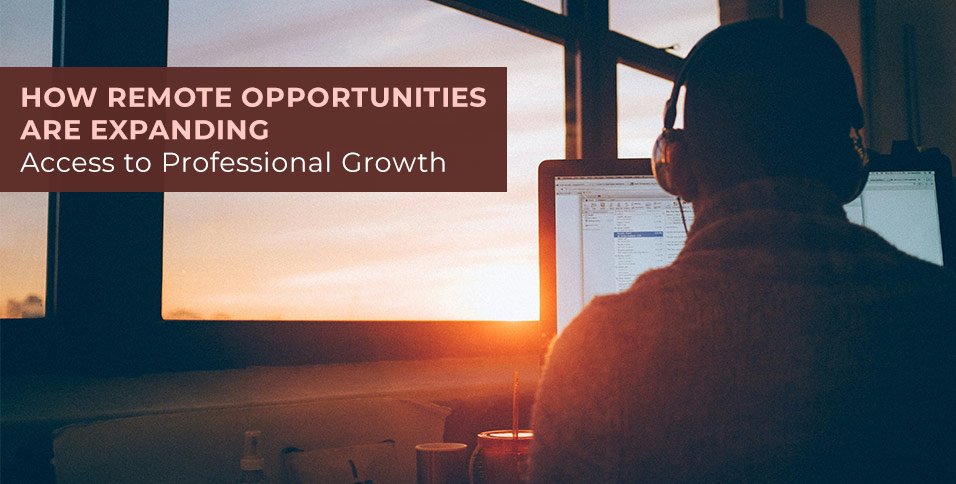
While the pandemic brought about many negative changes, it also pushed the development and adoption of cloud-based communication options. Mandatory social distancing and isolation led to more work-from-home jobs, remote working opportunities, and a rise in online learning.
Statistics reveal that over 7 in 10 schools moved to online learning in early 2020. More than 80% of college students reported having some or all classes moved online. Remote learning has led to more flexibility in the United States’ education system, allowing people to enrol in courses from states away.
The increasing availability of remote learning options, including things like an online MSN – Family Nurse Practitioner pathway, is becoming more accessible. Professionals can now pursue career growth with greater flexibility than ever before, as postgraduate courses can be done remotely.
What is remote learning?
Remote learning, also referred to as online learning or distance education, allows people to study tertiary education from the comfort of their own home. Online learning exists for all levels of study, whether it’s an undergraduate degree, certification, or a master’s.
Common reasons why a professional may enrol in online learning include:
- They can’t take time away from their current workplace to attend classes in-person
- They might have care obligations, such as children or elderly family members
- The program is only offered at institutions that are too far away to attend
The benefits of remote learning
Remote learning is beneficial for a range of reasons and has become popular among professionals who are looking to upskill. Recent statistics reveal that 47% of workers are interested in training at a college or university to either learn new skills or enhance pre-existing ones to advance their career.
Several benefits of pursuing remote learning opportunities for professional growth include:
- Flexibility: One of the leading advantages of remote learning is the flexibility it offers. As you don’t have to commute to the campus and attend classes at a specific date and time, this makes it easier for people with busy schedules. If you’re a working professional, this makes pursuing higher education more accessible.
- Reduced cost: Education can be expensive, especially for a postgraduate degree, like a master’s. Not only are online programs typically cheaper than traditional alternatives, but you also save money on transportation costs and in-person course materials.
- Better accessibility: A major benefit of remote learning is that it opens up course opportunities. Because you’re not restricted by distance, you can enroll in courses from institutions in other states, or even other countries.
What to consider
If you’re considering remote learning as an opportunity to further your professional development, there are a few factors to consider.
You should think about:
- Whether the skills being taught align with your professional goals
- Will the program be recognized by your state and/or employers
- What is the average duration of study for the program
- Are there any reviews/evaluations from students for the program
Employer-provided upskilling
Interest in employer-provided upskilling is growing. In a recent survey consisting of 15,066 adults, 57% of workers were interested in training to learn new skills and pursue career growth. This number rose to 71% if it was employer-provided and free.
Employer-provided upskilling is becoming more common, as it’s beneficial to both the organization and the worker. From a business perspective, it also saves money on recruitment costs, improves employee retention, and increases productivity.
The different educational pathways
For people interested in online learning, it’s important to understand the different educational pathways available. In the U.S., there are four levels of college degrees. These are associate, bachelor’s, master’s, and doctoral. These are covered below alongside certificate programs.
- Certificate programs: A certificate program is great for a busy professional, as they’re usually available through remote learning and offer fast-track training. They’re also shorter than other types of educational pathways, only lasting 3 – 12 months.
- Associate degrees: Associate degrees are between high school diplomas and bachelor’s degrees. They are typically offered at community colleges or technical schools.
- Bachelor’s degrees: A bachelor’s degree typically requires four years of study or 120 credit hours. Bachelor’s qualifications are offered by most colleges across the United States, through traditional campuses and online institutions.
- Master’s degrees: A master’s degree requires the completion of undergraduate education and usually requires 1 to 2 years of study. If you’re a professional looking to advance your career, a master’s degree allows graduates to specialize, allowing for better employment and growth opportunities.
- Doctoral degrees: A doctoral degree is the highest level, requiring years of research and study. The length of the course will depend on what’s being researched. Most occupations don’t require a doctoral degree.
Why you should pursue professional growth
Every field and profession benefits from continuous learning. If you’re a professional looking for personal and professional growth, lifelong learning can bring self-fulfillment, as well as open doors to new opportunities.
Statistics reveal that higher levels of education typically result in higher earnings. Industries with higher training requirements also tend to favor higher education. For many working professionals, the most direct way to pursue professional growth is through study.