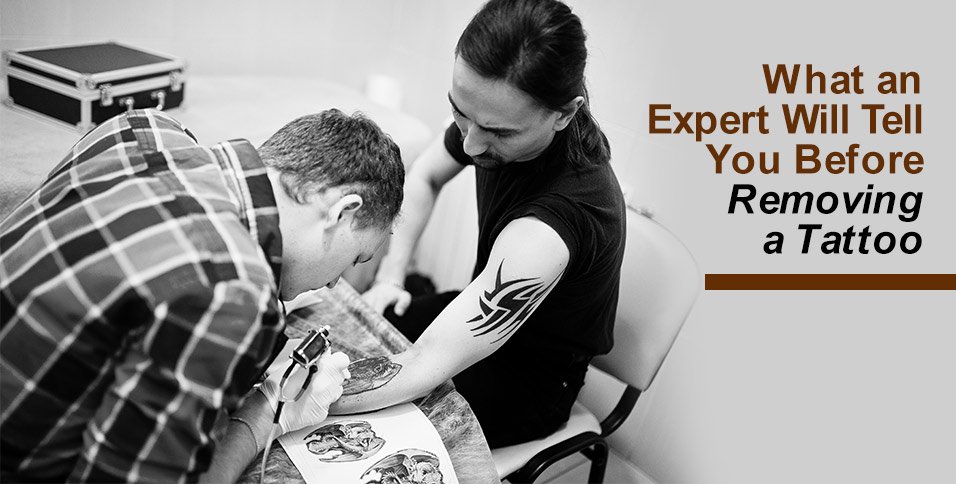
Getting a tattoo removed is a big decision, and it’s not quite as simple as erasing a mistake with the click of a button. Before you commit to the process, there are several important things you need to know. Consulting with a qualified professional can make all the difference in your experience and results, so let’s explore what an expert will tell you before you begin your tattoo removal journey.
The Process Takes Time and Patience
One of the first things any professional will emphasize is that tattoo removal isn’t instant. Unlike getting a tattoo, which happens in one session, removing one requires multiple treatments spread out over several months. Most tattoos need anywhere from six to twelve sessions, though some may require more depending on various factors.
The reason for this extended timeline is that your body needs time to process and eliminate the ink particles between sessions. Treatments are typically spaced six to eight weeks apart to allow your immune system to do its work. Rushing the process won’t give you better results and could actually damage your skin.
Not All Tattoos Respond the Same Way
An expert will assess your specific tattoo before giving you realistic expectations. Black and dark blue inks are generally the easiest to remove because they absorb all laser wavelengths. Lighter colors like yellow, green, and fluorescent shades can be more challenging and may require specialized lasers.
The age of your tattoo also matters. Older tattoos are often easier to remove because the ink has already begun to fade and break down naturally over time. Additionally, the depth of the ink, the quality of the original work, and even your skin tone can all influence how well your tattoo responds to treatment.
Your Skin Type and Health History Matter
Before starting treatment, a qualified practitioner will ask about your medical history and examine your skin carefully. Certain health conditions, medications, and skin types can affect both your eligibility for treatment and your results. For instance, people with darker skin tones need to work with experienced professionals who understand how to adjust laser settings appropriately.
Your immune system plays a crucial role in tattoo removal, as it’s responsible for flushing out the fragmented ink particles. If you have any conditions that affect your immune function, this could impact your results. Smoking, poor nutrition, and inadequate hydration can also slow down the removal process.
Expect Some Discomfort and Aftercare Requirements
Let’s be honest: laser tattoo removal isn’t comfortable. Most people describe the sensation as similar to having hot grease splattered on their skin or being snapped repeatedly with a rubber band. However, professionals can offer numbing options to make the experience more tolerable.
After each session, you’ll need to follow specific aftercare instructions to promote healing and prevent complications. This typically includes keeping the area clean, applying recommended ointments, avoiding sun exposure, and watching for signs of infection. Proper aftercare is essential for achieving the best possible results.
The Cost Can Add Up Significantly
When you’re searching for expert laser tattoo removal in Waterloo, you’ll quickly discover that removing a tattoo often costs more than getting it in the first place. Pricing depends on the size of your tattoo, the number of sessions required, and the complexity of the removal.
Most clinics charge per session, with prices ranging based on the treatment area size. While it might be tempting to choose the cheapest option, remember that experience and proper equipment matter tremendously. Inexperienced practitioners using outdated technology can cause scarring and poor results that are difficult or impossible to correct.
Complete Removal Isn’t Always Guaranteed
An honest expert will tell you upfront that while significant fading is almost always achievable, complete removal isn’t guaranteed for every tattoo. Some ink may remain visible even after multiple treatments, though it’s usually faded enough that it can be covered with makeup or a new tattoo design.
Your individual results depend on multiple factors, including your body’s response to treatment, the characteristics of your tattoo, and how consistently you follow aftercare instructions. Setting realistic expectations from the beginning will help you feel satisfied with your results.
Moving Forward with Confidence
Tattoo removal is a commitment that requires patience, financial investment, and proper care. By consulting with an experienced professional who takes time to evaluate your specific situation and educate you about the process, you’ll be much better prepared for the journey ahead. Ask questions, understand the risks and benefits, and make sure you’re working with someone who prioritizes your safety and satisfaction above all else.