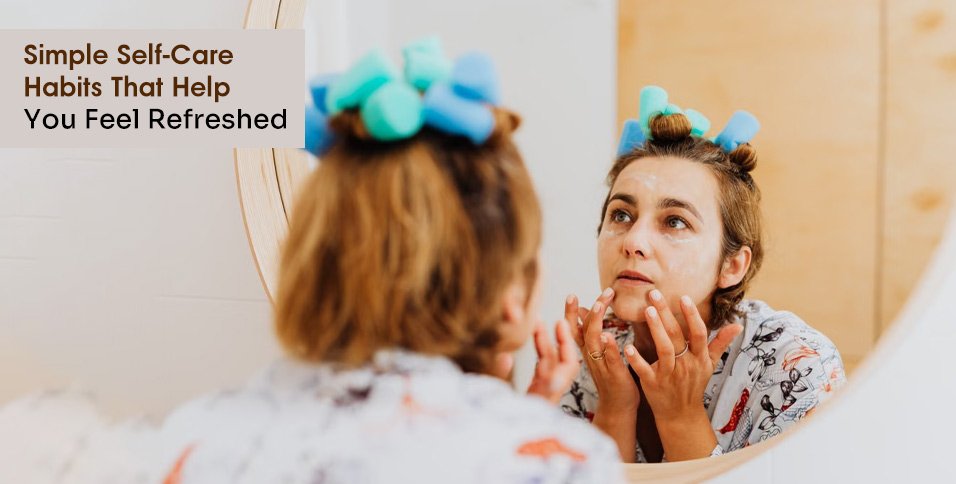
Feeling better about yourself usually doesn’t start with a giant makeover montage and dramatic background music. It often starts with small choices that make your day easier and your mirror a little friendlier. If you live in Lexington or anywhere with busy workweeks and packed calendars, simple self-care habits can make a real difference. The goal isn’t perfection. It feels refreshed, comfortable, and a bit more like yourself when life gets noisy.
Why Small Upgrades Matter
Little changes can do a lot for your confidence. A better sleep routine, more water, or finally dealing with a skin concern you’ve ignored for months can shift how you carry yourself. You’re not changing who you are. You’re just giving yourself better tools.
If you’re looking for a medspa Lexington has plenty of providers offering treatments designed to support healthier-looking skin and a more refreshed appearance without significant downtime. That kind of approach appeals to many people because it fits more easily into everyday life.
The biggest benefit of a small upgrade is that it fits into real life. You can still go to work, run errands, and forget where you left your keys. Self-care works best when it feels doable, not dramatic. Think of it less like a full renovation and more like finally fixing the squeaky door.
Start With Your Routine
Before you look at any treatment or service, take a look at your daily habits. They quietly shape your skin, energy, and mood more than most people realize. If your sleep is all over the place and your water bottle is just decorative, start there.
A solid routine doesn’t need to be fancy. Wash your face gently, use moisturizer, wear sunscreen, and try not to treat stress like it’s a personality trait. That alone can help your skin look calmer and your mornings feel less chaotic.
Food and movement matter too. You don’t need a perfect diet or a heroic gym schedule. A few balanced meals and regular walks can support circulation, energy, and even how your skin looks. Small habits stack up over time.
The nice thing about routine-based self-care is that it gives you a baseline. Once your basics are in place, it becomes easier to tell what’s working, what still bothers you, and whether you want extra support later.
Know What Bothers You
A lot of people say they want to look better, but that idea is often too broad to be helpful. It works better when you get specific. Maybe your skin looks dull. Maybe fine lines bug you. Maybe you just look more tired than you feel, which is a rude little mystery.
When you know what actually bothers you, you can make smarter choices. You stop chasing every trend and focus on what would improve your day-to-day confidence. That might be smoother skin, better texture, or simply feeling more polished with less effort.
It also helps to separate your goals from outside pressure. You don’t need to look like someone filtered within an inch of reality. You just need to feel comfortable in your own face and routine.
Try writing down one or two things you’d like to improve. Keep it simple and realistic. That short list gives you a clearer starting point than vague frustration ever will.
Ask The Right Questions
If you decide to explore a wellness or aesthetic service, don’t walk in with only hope and a vague Pinterest memory. Ask real questions. You want to know what the treatment is meant to do, who it’s best for, and what kind of results are realistic.
A good consultation should feel calm and clear, not pushy. Ask about the provider’s experience, how the process works, and whether there’s downtime. If a treatment could leave you hiding from video calls for three days, that’s useful information.
You should also ask about cost, follow-up care, and how long results usually last. A trustworthy provider won’t act weird about basic questions. In fact, clear answers are often a sign that you’re in the right place.
It’s smart to ask what happens if the treatment isn’t the best fit. Sometimes the most helpful advice is hearing, “You don’t need that.” Honest guidance can save you money, time, and a lot of unnecessary stress.
Choose Realistic Changes
The best self-care choices usually look natural in your real life. If a change helps you feel fresher, more confident, and still like yourself, that’s a win. You don’t need dramatic results for something to be worthwhile.
Subtle improvements often age better too. They tend to work with your features instead of fighting them. That matters because confidence usually grows from feeling comfortable, not from shocking everyone at brunch.
Think about your schedule, budget, and tolerance for upkeep. Some people love regular appointments and detailed routines. Others want low-maintenance options they can fit in between work, family, and remembering to defrost dinner.
There’s also nothing wrong with taking your time. You can try one change, see how it feels, and decide later whether you want more. Slow and steady may not sound glamorous, but it usually leads to decisions you’re happier with.
Build Confidence Gradually
Confidence rarely appears overnight. It usually builds in layers, through habits, choices, and little moments where you realize you feel more like yourself again. That’s why gradual self-care tends to last longer than quick fixes.
Pay attention to what improves your daily life. Maybe your skin feels smoother, your routine feels easier, or you spend less time worrying about one feature that used to bug you. Those quiet wins count.
It helps to take progress photos or notes, especially if your changes are subtle. Day to day, you might not notice much. Over a few months, though, the difference can be easier to see. Tiny steps can still get you somewhere good.
Most of all, be kind to yourself while you figure out what works. Self-care isn’t about becoming a brand-new person. It’s about supporting the person who already has enough going on. If a few practical changes help you feel refreshed, that’s more than enough reason to make them.